How to Buy New Construction in Temple, TX Without Getting Burned
Taylor Dasch is a real estate agent at EG Realty in Temple, Texas. The friendly person at the model home is the builder’s sales representative — paid by the builder, working for the builder. This is the data on the market and the 17 questions to ask before you register, sign in, or fall for a payment quote.
Do you need your own agent to buy new construction in Temple, TX?
For most buyers, yes — and it usually costs you nothing. The person greeting you at the model home is the builder’s sales representative: paid by the builder and representing the builder’s interest, not yours. Having your own agent registered before your first visit means someone is reading the contract, the warranty, and the incentive fine print on your side of the table. Most builders pay the buyer’s-agent commission, so the structure rarely adds to your cost. Temple has roughly 324 active new-construction listings at a median list of about $305,400 (active inventory snapshot, 2026-W25, snapshots/2026-W25.json) — that competing inventory is exactly why builders advertise incentives and why a represented buyer has leverage.
- Who the model-home rep works for: the builder — not you. Register your own agent before the first visit.
- Cost of representation: most Temple/Belton builders pay the buyer’s-agent commission — typically no added cost to you.
- Inventory leverage: ~324 active new-construction listings in Temple, median list ~$305,400 (snapshots/2026-W25.json, directional snapshot).
- Belton, for comparison: ~147 active new-construction listings (snapshots/2026-W25.json).
- Incentives are common but not uniform: roughly 1 in 8 active Temple listings advertises a builder incentive (june-18 + june-23 MLS remarks heuristic — qualitative).
- The lead magnet: a 17-question Pre-Visit Checklist built from real Temple builder contracts — item one is registering your representation.
The model-home rep is good at their job — and their job isn’t you
New construction in Temple looks simple until you’re sitting across from a builder’s sales rep who works for the builder, not for you. That’s not a scandal. It’s just the structure — and the fix is having someone on your side of the table.
The rep is professional, helpful, and genuinely good at what they do. What they do is sell the builder’s homes at the builder’s terms. Your job is buying the right one at the right price, with a contract and warranty that protect you. Those two jobs are not the same job. When the only person in the room is paid by the seller, the fine print tends to read in the seller’s favor — and most buyers don’t find out until closing, escrow reset, or a warranty dispute.
Here’s the part that surprises people: bringing your own agent in usually costs you nothing. Most Temple and Belton builders pay the buyer’s-agent commission as a standard line in their budget. So the real question isn’t “can I afford representation” — it’s “why would I walk into the biggest purchase of my year with no one reading the contract for me.” The catch is timing. Some builders treat an unregistered first visit as “you don’t have an agent,” which can complicate representation later. That’s why registering your agent up front is literally item one on the checklist below.
Buyers miss this
Incentives are negotiable. Lot premiums are negotiable. Design-center allowances are negotiable. The rep won’t volunteer that — their job is to protect the builder’s margin. A represented buyer asks for all three in writing; an unrepresented buyer usually doesn’t know they’re on the table.
What you’re paying for the “new” — the new-build premium, measured
New construction carries a premium over resale. That’s normal — you’re buying a warranty, fresh finishes, and a lot no one has lived on. The checklist is about making sure the premium buys you something real, not just a 2026 sticker.
Sources: new-build median list $305,400 — Temple, active inventory snapshot, snapshots/2026-W25.json (MED confidence, directional). Median closed resale $274,315 — Temple, 3-month, june-18-mls-data.csv (HIGH confidence). New-build list is an asking-price snapshot, not a settled sale price. Verify current numbers before you write an offer.
The payment trap
That advertised payment is often built on a temporary rate buydown tied to the builder’s preferred lender. Ask for the permanent payment after the buydown period — and compare the builder’s Loan Estimate against one outside lender. A 2-1 buydown can make year one look great and year three look very different.
What Temple and Belton new construction actually looks like in 2026
Numbers first, interpretation second. Every figure below cites its source — and the inventory snapshots are directional reads, not settled sale prices.
Temple has roughly 324 active new-construction listings at a median list of about $305,400 (active inventory snapshot, 2026-W25, snapshots/2026-W25.json). Belton runs about 147 active new-construction listings from the same source. That’s a lot of competing inventory in one corridor — which is exactly why builders compete on incentives instead of just price.
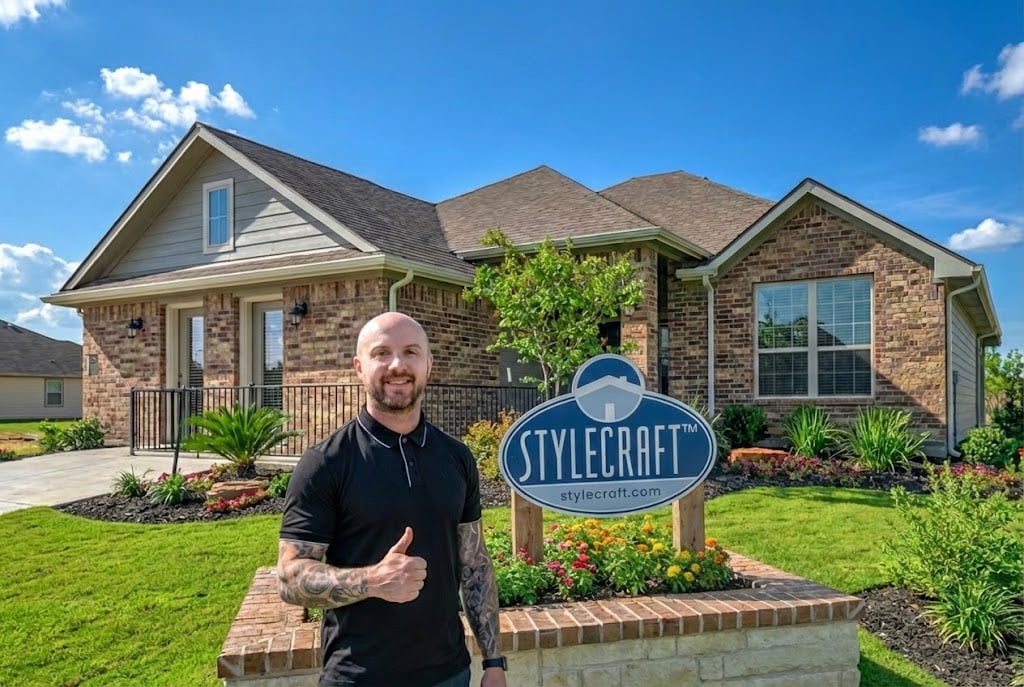
The most active builders by name in the Temple data are DR Horton, Carothers, and Stylecraft (Temple, june-18-mls-data.csv). Different builders, different warranties, different incentive playbooks — which is the whole reason you compare them on your terms, not theirs. And across the broader Temple market, the median days on market is 72 days (Temple, june-18-mls-data.csv) — a spec home that’s been sitting is a home with negotiating room.
| Metric | Value | Geography & source | Confidence |
|---|---|---|---|
| Active new-construction listings | ~324 | Temple · snapshots/2026-W25.json | Snapshot (directional) |
| Median new-build list price | ~$305,400 | Temple · snapshots/2026-W25.json | Snapshot (directional) |
| Active new-construction listings | ~147 | Belton · snapshots/2026-W25.json | Snapshot (directional) |
| Median closed resale price | $274,315 | Temple · june-18-mls-data.csv (3-mo) | High (cross-validated) |
| Listings advertising an incentive | ~1 in 8 (≈13%) | Temple · june-18 + june-23 remarks heuristic | Qualitative read |
| Most active builders by name | DR Horton · Carothers · Stylecraft | Temple · june-18-mls-data.csv | Directional |
| Median days on market | 72 days | Temple · june-18-mls-data.csv | High |
New-construction-specific days-on-market and sale-to-list percentage are not stated here — those require a fresh new-build-filtered MLS export, and we won’t claim them until that’s pulled. Inventory figures are active-listing snapshots, not settled prices.
The Pre-Visit Checklist: 17 questions to ask before you sign in
Built from real Temple builder contracts. Here are a few of the 17 — the full checklist is a free, instant download below.
Is my agent registered before I sign in?
The single most expensive box buyers forget. Register your representation before the first visit, not after.
What’s the permanent payment after the buydown?
Get year one, year two, and the permanent payment in writing — not just the teaser rate on the sign.
Is the incentive tied to the preferred lender?
Ask whether you can compare the builder’s Loan Estimate against one outside lender without losing the incentive.
What are the exact taxing units on this lot?
City, county, ISD — plus any MUD or PID. The lot-level total, not the community average, sets your real payment.
Can I bring a third-party inspector — and when?
Pre-pour, pre-drywall, final walkthrough, 11-month warranty window. Confirm access and timing in writing.
What’s included vs. optional at this base price?
The model home is fully upgraded. Get the line between base spec and design-center add-ons before you fall for a finish.
Why the tax line and the buydown matter more than the sticker
Two new homes at the same price can carry very different monthly costs. The sticker is the easy number. The payment is the real one.
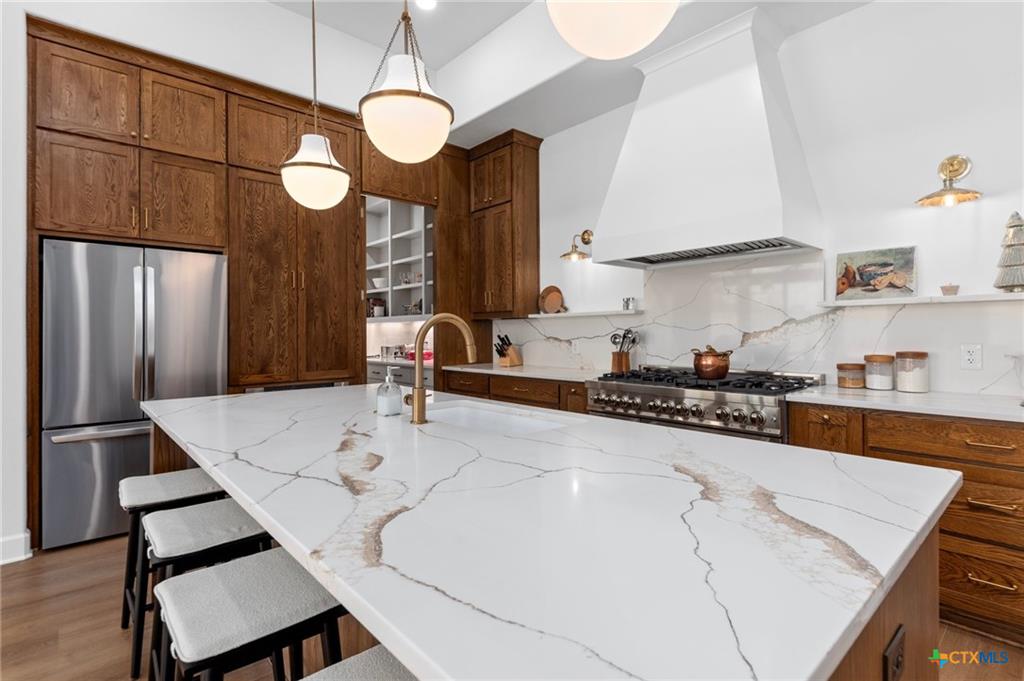
Most new construction in Temple sits in newer subdivisions, and many carry a MUD (Municipal Utility District) or PID (Public Improvement District) assessment layered on top of the base tax rate to pay for the roads, water, and infrastructure that made the subdivision possible. Two near-identical homes one street apart can have very different monthly costs because of it. Always get the exact total tax rate, including any MUD/PID, for the specific lot — not the community average.
The second lever is financing. A builder’s advertised payment is frequently built on a temporary rate buydown through their preferred lender. That’s not automatically a bad deal — but you should know the permanent payment after the buydown expires, who pays the discount points, and how the builder’s Loan Estimate compares to one from an outside lender. The incentive is real money; so is the long-term rate.
Buyers miss this
With 72 days median time on market in Temple (june-18-mls-data.csv), a spec home that’s been standing finished is a home the builder wants off the books. Quarter-end and a sitting completed inventory home are two of the strongest negotiating windows in new construction — and a represented buyer knows to ask for the days-on-market before talking price.
Closings, builders, and inventory — the ground truth
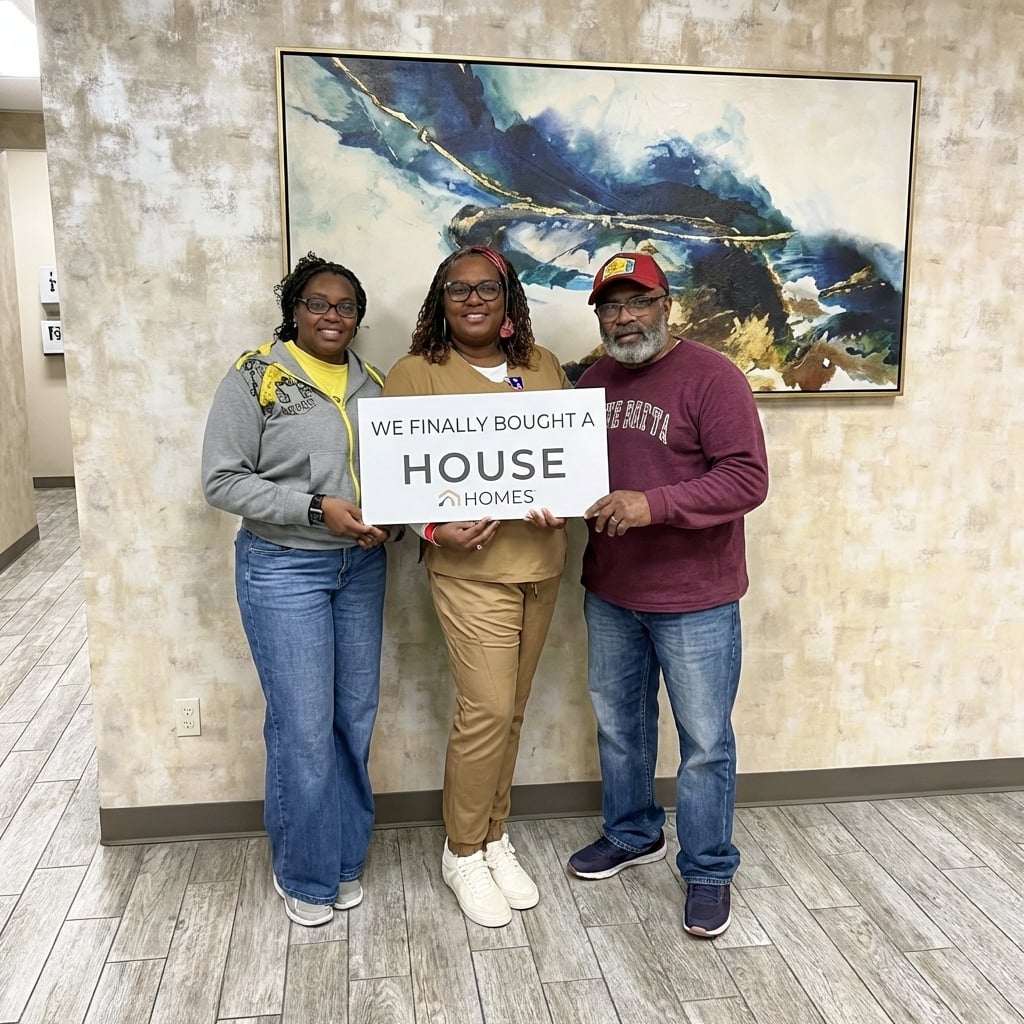
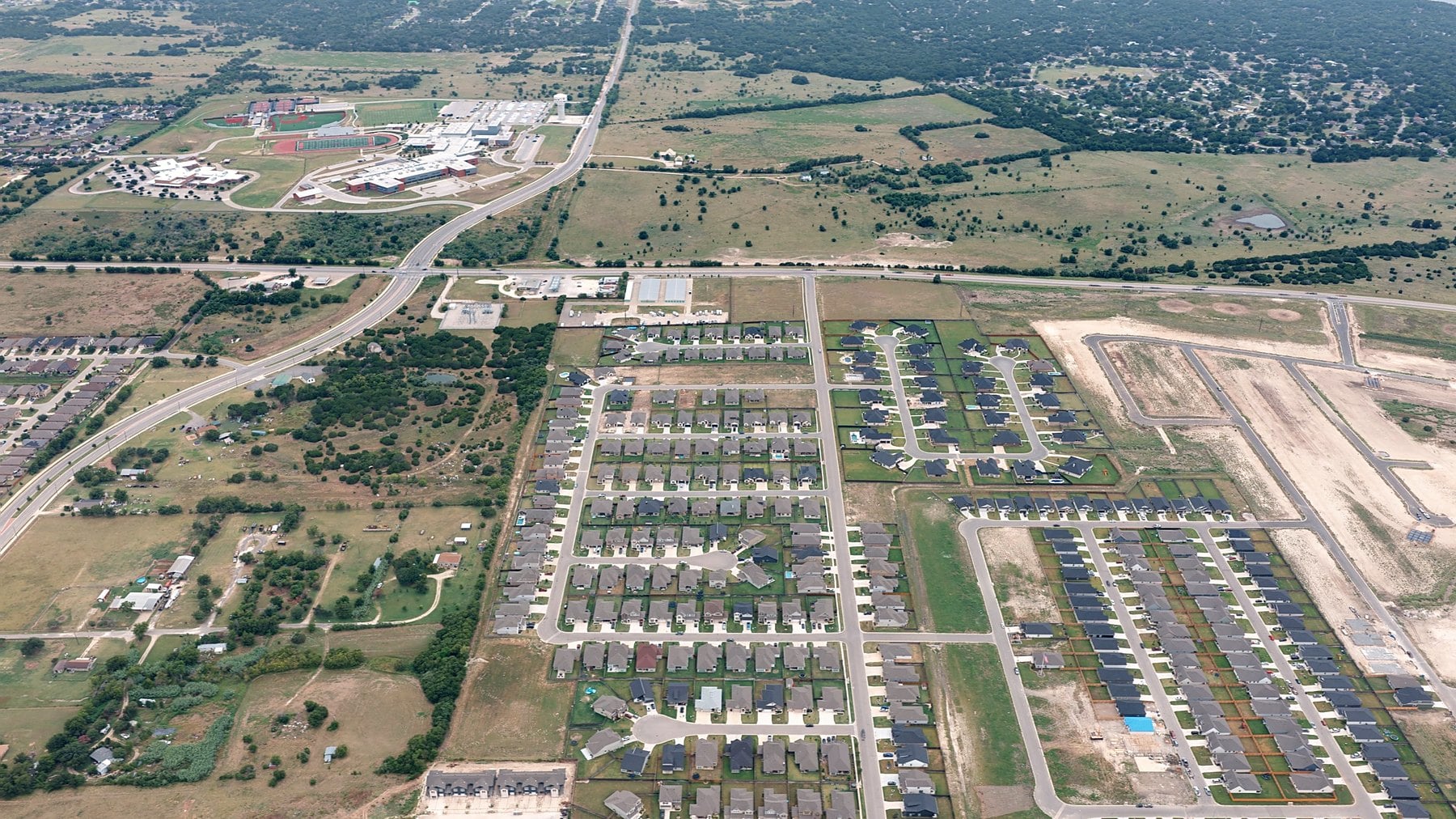
Not stock photography. Real Temple new-build product and a real represented closing.
Want to see what’s actually on the market?
This page is the decision and due-diligence guide — how to buy new construction without getting burned. If you’re earlier in the process and just want to browse what’s available, the inventory page is the place to start. Then come back here before you visit a builder.
See active Temple new-construction listings →If you’ve already visited, don’t assume it’s too late
What happens next depends on what was documented. Sort it before you assume anything.
| Where you are | What it usually means | The move |
|---|---|---|
| Browsed online only | No registration event yet — representation is still fully open. | Get your agent registered before you submit any form or book a tour. |
| Submitted a form / email | The builder may have a record, but it’s often still recoverable. | Save screenshots and ask whether buyer-agent registration is still available. |
| Signed in onsite | A sign-in sheet is the most common snag — but not always fatal. | Send the builder, community, date, and what you signed; the path depends on the documentation. |
Every builder’s registration policy is different, and timing matters. None of this is legal advice — it’s how representation typically gets sorted in Bell County new construction.
Score them side by side
DR Horton, Carothers, and Stylecraft each have a different warranty, a different incentive playbook, and a different standard-vs-upgrade line. The Temple/Belton Builder Scorecard lets you grade them on the same criteria — incentive terms, lender requirement, inspection access, warranty path, and total payment — so the comparison is yours, not the rep’s.

“I’m not anti-builder. I’m anti-walking-in-with-no-one-on-your-side. The rep is doing their job. The question is whether anyone’s doing yours.”
Here’s what the numbers don’t show you. I read the same MLS the builders read, and I’m neutral across DR Horton, Carothers, and Stylecraft — I don’t get paid more if you pick one over another, which is exactly why my read is worth more than the rep’s. What I watch for is the gap between the advertised payment and the permanent one. A 2-1 buydown can make a payment look like a steal in year one and then reset hard. I’d rather you know that in the model home than at your second escrow analysis.
The other thing I’d tell a friend: the finished spec home that’s been sitting is your friend. When a completed home has been on the market a while in a market with a 72-day median, that builder is carrying it on their books and paying interest on it. That’s where the real concessions live — closing-cost credits, design-center allowances, a price that moves. The brand-new release with a line out the door is where buyers overpay.
If you’re touring this week, get the checklist first and register me with you up front — that’s the move that keeps your representation and usually costs you nothing. See what’s actually on the market → Then let’s run your real numbers before you sign anything.