



The Temple market isn't crashing. It's splitting in half.
About 54% of active Temple listings had at least one price cut in the May 14, 2026 MLS pull — but homes that actually closed in the prior 30 days still sold at a median of 96.2% of original list price. Buyers have real leverage on aging and overpriced inventory. Clean homes under $350K still move fast. Here's how to tell which pool you're buying in.

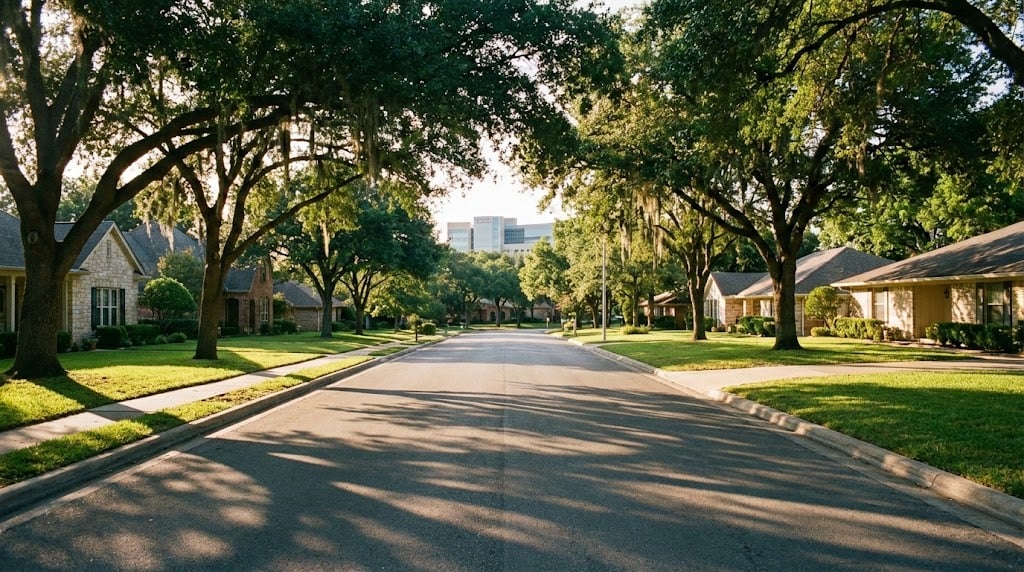
The market is not crashing. It is splitting.
About 54% of active Temple listings cut price in the May 14, 2026 MLS pull, but closed homes still sold at a median of 96.2% of original ask. Buyers have leverage on overpriced or aging listings — but clean, correctly priced homes under roughly $350,000 can still move fast.
The headline stat will get reposted out of context for weeks. The useful one almost never gets reposted at all. Below, both — plus a way to read the difference before you write your first offer.
The five-minute version, on video.
Same data, faster. If you only have time for one thing on this page, this is it.
The five numbers buyers need to know.
The headline number is the price-cut rate. The useful number is the gap between list price and sold price. Everything else on this page is interpretation of those two.
When the median active list price ($285,900) is sitting almost directly on top of the median recent sold price ($286,990), it means the working market is still functioning. Sellers who overshot are correcting. Homes that started closer to reality are still closing.
Why so many listings are cutting.
A price cut does not automatically mean a desperate seller. In Temple right now, most reductions come from one of three situations stacked on top of each other.
- A seller listed too high in February, March, or April.
- The home sat long enough for the market to reject the price.
- The seller corrected toward the number buyers were already willing to pay.
That is not panic. That is price discovery. The mistake buyers make is treating every price cut the same. A $15,000 reduction on an overpriced luxury home is a different conversation than a small correction on a clean sub-$350K house near Baylor Scott & White. Read the home before you read the drop.
One market. Two pools.
Of 859 active Temple listings on May 14, 2026, here is how they break down — and where each pool gives a buyer (or doesn't give a buyer) leverage.
Aging, overpriced, or off-profile.
These listings have already told you the price wasn't right. Your offer is anchored to recent closed comps, not the seller's original expectation. Look hardest at:
- Homes over 40 days on market
- Priced above the median buyer comfort zone
- Awkward layouts, older finishes, unusual lots
- Higher-end resale that needs a specific buyer
- New construction with builder standing inventory
Clean, financeable, sub-$350K.
The practical buyer lane. First-time buyers, BSW medical relocations, manageable commute. In this segment, the good ones are obvious — and lowballing usually loses. Your edge is:
- Clean terms (no waivable contingencies stacked)
- Pre-approval already underwritten, not just rate-locked
- Showing prep — be ready to move in 48 hours
- Speed of response, not size of price reduction
If you're a first-time buyer, your leverage starts after day 40.
Don't build your strategy around the homes everyone wants on day one. Median active DOM is 63 days. Mean is 106. That long tail is where prepared buyers create deals.
The aging curve, and where you fish.
Crowded. Fresh listings, first showings, multiple offers possible on clean stock.
Strong offers, clean terms. Lowballs lose. Best for buyers who can move fast and don't need price negotiation room.
Where a prepared buyer creates a deal without chasing every new listing.
Still in budget, sitting longer than expected, slightly off the most crowded price band, good structurally but imperfect cosmetically.
A good target is a home that is:
- Still within your budget
- Sitting longer than expected (40+ days)
- Slightly above the most crowded price band
- Good enough structurally, but imperfect cosmetically
- Being skipped because it doesn't photograph well or needs explanation
If you're a BSW resident or a Fort Hood family — ignore the headline.
Two audiences with hard deadlines and tight segments. The market-wide average doesn't describe what you're actually shopping for.
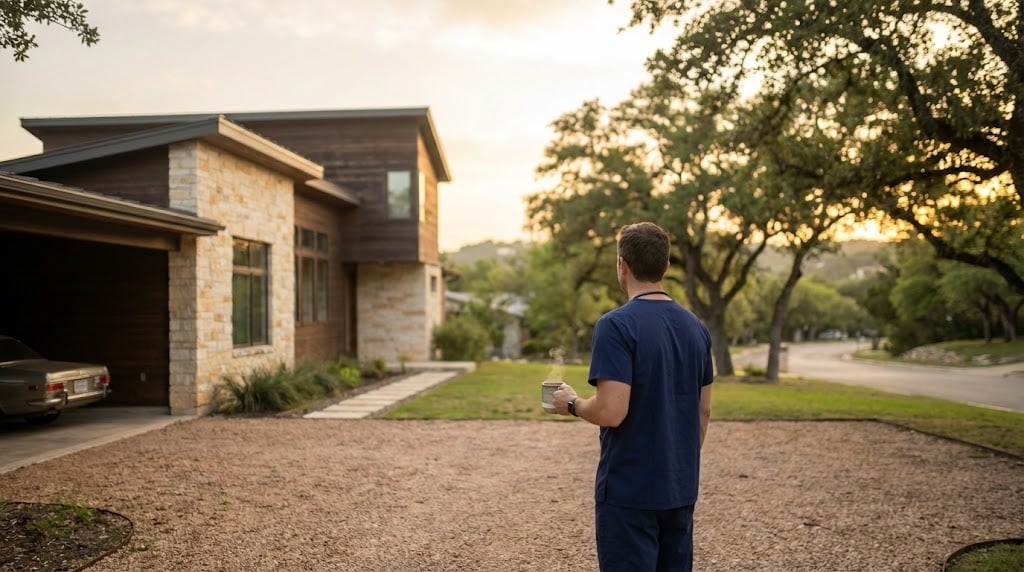 BSW Corridor · Temple TX
Clean 3-bed, manageable commute, no surprises before orientation.
If you're moving to Temple for Baylor Scott & White and still need housing for June or early summer, your segment is tighter than the market headline suggests. The playbook:
 Fort Hood PCS · Summer 2026
The deadline is earlier than most people think.
If you need to be settled before school starts in August, you probably want to be under contract by early to mid June. The risk isn't just finding a house — it's inspection, appraisal, repairs, underwriting, moving, and school registration all hitting at once.
If you don't have a hard deadline, time is your edge.
You don't need to chase every new listing. You can watch neighborhoods, compare pricing patterns, and wait for the right kind of seller. A smarter relocator plan:
- Pick 4–6 neighborhoods or zones you would actually live in.
- Track new listings and price cuts weekly.
- Compare homes by monthly payment, not just list price.
- Decide which tradeoff matters most: commute, school zone, newer home, lot size, or price.
- Move fast only when the right property appears.
Useful starting points: all Temple homes for sale, the West Temple neighborhood guide, and best neighborhoods in Temple.
Three things that could change this whole picture.
The May 14 snapshot describes today, not July. Three variables are most likely to move it.
Interest rates.
If rates move up, buyer demand cools and price cuts spread further. If rates drop, sidelined buyers can re-enter the competitive pool fast, and the sub-$350K segment tightens before sellers update list prices.
Builder incentives.
Builders can change the effective price without lowering the list price. Closing-cost credits, rate buy-downs, and appliance packages can matter more than a visible $15K cut on a resale. Compare net, not headline.
New construction inventory.
If builders add too much inventory at once, resale sellers lose leverage and concession spreads widen. If builders stay disciplined, resale homes remain competitive and the 96.2% sale-to-list holds.
The right question isn't "is Temple a buyer's market?"
The better question is which pool am I buying in. Temple in May 2026 is giving buyers more room than it did during the hottest market years, but it is not a free-for-all. The price-cut number is real. The buyer leverage is real. But the best homes are not sitting around waiting for weak offers.
If you want help figuring out which pool your search falls into, start with the numbers instead of the headline. Pick the lane below that fits you and start there — or book a 15-minute Temple buyer strategy call.

Which pool are you buying in?
Five buyer types. Five different playbooks. Tap whichever one is closest — Taylor will start there.
BSW Resident or Physician
Clean 3-bed, commute to BSW, ready before orientation.
Open the BSW playbook →Lane 02Fort Hood Family
Under contract early–mid June if school starts in August.
See the timeline →Lane 03First-time Buyer · sub-$350K
Competitive pool. Be sharp. Use the 40-day rule.
Browse the lane →Lane 04Relocator · no hard deadline
Time is your edge. Pick 4–6 zones, watch weekly.
Compare neighborhoods →Lane 05Investor or aged-listing hunter
Leverage pool. 40+ DOM, off-profile, higher-end resale.
Talk to Taylor →Questions buyers ask before writing the offer.
Direct answers. Tied to the May 14, 2026 MLS pull. No hedging.
What percentage of Temple TX listings cut price in May 2026?
Is Temple TX a buyer's market in May 2026?
What is the median home price in Temple TX right now?
Should I lowball homes in Temple right now?
When should Fort Hood buyers be under contract?
Taylor Dasch. EG Realty. Temple, TX.
Temple, TX real estate agent helping buyers, sellers, BSW relocations, Fort Hood families, and investors make data-backed decisions in Bell County. Active investor first, agent second.
The Temple market isn't crashing. It's splitting in half.
About 54% of active Temple listings had at least one price cut in the May 14, 2026 MLS pull — but homes that actually closed in the prior 30 days still sold at a median of 96.2% of original list price. Buyers have real leverage on aging and overpriced inventory. Clean homes under $350K still move fast. Here's how to tell which pool you're buying in.

The market is not crashing. It is splitting.
About 54% of active Temple listings cut price in the May 14, 2026 MLS pull, but closed homes still sold at a median of 96.2% of original ask. Buyers have leverage on overpriced or aging listings — but clean, correctly priced homes under roughly $350,000 can still move fast.
The headline stat will get reposted out of context for weeks. The useful one almost never gets reposted at all. Below, both — plus a way to read the difference before you write your first offer.
The five-minute version, on video.
Same data, faster. If you only have time for one thing on this page, this is it.
The five numbers buyers need to know.
The headline number is the price-cut rate. The useful number is the gap between list price and sold price. Everything else on this page is interpretation of those two.
When the median active list price ($285,900) is sitting almost directly on top of the median recent sold price ($286,990), it means the working market is still functioning. Sellers who overshot are correcting. Homes that started closer to reality are still closing.
Why so many listings are cutting.
A price cut does not automatically mean a desperate seller. In Temple right now, most reductions come from one of three situations stacked on top of each other.
- A seller listed too high in February, March, or April.
- The home sat long enough for the market to reject the price.
- The seller corrected toward the number buyers were already willing to pay.
That is not panic. That is price discovery. The mistake buyers make is treating every price cut the same. A $15,000 reduction on an overpriced luxury home is a different conversation than a small correction on a clean sub-$350K house near Baylor Scott & White. Read the home before you read the drop.
One market. Two pools.
Of 859 active Temple listings on May 14, 2026, here is how they break down — and where each pool gives a buyer (or doesn't give a buyer) leverage.
Aging, overpriced, or off-profile.
These listings have already told you the price wasn't right. Your offer is anchored to recent closed comps, not the seller's original expectation. Look hardest at:
- Homes over 40 days on market
- Priced above the median buyer comfort zone
- Awkward layouts, older finishes, unusual lots
- Higher-end resale that needs a specific buyer
- New construction with builder standing inventory
Clean, financeable, sub-$350K.
The practical buyer lane. First-time buyers, BSW medical relocations, manageable commute. In this segment, the good ones are obvious — and lowballing usually loses. Your edge is:
- Clean terms (no waivable contingencies stacked)
- Pre-approval already underwritten, not just rate-locked
- Showing prep — be ready to move in 48 hours
- Speed of response, not size of price reduction
If you're a first-time buyer, your leverage starts after day 40.
Don't build your strategy around the homes everyone wants on day one. Median active DOM is 63 days. Mean is 106. That long tail is where prepared buyers create deals.
The aging curve, and where you fish.
Crowded. Fresh listings, first showings, multiple offers possible on clean stock.
Strong offers, clean terms. Lowballs lose. Best for buyers who can move fast and don't need price negotiation room.
Where a prepared buyer creates a deal without chasing every new listing.
Still in budget, sitting longer than expected, slightly off the most crowded price band, good structurally but imperfect cosmetically.
A good target is a home that is:
- Still within your budget
- Sitting longer than expected (40+ days)
- Slightly above the most crowded price band
- Good enough structurally, but imperfect cosmetically
- Being skipped because it doesn't photograph well or needs explanation
If you're a BSW resident or a Fort Hood family — ignore the headline.
Two audiences with hard deadlines and tight segments. The market-wide average doesn't describe what you're actually shopping for.
BSW Corridor · Temple TXClean 3-bed, manageable commute, no surprises before orientation.
If you're moving to Temple for Baylor Scott & White and still need housing for June or early summer, your segment is tighter than the market headline suggests. The playbook:
Fort Hood PCS · Summer 2026The deadline is earlier than most people think.
If you need to be settled before school starts in August, you probably want to be under contract by early to mid June. The risk isn't just finding a house — it's inspection, appraisal, repairs, underwriting, moving, and school registration all hitting at once.
If you don't have a hard deadline, time is your edge.
You don't need to chase every new listing. You can watch neighborhoods, compare pricing patterns, and wait for the right kind of seller. A smarter relocator plan:
- Pick 4–6 neighborhoods or zones you would actually live in.
- Track new listings and price cuts weekly.
- Compare homes by monthly payment, not just list price.
- Decide which tradeoff matters most: commute, school zone, newer home, lot size, or price.
- Move fast only when the right property appears.
Useful starting points: all Temple homes for sale, the West Temple neighborhood guide, and best neighborhoods in Temple.
Three things that could change this whole picture.
The May 14 snapshot describes today, not July. Three variables are most likely to move it.
Interest rates.
If rates move up, buyer demand cools and price cuts spread further. If rates drop, sidelined buyers can re-enter the competitive pool fast, and the sub-$350K segment tightens before sellers update list prices.
Builder incentives.
Builders can change the effective price without lowering the list price. Closing-cost credits, rate buy-downs, and appliance packages can matter more than a visible $15K cut on a resale. Compare net, not headline.
New construction inventory.
If builders add too much inventory at once, resale sellers lose leverage and concession spreads widen. If builders stay disciplined, resale homes remain competitive and the 96.2% sale-to-list holds.
The right question isn't "is Temple a buyer's market?"
The better question is which pool am I buying in. Temple in May 2026 is giving buyers more room than it did during the hottest market years, but it is not a free-for-all. The price-cut number is real. The buyer leverage is real. But the best homes are not sitting around waiting for weak offers.
If you want help figuring out which pool your search falls into, start with the numbers instead of the headline. Pick the lane below that fits you and start there — or book a 15-minute Temple buyer strategy call.
Which pool are you buying in?
Five buyer types. Five different playbooks. Tap whichever one is closest — Taylor will start there.
BSW Resident or Physician
Clean 3-bed, commute to BSW, ready before orientation.
Open the BSW playbook →Lane 02Fort Hood Family
Under contract early–mid June if school starts in August.
See the timeline →Lane 03First-time Buyer · sub-$350K
Competitive pool. Be sharp. Use the 40-day rule.
Browse the lane →Lane 04Relocator · no hard deadline
Time is your edge. Pick 4–6 zones, watch weekly.
Compare neighborhoods →Lane 05Investor or aged-listing hunter
Leverage pool. 40+ DOM, off-profile, higher-end resale.
Talk to Taylor →Questions buyers ask before writing the offer.
Direct answers. Tied to the May 14, 2026 MLS pull. No hedging.
What percentage of Temple TX listings cut price in May 2026?
Is Temple TX a buyer's market in May 2026?
What is the median home price in Temple TX right now?
Should I lowball homes in Temple right now?
When should Fort Hood buyers be under contract?
Taylor Dasch. EG Realty. Temple, TX.
Temple, TX real estate agent helping buyers, sellers, BSW relocations, Fort Hood families, and investors make data-backed decisions in Bell County. Active investor first, agent second.
The Temple market isn't crashing. It's splitting in half.
About 54% of active Temple listings had at least one price cut in the May 14, 2026 MLS pull — but homes that actually closed in the prior 30 days still sold at a median of 96.2% of original list price. Buyers have real leverage on aging and overpriced inventory. Clean homes under $350K still move fast. Here's how to tell which pool you're buying in.
The market is not crashing. It is splitting.
About 54% of active Temple listings cut price in the May 14, 2026 MLS pull, but closed homes still sold at a median of 96.2% of original ask. Buyers have leverage on overpriced or aging listings — but clean, correctly priced homes under roughly $350,000 can still move fast.
The headline stat will get reposted out of context for weeks. The useful one almost never gets reposted at all. Below, both — plus a way to read the difference before you write your first offer.
The five-minute version, on video.
Same data, faster. If you only have time for one thing on this page, this is it.
The five numbers buyers need to know.
The headline number is the price-cut rate. The useful number is the gap between list price and sold price. Everything else on this page is interpretation of those two.
When the median active list price ($285,900) is sitting almost directly on top of the median recent sold price ($286,990), it means the working market is still functioning. Sellers who overshot are correcting. Homes that started closer to reality are still closing.
Why so many listings are cutting.
A price cut does not automatically mean a desperate seller. In Temple right now, most reductions come from one of three situations stacked on top of each other.
- A seller listed too high in February, March, or April.
- The home sat long enough for the market to reject the price.
- The seller corrected toward the number buyers were already willing to pay.
That is not panic. That is price discovery. The mistake buyers make is treating every price cut the same. A $15,000 reduction on an overpriced luxury home is a different conversation than a small correction on a clean sub-$350K house near Baylor Scott & White. Read the home before you read the drop.
One market. Two pools.
Of 859 active Temple listings on May 14, 2026, here is how they break down — and where each pool gives a buyer (or doesn't give a buyer) leverage.
Aging, overpriced, or off-profile.
These listings have already told you the price wasn't right. Your offer is anchored to recent closed comps, not the seller's original expectation. Look hardest at:
- Homes over 40 days on market
- Priced above the median buyer comfort zone
- Awkward layouts, older finishes, unusual lots
- Higher-end resale that needs a specific buyer
- New construction with builder standing inventory
Clean, financeable, sub-$350K.
The practical buyer lane. First-time buyers, BSW medical relocations, manageable commute. In this segment, the good ones are obvious — and lowballing usually loses. Your edge is:
- Clean terms (no waivable contingencies stacked)
- Pre-approval already underwritten, not just rate-locked
- Showing prep — be ready to move in 48 hours
- Speed of response, not size of price reduction
If you're a first-time buyer, your leverage starts after day 40.
Don't build your strategy around the homes everyone wants on day one. Median active DOM is 63 days. Mean is 106. That long tail is where prepared buyers create deals.
The aging curve, and where you fish.
Crowded. Fresh listings, first showings, multiple offers possible on clean stock.
Strong offers, clean terms. Lowballs lose. Best for buyers who can move fast and don't need price negotiation room.
Where a prepared buyer creates a deal without chasing every new listing.
Still in budget, sitting longer than expected, slightly off the most crowded price band, good structurally but imperfect cosmetically.
A good target is a home that is:
- Still within your budget
- Sitting longer than expected (40+ days)
- Slightly above the most crowded price band
- Good enough structurally, but imperfect cosmetically
- Being skipped because it doesn't photograph well or needs explanation
If you're a BSW resident or a Fort Hood family — ignore the headline.
Two audiences with hard deadlines and tight segments. The market-wide average doesn't describe what you're actually shopping for.
BSW Corridor · Temple TXClean 3-bed, manageable commute, no surprises before orientation.
If you're moving to Temple for Baylor Scott & White and still need housing for June or early summer, your segment is tighter than the market headline suggests. The playbook:
Fort Hood PCS · Summer 2026The deadline is earlier than most people think.
If you need to be settled before school starts in August, you probably want to be under contract by early to mid June. The risk isn't just finding a house — it's inspection, appraisal, repairs, underwriting, moving, and school registration all hitting at once.
If you don't have a hard deadline, time is your edge.
You don't need to chase every new listing. You can watch neighborhoods, compare pricing patterns, and wait for the right kind of seller. A smarter relocator plan:
- Pick 4–6 neighborhoods or zones you would actually live in.
- Track new listings and price cuts weekly.
- Compare homes by monthly payment, not just list price.
- Decide which tradeoff matters most: commute, school zone, newer home, lot size, or price.
- Move fast only when the right property appears.
Useful starting points: all Temple homes for sale, the West Temple neighborhood guide, and best neighborhoods in Temple.
Three things that could change this whole picture.
The May 14 snapshot describes today, not July. Three variables are most likely to move it.
Interest rates.
If rates move up, buyer demand cools and price cuts spread further. If rates drop, sidelined buyers can re-enter the competitive pool fast, and the sub-$350K segment tightens before sellers update list prices.
Builder incentives.
Builders can change the effective price without lowering the list price. Closing-cost credits, rate buy-downs, and appliance packages can matter more than a visible $15K cut on a resale. Compare net, not headline.
New construction inventory.
If builders add too much inventory at once, resale sellers lose leverage and concession spreads widen. If builders stay disciplined, resale homes remain competitive and the 96.2% sale-to-list holds.
The right question isn't "is Temple a buyer's market?"
The better question is which pool am I buying in. Temple in May 2026 is giving buyers more room than it did during the hottest market years, but it is not a free-for-all. The price-cut number is real. The buyer leverage is real. But the best homes are not sitting around waiting for weak offers.
If you want help figuring out which pool your search falls into, start with the numbers instead of the headline. Pick the lane below that fits you and start there — or book a 15-minute Temple buyer strategy call.
Which pool are you buying in?
Five buyer types. Five different playbooks. Tap whichever one is closest — Taylor will start there.
BSW Resident or Physician
Clean 3-bed, commute to BSW, ready before orientation.
Open the BSW playbook →Lane 02Fort Hood Family
Under contract early–mid June if school starts in August.
See the timeline →Lane 03First-time Buyer · sub-$350K
Competitive pool. Be sharp. Use the 40-day rule.
Browse the lane →Lane 04Relocator · no hard deadline
Time is your edge. Pick 4–6 zones, watch weekly.
Compare neighborhoods →Lane 05Investor or aged-listing hunter
Leverage pool. 40+ DOM, off-profile, higher-end resale.
Talk to Taylor →Questions buyers ask before writing the offer.
Direct answers. Tied to the May 14, 2026 MLS pull. No hedging.
What percentage of Temple TX listings cut price in May 2026?
Is Temple TX a buyer's market in May 2026?
What is the median home price in Temple TX right now?
Should I lowball homes in Temple right now?
When should Fort Hood buyers be under contract?
Taylor Dasch. EG Realty. Temple, TX.
Temple, TX real estate agent helping buyers, sellers, BSW relocations, Fort Hood families, and investors make data-backed decisions in Bell County. Active investor first, agent second.
The Temple market isn't crashing. It's splitting in half.
About 54% of active Temple listings had at least one price cut in the May 14, 2026 MLS pull — but homes that actually closed in the prior 30 days still sold at a median of 96.2% of original list price. Buyers have real leverage on aging and overpriced inventory. Clean homes under $350K still move fast. Here's how to tell which pool you're buying in.
The market is not crashing. It is splitting.
About 54% of active Temple listings cut price in the May 14, 2026 MLS pull, but closed homes still sold at a median of 96.2% of original ask. Buyers have leverage on overpriced or aging listings — but clean, correctly priced homes under roughly $350,000 can still move fast.
The headline stat will get reposted out of context for weeks. The useful one almost never gets reposted at all. Below, both — plus a way to read the difference before you write your first offer.
The five-minute version, on video.
Same data, faster. If you only have time for one thing on this page, this is it.
The five numbers buyers need to know.
The headline number is the price-cut rate. The useful number is the gap between list price and sold price. Everything else on this page is interpretation of those two.
When the median active list price ($285,900) is sitting almost directly on top of the median recent sold price ($286,990), it means the working market is still functioning. Sellers who overshot are correcting. Homes that started closer to reality are still closing.
Why so many listings are cutting.
A price cut does not automatically mean a desperate seller. In Temple right now, most reductions come from one of three situations stacked on top of each other.
- A seller listed too high in February, March, or April.
- The home sat long enough for the market to reject the price.
- The seller corrected toward the number buyers were already willing to pay.
That is not panic. That is price discovery. The mistake buyers make is treating every price cut the same. A $15,000 reduction on an overpriced luxury home is a different conversation than a small correction on a clean sub-$350K house near Baylor Scott & White. Read the home before you read the drop.
One market. Two pools.
Of 859 active Temple listings on May 14, 2026, here is how they break down — and where each pool gives a buyer (or doesn't give a buyer) leverage.
Aging, overpriced, or off-profile.
These listings have already told you the price wasn't right. Your offer is anchored to recent closed comps, not the seller's original expectation. Look hardest at:
- Homes over 40 days on market
- Priced above the median buyer comfort zone
- Awkward layouts, older finishes, unusual lots
- Higher-end resale that needs a specific buyer
- New construction with builder standing inventory
Clean, financeable, sub-$350K.
The practical buyer lane. First-time buyers, BSW medical relocations, manageable commute. In this segment, the good ones are obvious — and lowballing usually loses. Your edge is:
- Clean terms (no waivable contingencies stacked)
- Pre-approval already underwritten, not just rate-locked
- Showing prep — be ready to move in 48 hours
- Speed of response, not size of price reduction
If you're a first-time buyer, your leverage starts after day 40.
Don't build your strategy around the homes everyone wants on day one. Median active DOM is 63 days. Mean is 106. That long tail is where prepared buyers create deals.
The aging curve, and where you fish.
Crowded. Fresh listings, first showings, multiple offers possible on clean stock.
Strong offers, clean terms. Lowballs lose. Best for buyers who can move fast and don't need price negotiation room.
Where a prepared buyer creates a deal without chasing every new listing.
Still in budget, sitting longer than expected, slightly off the most crowded price band, good structurally but imperfect cosmetically.
A good target is a home that is:
- Still within your budget
- Sitting longer than expected (40+ days)
- Slightly above the most crowded price band
- Good enough structurally, but imperfect cosmetically
- Being skipped because it doesn't photograph well or needs explanation
If you're a BSW resident or a Fort Hood family — ignore the headline.
Two audiences with hard deadlines and tight segments. The market-wide average doesn't describe what you're actually shopping for.
BSW Corridor · Temple TXClean 3-bed, manageable commute, no surprises before orientation.
If you're moving to Temple for Baylor Scott & White and still need housing for June or early summer, your segment is tighter than the market headline suggests. The playbook:
Fort Hood PCS · Summer 2026The deadline is earlier than most people think.
If you need to be settled before school starts in August, you probably want to be under contract by early to mid June. The risk isn't just finding a house — it's inspection, appraisal, repairs, underwriting, moving, and school registration all hitting at once.
If you don't have a hard deadline, time is your edge.
You don't need to chase every new listing. You can watch neighborhoods, compare pricing patterns, and wait for the right kind of seller. A smarter relocator plan:
- Pick 4–6 neighborhoods or zones you would actually live in.
- Track new listings and price cuts weekly.
- Compare homes by monthly payment, not just list price.
- Decide which tradeoff matters most: commute, school zone, newer home, lot size, or price.
- Move fast only when the right property appears.
Useful starting points: all Temple homes for sale, the West Temple neighborhood guide, and best neighborhoods in Temple.
Three things that could change this whole picture.
The May 14 snapshot describes today, not July. Three variables are most likely to move it.
Interest rates.
If rates move up, buyer demand cools and price cuts spread further. If rates drop, sidelined buyers can re-enter the competitive pool fast, and the sub-$350K segment tightens before sellers update list prices.
Builder incentives.
Builders can change the effective price without lowering the list price. Closing-cost credits, rate buy-downs, and appliance packages can matter more than a visible $15K cut on a resale. Compare net, not headline.
New construction inventory.
If builders add too much inventory at once, resale sellers lose leverage and concession spreads widen. If builders stay disciplined, resale homes remain competitive and the 96.2% sale-to-list holds.
The right question isn't "is Temple a buyer's market?"
The better question is which pool am I buying in. Temple in May 2026 is giving buyers more room than it did during the hottest market years, but it is not a free-for-all. The price-cut number is real. The buyer leverage is real. But the best homes are not sitting around waiting for weak offers.
If you want help figuring out which pool your search falls into, start with the numbers instead of the headline. Pick the lane below that fits you and start there — or book a 15-minute Temple buyer strategy call.
Which pool are you buying in?
Five buyer types. Five different playbooks. Tap whichever one is closest — Taylor will start there.
BSW Resident or Physician
Clean 3-bed, commute to BSW, ready before orientation.
Open the BSW playbook →Lane 02Fort Hood Family
Under contract early–mid June if school starts in August.
See the timeline →Lane 03First-time Buyer · sub-$350K
Competitive pool. Be sharp. Use the 40-day rule.
Browse the lane →Lane 04Relocator · no hard deadline
Time is your edge. Pick 4–6 zones, watch weekly.
Compare neighborhoods →Lane 05Investor or aged-listing hunter
Leverage pool. 40+ DOM, off-profile, higher-end resale.
Talk to Taylor →Questions buyers ask before writing the offer.
Direct answers. Tied to the May 14, 2026 MLS pull. No hedging.
What percentage of Temple TX listings cut price in May 2026?
Is Temple TX a buyer's market in May 2026?
What is the median home price in Temple TX right now?
Should I lowball homes in Temple right now?
When should Fort Hood buyers be under contract?
Taylor Dasch. EG Realty. Temple, TX.
Temple, TX real estate agent helping buyers, sellers, BSW relocations, Fort Hood families, and investors make data-backed decisions in Bell County. Active investor first, agent second.
The Temple market isn't crashing. It's splitting in half.
About 54% of active Temple listings had at least one price cut in the May 14, 2026 MLS pull — but homes that actually closed in the prior 30 days still sold at a median of 96.2% of original list price. Buyers have real leverage on aging and overpriced inventory. Clean homes under $350K still move fast. Here's how to tell which pool you're buying in.
The market is not crashing. It is splitting.
About 54% of active Temple listings cut price in the May 14, 2026 MLS pull, but closed homes still sold at a median of 96.2% of original ask. Buyers have leverage on overpriced or aging listings — but clean, correctly priced homes under roughly $350,000 can still move fast.
The headline stat will get reposted out of context for weeks. The useful one almost never gets reposted at all. Below, both — plus a way to read the difference before you write your first offer.
The five-minute version, on video.
Same data, faster. If you only have time for one thing on this page, this is it.
The five numbers buyers need to know.
The headline number is the price-cut rate. The useful number is the gap between list price and sold price. Everything else on this page is interpretation of those two.
When the median active list price ($285,900) is sitting almost directly on top of the median recent sold price ($286,990), it means the working market is still functioning. Sellers who overshot are correcting. Homes that started closer to reality are still closing.
Why so many listings are cutting.
A price cut does not automatically mean a desperate seller. In Temple right now, most reductions come from one of three situations stacked on top of each other.
- A seller listed too high in February, March, or April.
- The home sat long enough for the market to reject the price.
- The seller corrected toward the number buyers were already willing to pay.
That is not panic. That is price discovery. The mistake buyers make is treating every price cut the same. A $15,000 reduction on an overpriced luxury home is a different conversation than a small correction on a clean sub-$350K house near Baylor Scott & White. Read the home before you read the drop.
One market. Two pools.
Of 859 active Temple listings on May 14, 2026, here is how they break down — and where each pool gives a buyer (or doesn't give a buyer) leverage.
Aging, overpriced, or off-profile.
These listings have already told you the price wasn't right. Your offer is anchored to recent closed comps, not the seller's original expectation. Look hardest at:
- Homes over 40 days on market
- Priced above the median buyer comfort zone
- Awkward layouts, older finishes, unusual lots
- Higher-end resale that needs a specific buyer
- New construction with builder standing inventory
Clean, financeable, sub-$350K.
The practical buyer lane. First-time buyers, BSW medical relocations, manageable commute. In this segment, the good ones are obvious — and lowballing usually loses. Your edge is:
- Clean terms (no waivable contingencies stacked)
- Pre-approval already underwritten, not just rate-locked
- Showing prep — be ready to move in 48 hours
- Speed of response, not size of price reduction
If you're a first-time buyer, your leverage starts after day 40.
Don't build your strategy around the homes everyone wants on day one. Median active DOM is 63 days. Mean is 106. That long tail is where prepared buyers create deals.
The aging curve, and where you fish.
Crowded. Fresh listings, first showings, multiple offers possible on clean stock.
Strong offers, clean terms. Lowballs lose. Best for buyers who can move fast and don't need price negotiation room.
Where a prepared buyer creates a deal without chasing every new listing.
Still in budget, sitting longer than expected, slightly off the most crowded price band, good structurally but imperfect cosmetically.
A good target is a home that is:
- Still within your budget
- Sitting longer than expected (40+ days)
- Slightly above the most crowded price band
- Good enough structurally, but imperfect cosmetically
- Being skipped because it doesn't photograph well or needs explanation
If you're a BSW resident or a Fort Hood family — ignore the headline.
Two audiences with hard deadlines and tight segments. The market-wide average doesn't describe what you're actually shopping for.
BSW Corridor · Temple TXClean 3-bed, manageable commute, no surprises before orientation.
If you're moving to Temple for Baylor Scott & White and still need housing for June or early summer, your segment is tighter than the market headline suggests. The playbook:
Fort Hood PCS · Summer 2026The deadline is earlier than most people think.
If you need to be settled before school starts in August, you probably want to be under contract by early to mid June. The risk isn't just finding a house — it's inspection, appraisal, repairs, underwriting, moving, and school registration all hitting at once.
If you don't have a hard deadline, time is your edge.
You don't need to chase every new listing. You can watch neighborhoods, compare pricing patterns, and wait for the right kind of seller. A smarter relocator plan:
- Pick 4–6 neighborhoods or zones you would actually live in.
- Track new listings and price cuts weekly.
- Compare homes by monthly payment, not just list price.
- Decide which tradeoff matters most: commute, school zone, newer home, lot size, or price.
- Move fast only when the right property appears.
Useful starting points: all Temple homes for sale, the West Temple neighborhood guide, and best neighborhoods in Temple.
Three things that could change this whole picture.
The May 14 snapshot describes today, not July. Three variables are most likely to move it.
Interest rates.
If rates move up, buyer demand cools and price cuts spread further. If rates drop, sidelined buyers can re-enter the competitive pool fast, and the sub-$350K segment tightens before sellers update list prices.
Builder incentives.
Builders can change the effective price without lowering the list price. Closing-cost credits, rate buy-downs, and appliance packages can matter more than a visible $15K cut on a resale. Compare net, not headline.
New construction inventory.
If builders add too much inventory at once, resale sellers lose leverage and concession spreads widen. If builders stay disciplined, resale homes remain competitive and the 96.2% sale-to-list holds.
The right question isn't "is Temple a buyer's market?"
The better question is which pool am I buying in. Temple in May 2026 is giving buyers more room than it did during the hottest market years, but it is not a free-for-all. The price-cut number is real. The buyer leverage is real. But the best homes are not sitting around waiting for weak offers.
If you want help figuring out which pool your search falls into, start with the numbers instead of the headline. Pick the lane below that fits you and start there — or book a 15-minute Temple buyer strategy call.
Which pool are you buying in?
Five buyer types. Five different playbooks. Tap whichever one is closest — Taylor will start there.
BSW Resident or Physician
Clean 3-bed, commute to BSW, ready before orientation.
Open the BSW playbook →Lane 02Fort Hood Family
Under contract early–mid June if school starts in August.
See the timeline →Lane 03First-time Buyer · sub-$350K
Competitive pool. Be sharp. Use the 40-day rule.
Browse the lane →Lane 04Relocator · no hard deadline
Time is your edge. Pick 4–6 zones, watch weekly.
Compare neighborhoods →Lane 05Investor or aged-listing hunter
Leverage pool. 40+ DOM, off-profile, higher-end resale.
Talk to Taylor →Questions buyers ask before writing the offer.
Direct answers. Tied to the May 14, 2026 MLS pull. No hedging.
What percentage of Temple TX listings cut price in May 2026?
Is Temple TX a buyer's market in May 2026?
What is the median home price in Temple TX right now?
Should I lowball homes in Temple right now?
When should Fort Hood buyers be under contract?
Taylor Dasch. EG Realty. Temple, TX.
Temple, TX real estate agent helping buyers, sellers, BSW relocations, Fort Hood families, and investors make data-backed decisions in Bell County. Active investor first, agent second.
The Temple market isn't crashing. It's splitting in half.
About 54% of active Temple listings had at least one price cut in the May 14, 2026 MLS pull — but homes that actually closed in the prior 30 days still sold at a median of 96.2% of original list price. Buyers have real leverage on aging and overpriced inventory. Clean homes under $350K still move fast. Here's how to tell which pool you're buying in.
The market is not crashing. It is splitting.
About 54% of active Temple listings cut price in the May 14, 2026 MLS pull, but closed homes still sold at a median of 96.2% of original ask. Buyers have leverage on overpriced or aging listings — but clean, correctly priced homes under roughly $350,000 can still move fast.
The headline stat will get reposted out of context for weeks. The useful one almost never gets reposted at all. Below, both — plus a way to read the difference before you write your first offer.
The five-minute version, on video.
Same data, faster. If you only have time for one thing on this page, this is it.
The five numbers buyers need to know.
The headline number is the price-cut rate. The useful number is the gap between list price and sold price. Everything else on this page is interpretation of those two.
When the median active list price ($285,900) is sitting almost directly on top of the median recent sold price ($286,990), it means the working market is still functioning. Sellers who overshot are correcting. Homes that started closer to reality are still closing.
Why so many listings are cutting.
A price cut does not automatically mean a desperate seller. In Temple right now, most reductions come from one of three situations stacked on top of each other.
- A seller listed too high in February, March, or April.
- The home sat long enough for the market to reject the price.
- The seller corrected toward the number buyers were already willing to pay.
That is not panic. That is price discovery. The mistake buyers make is treating every price cut the same. A $15,000 reduction on an overpriced luxury home is a different conversation than a small correction on a clean sub-$350K house near Baylor Scott & White. Read the home before you read the drop.
One market. Two pools.
Of 859 active Temple listings on May 14, 2026, here is how they break down — and where each pool gives a buyer (or doesn't give a buyer) leverage.
Aging, overpriced, or off-profile.
These listings have already told you the price wasn't right. Your offer is anchored to recent closed comps, not the seller's original expectation. Look hardest at:
- Homes over 40 days on market
- Priced above the median buyer comfort zone
- Awkward layouts, older finishes, unusual lots
- Higher-end resale that needs a specific buyer
- New construction with builder standing inventory
Clean, financeable, sub-$350K.
The practical buyer lane. First-time buyers, BSW medical relocations, manageable commute. In this segment, the good ones are obvious — and lowballing usually loses. Your edge is:
- Clean terms (no waivable contingencies stacked)
- Pre-approval already underwritten, not just rate-locked
- Showing prep — be ready to move in 48 hours
- Speed of response, not size of price reduction
If you're a first-time buyer, your leverage starts after day 40.
Don't build your strategy around the homes everyone wants on day one. Median active DOM is 63 days. Mean is 106. That long tail is where prepared buyers create deals.
The aging curve, and where you fish.
Crowded. Fresh listings, first showings, multiple offers possible on clean stock.
Strong offers, clean terms. Lowballs lose. Best for buyers who can move fast and don't need price negotiation room.
Where a prepared buyer creates a deal without chasing every new listing.
Still in budget, sitting longer than expected, slightly off the most crowded price band, good structurally but imperfect cosmetically.
A good target is a home that is:
- Still within your budget
- Sitting longer than expected (40+ days)
- Slightly above the most crowded price band
- Good enough structurally, but imperfect cosmetically
- Being skipped because it doesn't photograph well or needs explanation
If you're a BSW resident or a Fort Hood family — ignore the headline.
Two audiences with hard deadlines and tight segments. The market-wide average doesn't describe what you're actually shopping for.
BSW Corridor · Temple TXClean 3-bed, manageable commute, no surprises before orientation.
If you're moving to Temple for Baylor Scott & White and still need housing for June or early summer, your segment is tighter than the market headline suggests. The playbook:
Fort Hood PCS · Summer 2026The deadline is earlier than most people think.
If you need to be settled before school starts in August, you probably want to be under contract by early to mid June. The risk isn't just finding a house — it's inspection, appraisal, repairs, underwriting, moving, and school registration all hitting at once.
If you don't have a hard deadline, time is your edge.
You don't need to chase every new listing. You can watch neighborhoods, compare pricing patterns, and wait for the right kind of seller. A smarter relocator plan:
- Pick 4–6 neighborhoods or zones you would actually live in.
- Track new listings and price cuts weekly.
- Compare homes by monthly payment, not just list price.
- Decide which tradeoff matters most: commute, school zone, newer home, lot size, or price.
- Move fast only when the right property appears.
Useful starting points: all Temple homes for sale, the West Temple neighborhood guide, and best neighborhoods in Temple.
Three things that could change this whole picture.
The May 14 snapshot describes today, not July. Three variables are most likely to move it.
Interest rates.
If rates move up, buyer demand cools and price cuts spread further. If rates drop, sidelined buyers can re-enter the competitive pool fast, and the sub-$350K segment tightens before sellers update list prices.
Builder incentives.
Builders can change the effective price without lowering the list price. Closing-cost credits, rate buy-downs, and appliance packages can matter more than a visible $15K cut on a resale. Compare net, not headline.
New construction inventory.
If builders add too much inventory at once, resale sellers lose leverage and concession spreads widen. If builders stay disciplined, resale homes remain competitive and the 96.2% sale-to-list holds.
The right question isn't "is Temple a buyer's market?"
The better question is which pool am I buying in. Temple in May 2026 is giving buyers more room than it did during the hottest market years, but it is not a free-for-all. The price-cut number is real. The buyer leverage is real. But the best homes are not sitting around waiting for weak offers.
If you want help figuring out which pool your search falls into, start with the numbers instead of the headline. Pick the lane below that fits you and start there — or book a 15-minute Temple buyer strategy call.
Which pool are you buying in?
Five buyer types. Five different playbooks. Tap whichever one is closest — Taylor will start there.
BSW Resident or Physician
Clean 3-bed, commute to BSW, ready before orientation.
Open the BSW playbook →Lane 02Fort Hood Family
Under contract early–mid June if school starts in August.
See the timeline →Lane 03First-time Buyer · sub-$350K
Competitive pool. Be sharp. Use the 40-day rule.
Browse the lane →Lane 04Relocator · no hard deadline
Time is your edge. Pick 4–6 zones, watch weekly.
Compare neighborhoods →Lane 05Investor or aged-listing hunter
Leverage pool. 40+ DOM, off-profile, higher-end resale.
Talk to Taylor →Questions buyers ask before writing the offer.
Direct answers. Tied to the May 14, 2026 MLS pull. No hedging.
What percentage of Temple TX listings cut price in May 2026?
Is Temple TX a buyer's market in May 2026?
What is the median home price in Temple TX right now?
Should I lowball homes in Temple right now?
When should Fort Hood buyers be under contract?
Taylor Dasch. EG Realty. Temple, TX.
Temple, TX real estate agent helping buyers, sellers, BSW relocations, Fort Hood families, and investors make data-backed decisions in Bell County. Active investor first, agent second.