BSW Resident Buyers in Temple TX: What Your First Home Actually Costs
Three financing paths, real Becon Ridge numbers, and the year-1 rate ladder a recent resident client actually closed at — pulled straight from the file, not a brochure.
What’s the best home loan for a BSW medical resident buying in Temple, TX?
Most incoming BSW residents in Temple are choosing between three loans: a physician loan (0% down, no PMI, future-income underwriting), a builder 2-1 buy down on new construction (lowest year-1 monthly payment), or FHA with parental gift funds (3.5% down, has PMI, fastest path if you have no savings). Which one wins depends on how long you’ll be in Temple, whether your salary jumps in 12 months, and whether the builder is paying down your rate or your closing costs. On a recent ~$232,500 Becon Ridge new build, the builder’s 2-1 buy down beat the physician loan on year-1 monthly cost by roughly $350.
- Physician loan: 0% down, no PMI, 3% max seller concessions
- Builder buy down case: 1.99% Y1 / 2.99% Y2 / 3.99% Y3+
- FHA gift funds: 3.5% down, parents can fully gift
- Salary upcurve: physician loan underwrites to your future income
- Student loans: physician loan does not count them like a conventional
- Lender coordination: physician-loan intro to a vetted Temple-corridor lender
Built for incoming residents first. Fellows and attendings second.
If you matched into a Baylor Scott & White program in Temple — internal medicine, surgery, family medicine, pediatrics, anesthesiology, OB/GYN, neurology, psychiatry — and you’re trying to figure out whether to buy a first home or rent for three years, this page is for you. It’s also useful if you’re a fellow stepping up to attending, or a spouse running the housing search while your physician partner finishes residency somewhere else.
The big-jump buyer
You’re starting at a typical PGY-1 stipend in the low-$70Ks. You’ll be in Temple 3–5 years. Your salary roughly triples when you finish. The physician loan was built for this — 0% down, no PMI, and underwriting that looks at where your income is going, not just where it is.
The 1–3 year window
If your fellowship is 12 months, buying rarely makes sense unless you’d rent out the home as a long-term hold after you leave. We’ll be honest about that on the call. If you’re staying 24+ months, the same physician-loan / builder buy down math residents run still works for you.
The post-residency upgrade
You finished residency, signed the BSW employment contract, and you’re moving in cold. Same physician loan tools apply. The math gets easier — you can carry more house — but the temptation to over-buy is real. We help you size the house against your call schedule and student-loan payoff plan.

About two-thirds of the residents we work with don’t see the inside of a single home in person before they’re under contract. The non-physician spouse is on the ground in Temple — or on FaceTime — making the call. Build the search around that workflow from day one. Lockbox access, video walkthroughs, and a contract-clause cheat sheet matter more than open houses.
The 1.99 / 2.99 / 3.99 ladder, pulled straight from a recent file.
Most physician-loan content online uses theoretical numbers. This is not theoretical. A recent BSW-bound resident client closed on a Becon Ridge new build with a builder-paid 2-1 buy down. Here’s the exact rate ladder and what it means for the monthly payment in years 1, 2, and 3+.
2-1 Buy Down Rate Ladder
What the builder paid for. The 2-1 buy down is funded by the builder’s seller concession through their preferred lender. Year 1’s 1.99 isn’t a teaser rate from the buyer’s pocket — it’s a credit the builder applied to the rate at closing.
Why it beat the physician loan here. On this specific home in the ~$232,500 range, the year-1 builder-buydown payment ran roughly $350/month lower than the same home financed on a physician loan at the going note rate. Over 12 months that’s ~$4,200 back in your pocket during the lowest-paid year of residency.
What it doesn’t fix. If you sell at month 30, you didn’t fully harvest the buy down. Builder buy downs reward residents who plan to stay through the full 3-year ramp — typical residency length lines up perfectly.
The PMI difference isn’t where the win is. The win is in year 1 — the year your salary is permanently lower than it’ll ever be again.
Physician Loan vs. FHA + Gift Funds vs. Builder 2-1 Buy Down.
Three loans, three different shapes. The honest answer: there’s no universal winner — there’s a winner for your specific home, your specific timeline, and how much cash you can put on the table at closing.
| Physician Loan | FHA + Parental Gift | Builder 2-1 Buy Down | |
|---|---|---|---|
| Down payment | 0% | 3.5% (gift OK) | Varies (loan-dependent) |
| PMI / MIP | None | MIP for life of loan | Depends on underlying loan |
| Underwriting | Future-income + soft on student loans | Standard FHA DTI | Standard for the chosen loan |
| Year 1 rate posture | Going note rate | Going FHA rate | 1.99% in this case |
| Max seller concessions | 3% (hard cap) | Up to 6% | Builder pays the buy down + closing |
| Best fit if … | You have $0 saved + want lowest cash to close | Parents are gifting + you’re not on a new build | You’re buying new construction + staying 3+ years |
| Trade-off | You pay the full note rate | MIP for life unless you refi out | Locks you to the builder’s preferred lender |
Be honest with yourself about your timeline. A 2-1 buy down is engineered for a 3+ year stay — that’s where the rate stairs you back to the note rate. If you’re a 12-month fellow or you know you’re matching into a different city for fellowship after PGY-3, your break-even on closing costs vs. renting gets ugly fast. Call me. We’ll pull a rent-vs-buy on your specific home before you write a contract — not as a pitch, as a filter.
Physician loans cap seller concessions at 3%. Builders often advertise 5–6% in closing-cost coverage. On a physician loan, you can’t take more than 3% — anything above that gets cut at the contract. On a builder’s preferred-lender loan, the full 5–6% can flow through. This single line item is why builder financing sometimes beats the physician loan even when the physician-loan rate looks better on paper.
If your parents watched you grind through med school and they want in.
The most under-talked-about path for incoming residents is the FHA loan with parental gift funds. The mechanics: you put 3.5% down, your parents fully gift those funds with a properly documented gift letter, and you land in the home with effectively no money out of your own pocket. The trade-off is FHA’s mortgage insurance premium (MIP), which sticks for the life of the loan unless you refinance into a conventional later.
The not-a-new-build buyer
If you’re falling in love with a resale home in Hillside or near the BSW campus — not new construction with a builder buy down — FHA + a parental gift gets you in faster than waiting for a physician-loan approval, and lets your parents bring real help to the closing table without it being a loan from them.
The MIP cost in years 4–7
By year 5 of residency-into-attending, FHA’s MIP is a real drag — typically 0.55% of your loan annually, paid forever unless you refi. If you’re on the longer residency tracks (5+ years) or planning to convert the home into a rental when you upgrade, refinance to a conventional loan as soon as your DTI clears it.
If you’re a resident whose parents are also looking at investment exposure in Bell County (UMHB student housing, BSW staff rental), the gift-funds path is sometimes structured alongside a separate parent-purchased rental nearby. We don’t run that combined deal as one transaction — it’s two clean transactions in sequence. Always involve a CPA before structuring it.
New construction near BSW Temple — and what each builder is actually offering.
Most new-construction action for BSW-bound residents in 2026 is happening in five subdivisions on the west and northwest sides of Temple. Each builder is running different financing incentives this quarter. The rate-buydown game is real but uneven — the same builder’s incentive package can change between phases of the same neighborhood.
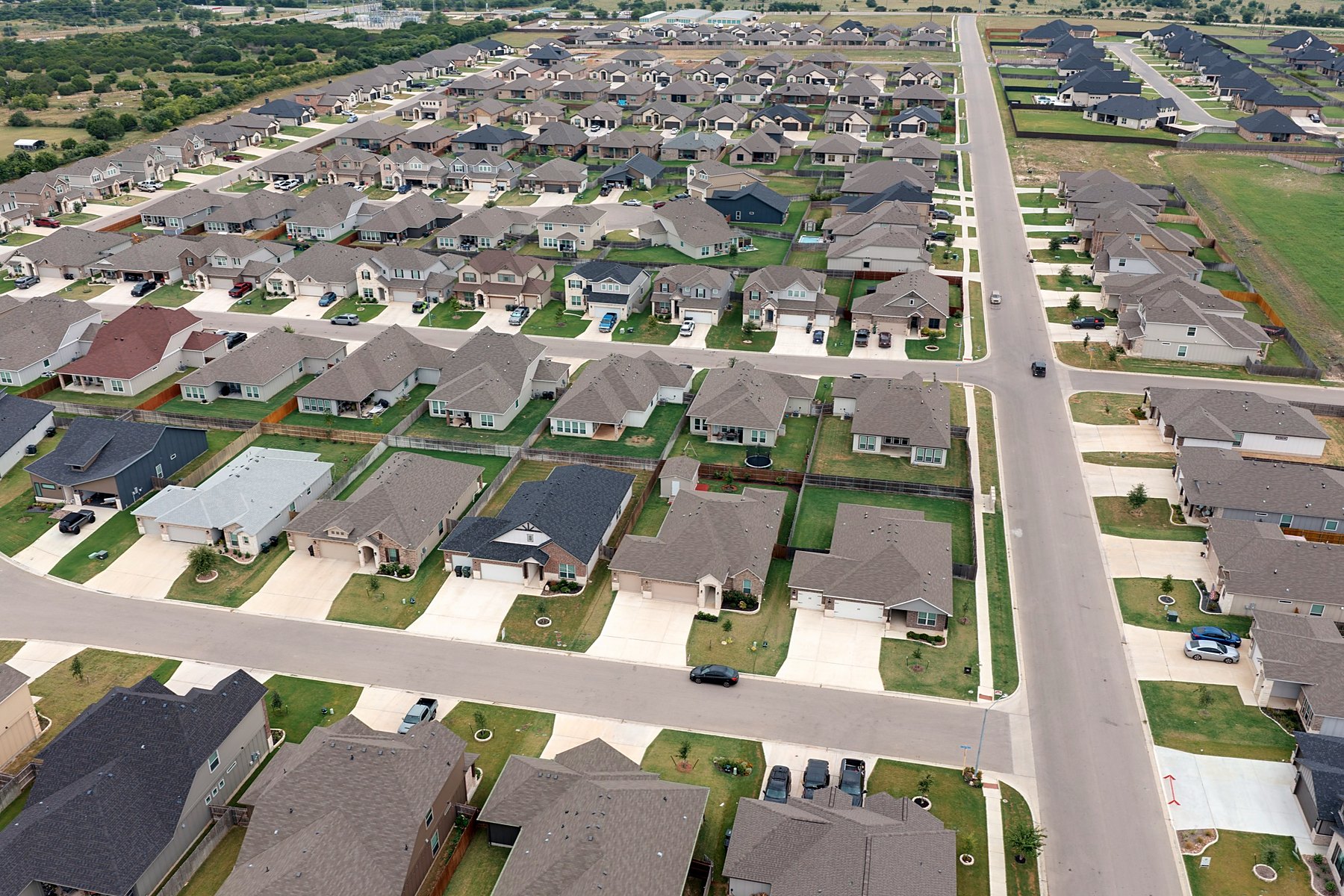
Becon Ridge
~9 min to BSWThis is where the 1.99/2.99/3.99 ladder closed. Lennar has been the most aggressive on rate buy downs into BSW residents this year. Two recent under-contracts on Lennar in one week, both BSW-bound. Active phases worth watching for incoming PGY-1s.
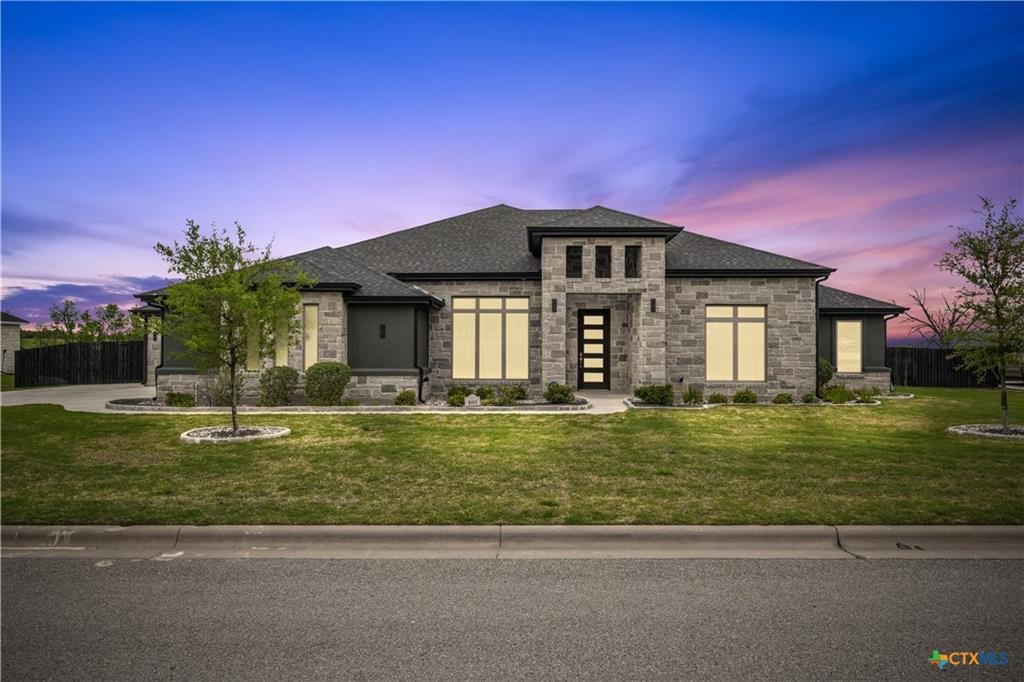
Hartrick Ranch / North Pointe
~12–14 min to BSWOmega’s Cottage Series sits in the $250K–$292K range, designed for first-time buyers. Smaller footprint, lower carrying cost. Hartrick is also where the most aggressive resident-fit cottage inventory sits — ask for the current phase pricing before signing on a different subdivision.
Hillside Village
~6–10 min to BSWClosest commute on this list. DR Horton’s incentive structure here leans toward closing-cost coverage — a recent client brought roughly $1,500 to closing on a DR Horton purchase because most of the closing costs were covered by the builder. Resale inventory in Hillside also moves through this neighborhood.
Sage Meadows
~10–13 min to BSWNewer subdivision on the southwest side, mid-sized homes 1,800–2,400 sqft. Worth checking if Becon Ridge inventory tightens during the spring residency wave.
Cimmaron
~12–15 min to BSWNorthwest Temple. More established than the new-build pockets to the south, with a mix of resale and infill new construction. Tends to pencil for residents who want to be on a quieter street and don’t mind the slightly longer commute.
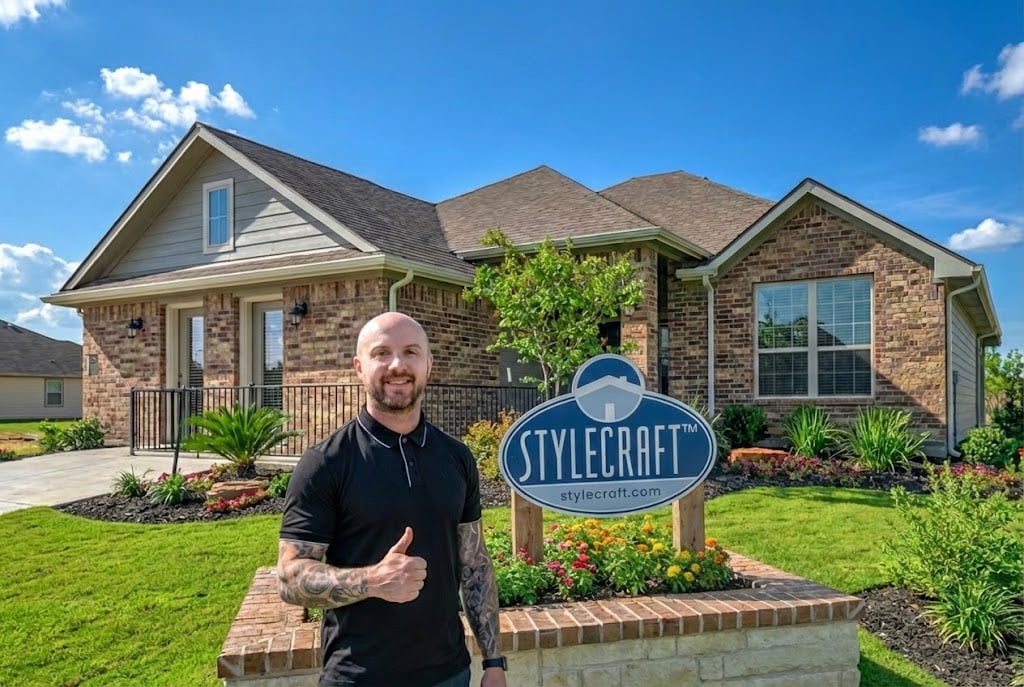
StyleCraft pockets
Varies by sectionStyleCraft’s incentive structure forces a choice: you get the rate or you get the flex cash, not both. That’s the opposite of DR Horton’s structure on the same buyer. We’ll model both options for you on the same home before you sign — the right answer flips based on whether your bottleneck is monthly payment or cash to close.
Off-peak drive times look great. Adams Avenue and S 31st St back up between 7:00–8:30am — the exact window you’re heading into BSW Main. Always run your actual commute on a Tuesday or Wednesday morning before signing. The 9-minute neighborhood can become a 15-minute neighborhood at shift change.
Who actually closes physician loans for BSW residents in Temple.
Physician loans aren’t a product every loan officer runs every week. The version that works for BSW residents — 0% down, no PMI, future-income underwriting, comfortable with student-loan IBR/PAYE math — is run by a small handful of lenders in the Temple/Belton/Killeen corridor.

How it works. Lining up the right physician-loan lender is part of the process — not an afterthought. The version that works for residents runs the future-income underwriting comfortably, doesn’t blow up your DTI on student loans, and closes the deal start to finish on the BSW schedule — fast pre-approval and a remote-friendly process. Taylor keeps current relationships with lenders who do this every week and introduces whoever has the best terms for your specific deal, with no obligation to use any one shop’s appraiser if your contract structure works better another way.
When residents ask BSW staff for a lender recommendation, the answer is — correctly — that BSW can’t recommend outside vendors. Your loan is a completely separate relationship handled on the agent side, not through any BSW employee. That’s a feature: it keeps the loan side clean while letting you run a real apples-to-apples comparison against any builder’s preferred lender on the same home.
On any new-construction offer, get a second loan estimate from your physician-loan lender and one from the builder’s preferred lender, on the exact same home, on the same day. Compare year-1 monthly, total cash to close, and rate at year 3+. The right answer often surprises both sides. Builders sometimes win on year-1 monthly, physician loans often win on year-3+ rate. Sign the contract once you’ve seen both — never before.
The 2-1 buy down, walked through on camera.
Quick walkthrough of the rate-ladder math at the actual property. The numbers above are the ones explained in the clip — same client, same home, same close.

If I had to summarize it for you in two sentences:
The biggest mistake I see incoming residents make isn’t picking the wrong loan. It’s signing a contract before they’ve put both the physician loan and the builder’s preferred lender on the same home, on the same day, and seen the year-1 and year-3 numbers side by side. Most agents will only quote you the one their preferred lender is paying them to talk about.
The second-biggest mistake: under-estimating the timeline. PGY-1s call me in May, panicking, looking to close before July 1 with no pre-approval started. Done right, I want you in pre-approval by Match Day weekend, under contract by mid-May, and closing 21–30 days before residency starts. We can move faster than that — we have — but it’s not the version where you sleep at night.
Last thing: my job as the agent is to get you in the right house at the right number — not to push you toward whichever lender is sending the most referral fees this quarter. Run the math both ways. Then decide.
Want the wider context — relocation logistics, neighborhoods near campus and the offer-to-move-in timeline? The full BSW Relocation Hub covers it.
What incoming residents actually ask before they buy in Temple.
Matched into BSW Temple? Let’s run the actual numbers on your home.
Send the basics on your residency, your timeline, and what kind of home you’re targeting. I’ll come back with: a side-by-side physician loan vs. builder buy down on a real Temple property, a remote-close timeline mapped to your start date, and a short list of subdivisions that match your commute window.
- No pitch. If renting wins for your timeline, I’ll tell you so.
- No BSW staff involvement. Stark Law / compliance — this is direct, agent to physician.
- Fully remote-friendly. Most of our resident clients close without flying in.
- Lender comp on every offer. Physician loan + builder lender, same home, same day.
Prefer to DM? Reply RESIDENT on the Facebook video and I’ll route you to the same checklist.