The Temple TX Data Center Boom
$1.5 Billion in Capital. Fewer Than 150 Permanent Jobs.
What That Actually Means for Your Real Estate Decision.
Will the Data Centers Raise Home Prices in Temple, TX?
No. The combined permanent workforce of the Meta, Rowan Digital, and Oppidan data center campuses in Temple, TX is projected at fewer than 150 employees upon full stabilization. In a Bell County market of ~400,000 residents where the median home price contracted 11.9% year-over-year to $245,000 and days on market expanded to 84 days, 150 jobs spread over multiple years is a statistical rounding error. Data centers bring massive capital ($1.5B+) and construction-phase mid-term rental demand from ~2,000 workers, but they will not spike single-family home prices. Long-term, these projects secure Temple's commercial tax base and drive industrial land speculation along the South Temple corridor.
- $1.5 billion+ in confirmed capital investment across 1,110+ acres of industrial land in Temple, TX
- ~2,000 concurrent construction jobs driving intense mid-term rental (MTR) demand through 2027
- Fewer than 150 permanent operations jobs combined across all three data center projects
- Meta (Polmer LLC) committed to 40-100 permanent jobs averaging $90,000/year on 393 acres at Eberhardt Road
- Rowan Digital secured a 10-year, 50% property tax abatement through Reinvestment Zone No. 47 on 707 acres at Bob White Road
- Temple median home price: $245,000 with 84 days on market — down 11.9% YoY despite the "boom" narrative
The Big Three: Meta, Rowan, and Oppidan Project Timelines
Three distinct data center projects define Temple's industrial corridor. Here is exactly what each one involves — verified against TDLR filings, Temple City Council minutes, and official corporate releases. No speculation.
| Project | Developer | Location | Acres | Investment | Construction Jobs | Permanent Jobs | Status |
|---|---|---|---|---|---|---|---|
| Meta Temple Campus | Polmer LLC (Meta Platforms) | NW H K Dodgen Loop & Eberhardt Rd | 393 | $800M+ | ~1,250 | 40–100 | Under Construction |
| Project Temple | Rowan Digital Infrastructure | 1707 & 2351 Bob White Rd | 707 | $700M–$1.2B | 600–700 | 40 | Breaking Ground 2025/2026 |
| 5MW Temple Data Center | Oppidan Investment Group | 2325 Eberhardt Rd | 10 | $27M–$31M | N/A | <5 | Planned / Under Construction |
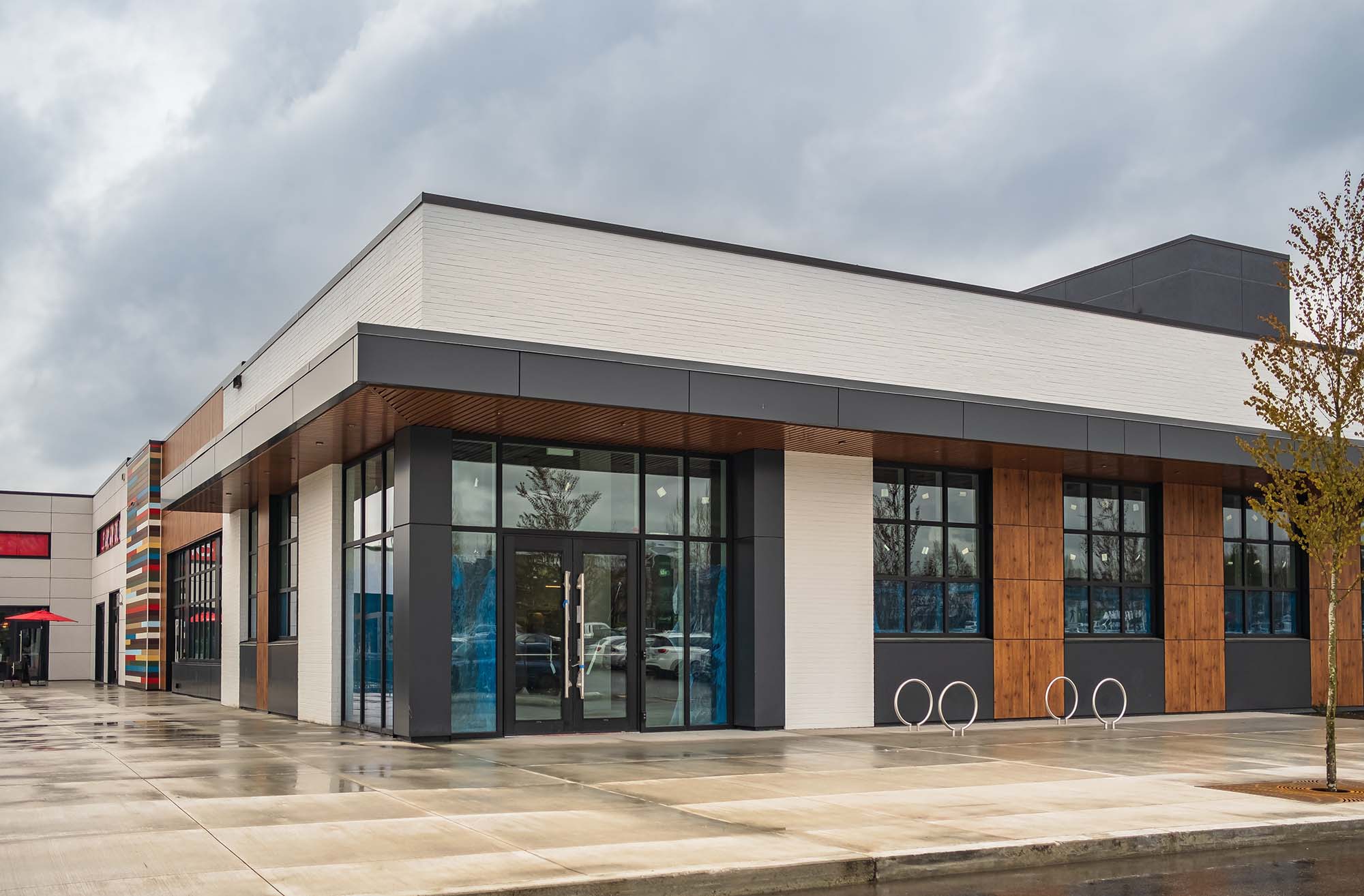
Meta (Polmer LLC) — The Flagship
The Meta campus spans 393 acres and roughly 900,000 square feet at the intersection of NW H K Dodgen Loop, Eberhardt Road, and Industrial Blvd within the Temple Industrial Park. Phase 1 represents a minimum $800 million capital commitment. Ground was originally broken in 2022, paused when Meta redesigned the facility for AI workload cooling and power density, and resumed under general contractor JE Dunn in October 2023. Phased completion extends through late 2026 into 2027. Meta committed to a minimum of 40 permanent full-time jobs, scaling to approximately 100, with average wages of $90,000/year. The project is supported by 100% renewable energy commitments.
Rowan Digital Infrastructure — The Heavyweight
Rowan's project at 1707 and 2351 Bob White Road is the largest: 707 acres delivering 300 MW of capacity. Investment ranges from $700 million to $1.2 billion. Temple City Council approved the creation of Tax Abatement Reinvestment Zone No. 47, covering 554 acres, clearing a $15.8 million incentive package structured as a 10-year, 50% abatement on the increase in real and personal property improvements. Power capacity secured through Oncor. Permanent staffing: 30 employees in Phase 1, adding 10 by end of 2029, for 40 total at a required average salary of $80,000.
Oppidan — The Satellite Node
Oppidan Investment Group's 5MW facility sits on 10 acres directly across from the Meta campus at 2325 Eberhardt Road. The 61,554-square-foot building carries an estimated cost of $27–$31 million per TDLR filings. Completion anticipated early-to-mid 2026. Permanent jobs: fewer than 5. Facilities of this scale often operate as largely unstaffed satellite nodes.
Construction Timeline
Are Data Centers Turning Temple Into a Tech Hub?
Data centers bring thousands of high-paying tech jobs that will drain the local housing supply and cause single-family home prices to skyrocket. Temple is becoming the next Austin. Better buy now before it's too late.
Data centers are essentially giant, heavily air-conditioned hard drives. They require massive upfront capital — over $1.5 billion in Temple — but run on skeletal crews of fewer than 150 combined permanent employees. These employees are security guards, facility engineers, electricians, and HVAC technicians. They are not thousands of software developers buying luxury homes. The workforce composition does not transform housing demand. Meanwhile, Temple's median home price actually declined 11.9% year-over-year to $245,000 despite the data center announcements.
The disconnect between headline investment figures and actual human impact is the single most important concept for any investor evaluating Temple's real estate market. To visualize just how extreme this disconnect is:
This is why Taylor Dasch of EG Realty in Temple, TX tells every investor the same thing: if your residential underwriting requires the data center to succeed, do not buy the deal. Underwrite based on current rents and conservative LTR growth. If the numbers work on fundamentals alone, the MTR construction-phase bump is pure alpha. If they don't work without the data center narrative, walk away.
How Many Jobs Will the Temple Data Centers Actually Create?
Approximately 2,000 construction-phase jobs will be active concurrently through the 2026/2027 peak period, followed by fewer than 150 permanent operations positions. This distinction — construction-phase demand versus operations-phase stabilization — is the most critical variable every investor in Temple, TX must internalize before deploying capital.
2024–2027+ | Intense, Temporary, Actionable
- Specialized tradespeople: electricians, precast concrete crews, liquid cooling engineers
- Workers do not buy homes — they require furnished, flexible 3-to-9-month leases
- Per-diem workers are insensitive to slight rent premiums but require furnished, utility-included housing
- 15-to-20-minute maximum commute radius from job site
- MTR operators in South Temple, South Pointe, and Belton positioned to capture premium yields
- RV parks along I-35 and outer loop corridors experiencing intense occupancy compression
2027+ | Negligible Housing Demand
- Meta: 40–100 employees at $90,000 average salary
- Rowan: 40 employees at $80,000 average salary
- Oppidan: fewer than 5 employees
- 150 jobs over 3 years is a statistical rounding error in Bell County (~400K residents)
- Workforce composition: security guards, facility engineers, electricians, HVAC techs — not software developers
- Wholly insufficient to absorb excess Temple inventory or drive aggressive appreciation
"$1.5 billion in data center capital creates fewer permanent jobs than a new local high school. The construction phase is real money — the operations phase is a ghost town wrapped in blinking server lights."
The construction-phase demand versus operations-phase stabilization framework is the lens through which every Temple real estate decision should be filtered. Contractors earning per-diem stipends from companies like JE Dunn don't search Zillow — they need furnished beds near the job site, available next week, with utilities included. That's the MTR opportunity. The standard 12-month buy-and-hold investor underwriting long-term appreciation based on the headline "Meta is building in Temple" is making a fundamentally flawed bet.
Should You Invest in Mid-Term Rentals in Temple, TX?
If you're an agile operator who can furnish units, manage flexible leases, and target the construction workforce within a 15-to-20-minute radius of Eberhardt Road and Bob White Road — yes. The mid-term rental opportunity in Temple, TX is the highest-conviction play generated by the data center corridor. But it has a defined expiration window.
The construction phase of Meta and Rowan's hyperscale campuses requires an estimated 1,850 to 2,000 specialized tradespeople, engineers, and contractors operating concurrently through 2027. These workers don't sign 12-month leases. They need 3-to-9-month furnished housing, utility-included, within a short drive of the job site. Texas has added roughly 115,000 new apartments statewide in early 2025, pushing occupancy down — but generic multifamily supply doesn't serve transient tradespeople who rely on per-diem allowances.
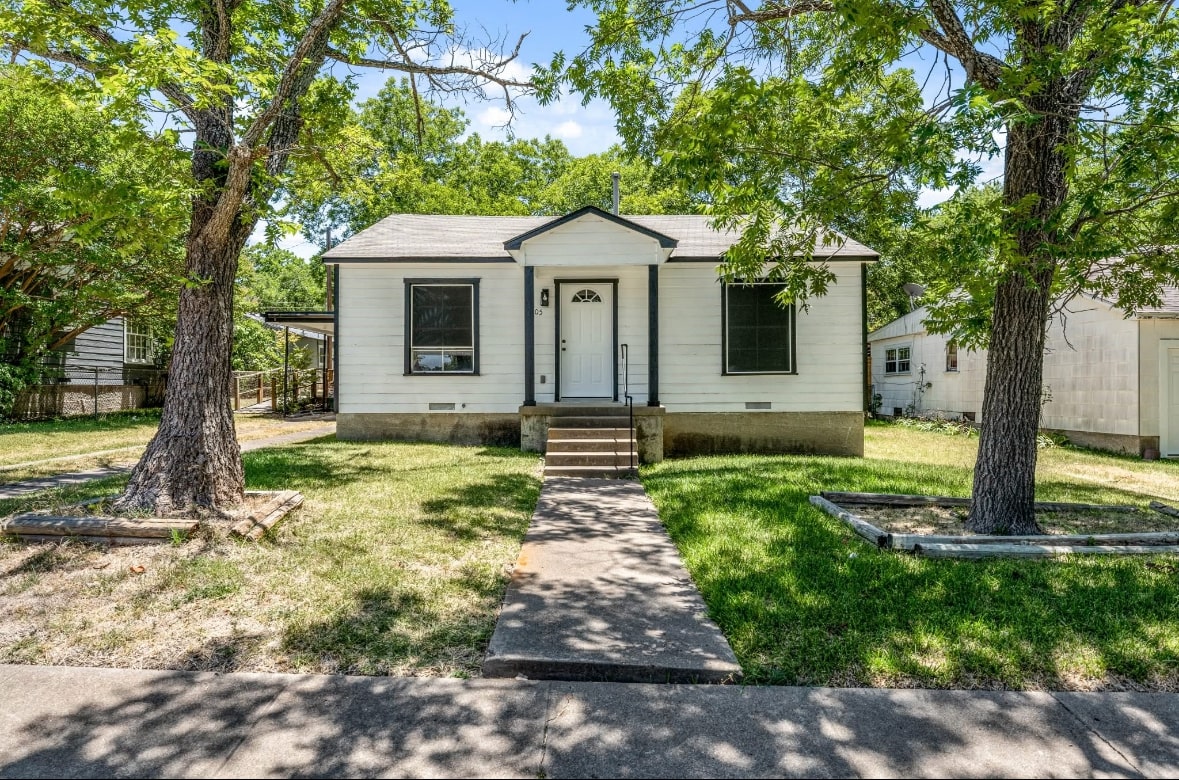
The geographic radius is tight and specific. Subdivisions in South Temple (South Pointe), neighboring Belton, and RV parks along the I-35 and outer loop corridors will experience the most intense occupancy compression. Landlords transitioning portfolios from strict long-term rentals to furnished MTRs catered to this demographic can achieve significant premium yields over standard market rents during this distinct multi-year window. For deeper analysis on the MTR vs. LTR decision framework in Temple, read the complete Mid-Term vs. Long-Term Rental guide.
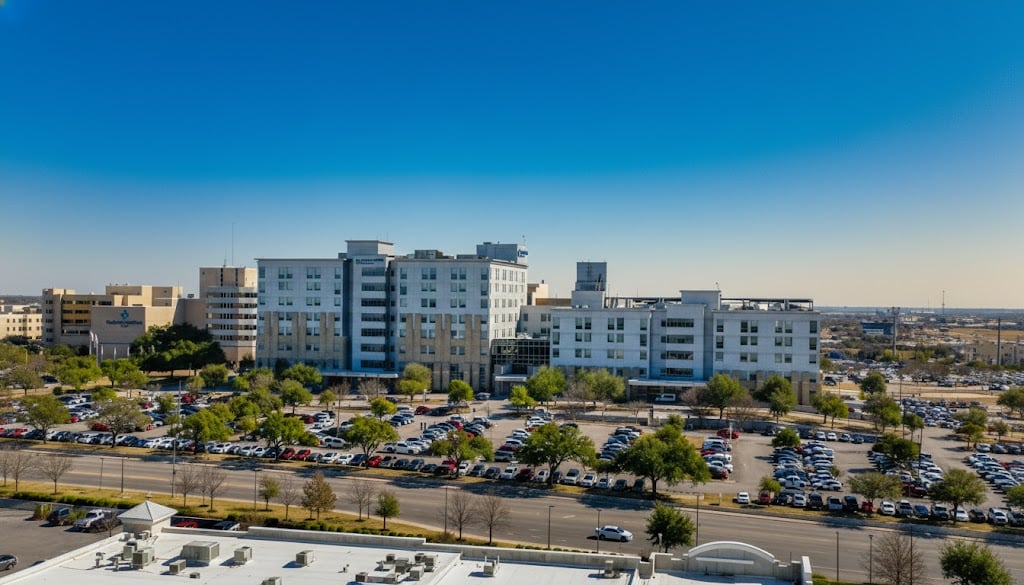
The parallel MTR demand driver — travel nurses and medical contractors at Baylor Scott & White — targets slightly different geography (proximity to the hospital vs. proximity to the highway/job site) but uses the same furnished housing infrastructure. Smart operators position their units to serve both pipelines.
The Investor Verdict: Should You Buy Real Estate in Temple Based on This News?
It depends entirely on your strategy. Standard buy-and-hold investors should aggressively ignore the data center narrative when underwriting residential acquisitions in Temple. Standard market fundamentals — proximity to Baylor Scott & White Medical Center, manufacturing expansions like SeAH Superalloy and Niagara Bottling, and organic Sun Belt migration patterns — remain the primary, reliable drivers of long-term appreciation. Here's how every strategy actually maps against data center impact:
Direct beneficiary. 2,000+ transient construction workers need furnished 3–9 month housing through 2027. Per-diem workers absorb rent premiums. Target South Temple, Belton, and I-35 corridor within 15 minutes of job sites.
Extreme viability. Many specialized tradespeople travel with their own housing. Acquiring, expanding, or developing RV parks in Bell County captures the transient workforce directly. Multi-year demand window with minimal unit turn costs.
Parcels along Bob White Road, Eberhardt Road, FM 1237, and the outer loop are being aggressively absorbed. Oncor's grid upgrades for Rowan make the entire southern corridor viable for future manufacturers. Cash-flow speculators should target 76501, 76502, and 76504 zip codes.
Data centers do not materially affect standard LTR demand. Only ~150 permanent employees won't move the needle. Underwrite based on BSW employment, Fort Cavazos BAH, manufacturing jobs (SeAH, Niagara), and Sun Belt migration — not the data center.
Flip margins are driven by purchase basis and renovation execution, not macro events. The data center narrative may create marginal buyer urgency, but don't underwrite exit price based on anticipated appreciation from 150 jobs.
The highest-risk strategy. Acquiring a home solely because "Meta is building in Temple" ignores current TRERC data showing price contraction (-11.9% YoY) and 84-day DOM. 150 operations jobs will not drain housing supply. Do not speculate on this narrative alone.
Will the Data Centers Lower Property Taxes in Bell County?
Not immediately. Both Meta and Rowan secured 10-year, partial (approximately 50%) property tax abatements. The City of Temple's general fund won't see the full, undiluted commercial property tax revenue from these facilities until the mid-2030s.
The true long-term value of a data center to a municipality is its status as the ultimate commercial tax asset. They hold immense taxable value on the appraisal rolls but place virtually zero burden on Temple Independent School District — they introduce very few new families — and require minimal ongoing police, fire, or municipal services.
The Reinvestment Zone 47 Mechanism
Rowan's Tax Abatement Reinvestment Zone No. 47 covers 554 acres of the 707-acre Bob White Road site. The $15.8 million incentive package is structured as a 10-year, 50% abatement on the increase in real and personal property improvements. A critical detail most analyses miss: a portion of the retained tax revenue stays locked in the zone to improve South Temple infrastructure — roads, utilities, broadband. This mechanism directly and disproportionately benefits adjacent commercial land owners rather than flowing to the broader city budget immediately.
The Substation Advantage
The real estate benefit is primarily indirect. Because Oncor is forced to upgrade the heavy electrical grid for Rowan's 300 MW demand, the entire southern industrial corridor suddenly becomes far more viable for other manufacturers who need power but couldn't afford the initial grid upgrades themselves. This is the "infrastructure cascade" effect — the data center foots the utility bill for Temple's entire next generation of industrial tenants.
The SeAH & Niagara Contrast
To understand why data centers don't drive residential housing demand, compare them to Temple's traditional manufacturers. SeAH Superalloy Technologies invested $110 million and created 100+ jobs — a ratio of ~$1.1M per job. Niagara Bottling invested $90 million initially and created 345+ jobs — roughly $260K per job. These manufacturers have a far higher human-to-capital ratio than data centers, making manufacturing the actual driver of local residential housing demand in Bell County.
Does Proximity to a Data Center Increase Residential Property Value?
Not necessarily — and in some cases, proximity is a detriment. Being situated too close to a hyperscale data center introduces industrial aesthetics, heavy truck traffic during the multi-year construction phase, continuous low-frequency noise from massive HVAC and cooling chiller units, diesel generator testing cycles, and high-voltage transmission lines. These factors can degrade residential quality of life and negatively impact resale value.
The geographic impact breaks down into three distinct zones for investors analyzing the Temple, TX data center corridor:
- Impact TypeIndustrial Land
- Data Center Proximity0–5 mi
- Residential PlayMTR Only
- Key RoadsBob White, Eberhardt
- Proximity RiskHigh
- Impact TypeResidential MTR
- Commute to Sites10–18 min
- Residential PlayMTR + LTR
- Housing Deficit5,101 units
- Investor Score753/1000
- Impact TypeIndirect Only
- Commute to Sites18–25 min
- Residential PlayLTR / Owner-Occ
- Primary DriverBSW Hospital
- Data Center EffectMinimal
Belton Spillover Logic: Because Meta and Rowan sit in South Temple along Eberhardt and Bob White roads, workers, executives, and logistical traffic utilize Belton's housing supply, restaurants, and school districts just as much as Temple's. Investors targeting the MTR contractor demographic should evaluate both municipalities equally. The 15-minute commute radius doesn't respect city limits.
Water, Power, and the Texas Grid: The Risks No One Is Talking About
Data centers place extraordinary strain on power and water grids, and this is not an abstract risk in Central Texas. The Houston Advanced Research Center (HARC) published a white paper documenting that Texas data centers currently account for 9,567 MW of capacity, projected to increase massively by 2030. Rowan alone demands 300 MW.
The Water Problem
HARC estimates Texas data centers consume approximately 25 billion gallons of water annually, primarily for evaporative cooling systems. While operators like Rowan claim to utilize highly efficient cooling technology, intense local skepticism regarding water security amid persistent Central Texas drought conditions remains a valid point of friction. KTEM NewsRadio reported community backlash against Rowan's water deal with the City of Temple. This isn't theoretical — municipal pushback has resulted in legislative moratoriums in other jurisdictions, including Monterey Park, California, which directed staff to explore a permanent data center ban.
The ERCOT Grid Question
The Texas ERCOT grid's reliability has been tested repeatedly. Adding hundreds of megawatts of data center demand on top of existing residential and industrial load introduces risk. State-level policies including Senate Bill 6 impact power generation timelines and grid reliability, which means "announced" projects don't always translate to "built on schedule." Rowan secured power through Oncor, but the grid's overall capacity margin remains a factor that could affect construction timelines and operational viability.
The Secondary Supplier Myth
Data centers do not create massive secondary supplier ecosystems the way automotive plants do. Once built, servers are shipped in, plugged in, and left alone. There is no ongoing supply chain of parts manufacturers, logistics companies, and service providers that spin up around the campus. This is a closed-loop infrastructure play, not an economic multiplier.
Is South Temple a Good Place to Buy Rental Property?
For MTR operators: absolutely, within the defined 3–5 year construction window. For standard LTR investors: only if the deal underwriting works on current fundamentals alone — not on data center hype.
Cross-referencing the data center "boom" narrative with actual Texas A&M Real Estate Research Center (TRERC) 2026 data proves definitively that the data center alone isn't a magic bullet for appreciation. Temple's median home price contracted 11.9% year-over-year to $245,000. Days on market expanded to 84 days. These are not indicators of a market being "drained" by incoming tech workers.
The reliable, durable drivers of Temple residential demand remain:
- Baylor Scott & White Medical Center — 8,800+ employees, Temple's largest employer
- Fort Cavazos (formerly Fort Hood) — BAH-driven rental demand, E-6 w/ dependents at $1,920/month
- SeAH Superalloy — $110M investment, 100+ permanent manufacturing jobs
- Niagara Bottling — $90M investment, 345+ permanent jobs
- Sun Belt migration — organic population growth from California, Illinois, and northeast states
- I-35 corridor growth — strategic position between Austin (65 mi) and Dallas-Fort Worth (130 mi)
The underwriting formula is simple: underwrite the property based on current rents and conservative LTR growth. If the numbers work, the MTR data center bump is pure alpha. If the numbers require the data center to succeed, do not buy the deal. This is the framework Taylor Dasch of EG Realty applies to every acquisition analysis in Bell County.
Taylor's Take

Here's the part that doesn't make the press releases. I drive past the Meta site on Eberhardt Road regularly. It's a massive, impressive construction operation. But you know what else I see? A housing market where I'm helping sellers accept 5-8% below their Zestimate because buyers have leverage right now. Temple has inventory. We have 84-day average DOM. The "data center boom" narrative and the actual street-level market reality are in two completely different zip codes.
The MTR play is real, and I've helped investors structure it correctly. But the window is specific: 2025 through late 2027, targeting the construction workforce, within a tight geographic radius. After that, you're left holding a furnished unit in a market that needs to stand on its own fundamentals. If those fundamentals work at current rent levels, great. If you need the data center magic to make your cash-on-cash work, you're speculating — not investing.
What I actually get excited about is the infrastructure cascade. The grid upgrades Oncor is doing for Rowan? That permanently unlocks the southern corridor for the next manufacturer who needs 50MW and won't have to pay for the substation themselves. That's the real long-term play — not betting on 150 operations workers fighting over houses that are already sitting at 84 days.
One more thing nobody talks about: the water politics. I've sat in city council meetings where residents are genuinely angry about Rowan's water agreement. In a drought-prone region like Central Texas, handing a data center billions of gallons of water annually isn't a footnote — it's a liability that could affect permitting for future development. Watch that story.
Have a specific property in mind? Text Taylor directly →Frequently Asked Questions
Related Temple TX Investor Guides
Looking to Capitalize on Temple's Data Center Corridor?
Whether you're evaluating an MTR conversion, analyzing industrial land, or trying to separate the hype from the underwriting — let's run the real numbers together.