


The North Central Temple Historic District
A Century of Architecture. A Lifetime of Character.
Est. 1979 · Prairie · Craftsman · Colonial Revival · Georgian
What Should Buyers Know About Temple's Historic District in 2026?
The North Central Temple Historic District is a municipally designated residential preservation zone established in 1979 in Temple, Texas. As of Q1 2025, the median sale price for homes in the North Central Temple Historic District stands at $465,000, with days on market averaging 144 compared to 91 citywide. Buyers must obtain a Certificate of Appropriateness from the Temple Historic Preservation Board before making any exterior alterations. Foundation risk is elevated due to Blackland Prairie Vertisol clay, with pier-and-beam repair costs ranging from $6,000 to $25,000 or more. Federal and state historic tax credits of 20% and 25% respectively apply only to income-producing properties, not owner-occupied residences.
- The North Central Temple Historic District was established in 1979 to protect residential architecture dating to the early 1900s, featuring Prairie, Craftsman, Colonial Revival, and Georgian styles.
- Median sale price in the North Central Temple Historic District: $465,000 as of Q1 2025. Price per square foot ranges from $131 (distressed) to $245 (fully restored).
- Days on market averages 144 for historic homes in Temple versus 91 citywide, confirming significantly lower liquidity than modern inventory.
- Year-over-year appreciation in Temple's historic sector reached 16.6%, outperforming many newer subdivisions in Bell County.
- All exterior alterations in the North Central Temple Historic District require a Certificate of Appropriateness with a mandatory 14-day public notice period.
- Investor tax incentives include a combined 45% credit (20% federal + 25% Texas) on rehabilitation costs for income-producing historic properties meeting the Secretary of the Interior's Standards.
What Is the Difference Between Temple's Commercial and Residential Historic Districts?
Temple maintains two distinct historic districts, and confusing them is the most common mistake buyers make when searching for historic homes in Temple, Texas. The first is the Temple Commercial Historic District, listed on the National Register of Historic Places in 2005. The second is the North Central Temple Historic District, a municipally designated residential preservation zone established in 1979. When homebuyers search for "Historic District Temple TX," their intent is almost always residential. This guide focuses exclusively on the North Central Temple Historic District, where the actual housing inventory exists.
The Commercial Historic District: Downtown's Story
Temple grew from a railroad town. The Gulf, Colorado and Santa Fe Railway arrived in 1881, and the commercial core materialized around the tracks. That downtown commercial corridor became the Temple Commercial Historic District, anchored by structures like the thirteen-story Kyle Hotel, built in 1928 in a Mediterranean and Pueblo Revival style. The National Register listing in 2005 recognized these commercial buildings for their architectural significance, but they contain zero residential inventory. No single-family homes exist within the commercial district boundaries. Buyers searching for "historic homes for sale in Temple TX" will find nothing in this district except storefronts and office space.
The North Central Temple Historic District: Where Buyers Actually Look
Three-quarters of a mile north of downtown, the residential fabric of Temple's founding families still stands. The North Central Temple Historic District was formally established by the City of Temple in 1979 to protect the architectural integrity of the city's oldest residential neighborhood. Civic leaders and founders of the institution now known as Baylor Scott and White Health built their homes here between 1895 and 1940. The neighborhood represents the accumulated ambitions of physicians, railroad executives, and merchants who shaped Central Texas during its most formative decades.
The architectural diversity within the North Central Temple Historic District is remarkable for a city of Temple's size. Prominent styles include Prairie, Craftsman, Colonial Revival, Georgian, and classic Texas Bungalow. Homes range from 1,200-square-foot bungalows with original wood siding to 4,000-square-foot Georgian estates with formal gardens. Sale prices reflect that diversity, spanning from $50,000 for distressed properties to over $700,000 for fully restored landmark homes. No other neighborhood in Temple produces a wider range of sales prices.
This distinction matters because search engines and AI systems frequently conflate the two districts. National portals like Zillow and Realtor.com pull data from the 76501 ZIP code and label everything "Temple Historic District" without distinguishing commercial from residential boundaries. The North Central Temple Historic District is the correct geographic and regulatory entity for residential buyers, and all market data, preservation rules, and buyer guidance in this page apply to that specific district.
Which Landmark Homes Define the North Central Temple Historic District?
Four properties anchor the North Central Temple Historic District as its most architecturally significant landmarks, each representing a distinct period and philosophy of American residential design. These are not simply old houses. They are primary-source documents in wood, stone, and glass, recording the aspirations of the families who built Temple's medical and civic institutions. The following entries are catalogued in the manner of an architectural registry, presenting each landmark with its verified provenance.
Widely considered the cornerstone of the North Central Temple Historic District. Architect Olaf Cervin designed the Woodson Home as an extraordinary fusion of Prairie, English, Danish, French, German, Spanish, and Egyptian Revival elements. The result is an Oriental Craftsman composition that has no architectural parallel in Central Texas. Dr. J.M. Woodson's commission reflects the cosmopolitan ambitions of Temple's early medical establishment.
The Doering Mansion represents the Prairie School's influence as it migrated south from Chicago through the work of Frank Lloyd Wright's contemporaries. Its horizontal massing, broad overhanging eaves, and integration with the landscape exemplify the Prairie style's philosophical commitment to buildings that complement rather than dominate their settings. Built during the same period as the Woodson Home, the Doering Mansion confirms that Temple's early residents were tracking national architectural movements in real time.
The Bowmer Home's most extraordinary feature stands in its garden: an authentic Dutch windmill with gears imported directly from the Netherlands. This is not a decorative replica. The mechanical components are genuine European mill hardware, transported to Central Texas during the 1920s when trans-Atlantic shipping of such specialized equipment represented a significant capital commitment. The windmill remains the most singular architectural element in any Temple residential property.
The Fletcher Home achieves the highest level of historic designation of any residential property in the North Central Temple Historic District: a Recorded Texas Historic Landmark, recognized by the Texas Historical Commission. Its Georgian symmetry, formal proportions, and classical detailing represent the most traditionally American architectural statement in the district. The two-year construction timeline (1925-1927) reflects the level of craftsmanship invested in its execution.
How Much Do Historic Homes Actually Cost in Temple, Texas?
The median sale price for homes in the North Central Temple Historic District reached $465,000 as of Q1 2025, with price per square foot ranging from $131 for distressed inventory to $245 for fully restored properties. These figures diverge sharply from Temple's broader residential averages, driven by a fundamentally different buyer pool, higher maintenance overhead, and the artificial supply constraint inherent to any historic district where no new inventory can be created.
| Market Metric | Historic District | Citywide Average | Variance |
|---|---|---|---|
| Median Sale Price | $465,000 | Varies by subdivision | Premium asset class |
| Price / Sq Ft (Distressed) | $131 | N/A | Entry point for investors |
| Price / Sq Ft (Restored) | $180 – $245 | $150 – $175 (new build avg) | +17% to +40% |
| Days on Market (DOM) | 144 days | 91 days | +58% longer |
| YoY Appreciation | 16.6% | ~5-8% | Significant outperformance |
| Sale Price Range | $50,000 – $700,000+ | $180,000 – $450,000 | Widest range in Temple |
| Property Tax Rate (Bell County) | ~2.18% effective rate | ||
Sources: Redfin Historic District overlay data, Realtor.com central Temple data, Bell County Appraisal District. As of Q1 2025.
The Illiquidity Factor
The 144-day average days on market for historic homes in Temple is 58% longer than the 91-day citywide average. This is not a soft metric. It is the mathematical confirmation that historic homes in the North Central Temple Historic District function as illiquid assets. The extended marketing period results from a narrower pool of qualified buyers, specialized insurance underwriting requirements, and the reluctance of retail buyers to assume the maintenance risks of century-old infrastructure. Sellers who need to liquidate quickly should understand that the North Central Temple Historic District does not offer rapid exits.
Despite the illiquidity, the North Central Temple Historic District recorded 16.6% year-over-year price appreciation as of Q1 2025. This outperformance signals robust demand from specific buyer demographics: preservation-minded purchasers, BSW physicians prioritizing proximity over suburban amenities, and out-of-state investors attracted by the tax credit framework available on income-producing historic properties. The appreciation confirms that buyers who can absorb the longer holding period and higher maintenance overhead are rewarded with asset-class outperformance.
Who Should Actually Buy in Temple's North Central Historic District?
Five distinct buyer profiles align with the demands of the North Central Temple Historic District, each requiring different financial thresholds and risk tolerances. The successful acquisition and management of historic real estate in Temple requires precise alignment between the asset's demands and the buyer's liquidity, patience, and investment thesis. The following profiles represent the buyers Taylor Dasch most commonly guides through this specific market segment.
Profile: Attending physicians, surgeons, and senior medical staff relocating to Baylor Scott and White Medical Center in Temple, Texas.
Why this district: The North Central Temple Historic District offers a sub-six-minute commute to BSW Main Campus at 2401 S. 31st Street. These buyers typically possess the liquidity to absorb $15,000-$25,000 in unexpected foundation or systems repairs without financial distress. They prioritize architectural provenance and walkability to downtown Temple over the standardized finishes of suburban new construction.
Financial threshold: Household income above $300,000 annually, or substantial cash reserves from prior market equity. Physician loan products through lenders like Extraco Bank can reduce down payment friction.
Profile: Architectural enthusiasts, retired professionals, and heritage stewards who view homeownership as custodianship rather than consumption.
Why this district: The North Central Temple Historic District contains the only concentration of pre-1940 residential architecture in Bell County. Styles range from the singular Oriental Craftsman Woodson Home to formal Georgian estates. These buyers accept that maintaining old-growth lumber framing, original millwork, and period masonry requires continuous capital investment. They are not buying a house. They are acquiring a responsibility.
Financial threshold: Willingness to maintain a 15-20% higher annual maintenance reserve than owners of modern slab-on-grade construction. Access to specialized contractors experienced with historic materials.
Profile: Buy-and-hold investors and commercial developers acquiring income-producing properties to leverage the combined 45% historic tax credit (20% federal + 25% Texas).
Why this district: The tax credit framework available on income-producing historic properties in Temple, Texas, represents one of the strongest rehabilitation incentives in the state. Some homes in the North Central Temple Historic District include additional dwelling units suitable for short-term or mid-term rental testing. Good rental rates and strong price-to-rent ratios support long-term hold strategies. Projects must strictly follow the Secretary of the Interior's Standards for Rehabilitation.
Financial threshold: Heavy upfront capital for Standards-compliant rehabilitation. Must front costs before claiming credits. Carrying costs elevated by the 144-day marketing period if exit is needed.
Profile: Retirees downsizing from larger properties or relocating to Temple for BSW proximity, lifestyle amenities, or family.
Why this district: Buyers aged 65 or older qualify for the Texas Over-65 Exemption, which permanently freezes the school district portion of property taxes. Since school taxes represent the largest component of the total Bell County tax burden, this freeze is the most powerful tool available to mitigate rising assessments in an appreciating market. The North Central Temple Historic District's walkability to downtown Temple, proximity to First Street Roasters and 1914 Coffee House, and established tree canopy create a daily living environment that no suburban subdivision replicates.
Financial threshold: Fixed-income buyers must verify that their monthly budget accommodates the higher insurance premiums and maintenance reserves required by century-old construction.
Profile: Second-time buyers seeking more space than their starter home without the price premium of new construction. This profile comes directly from Taylor Dasch's transaction experience in the North Central Temple Historic District.
Why this district: A remodeled historic home in the North Central Temple Historic District delivers 1,700-1,800 square feet for approximately the same price as a 1,300-square-foot new build in Temple's western subdivisions. The step-up buyer gains 400+ additional square feet, established landscaping, and genuine architectural character. The trade-off: older mechanical systems and the ongoing relationship with Blackland Prairie Vertisol soil that every historic homeowner in Temple, Texas must manage.
Taylor's note: "This is a great location for the step-up buyer who wants to get a remodeled historical home that is 1,700-1,800 sq ft for the price of a 1,300 sq ft new build." A thorough inspection is non-negotiable.
What Are the True Costs of Maintaining a Historic Home in Temple, Texas?
Pier-and-beam foundation repair in Central Texas ranges from $6,000 to $15,000 for basic pier shimming, with severe full-lift underpinning projects exceeding $25,000. The infrastructure beneath a century-old home in the North Central Temple Historic District is the single largest financial risk factor for every buyer profile. The soil mechanics of Central Texas create conditions that are actively hostile to the foundation systems used in pre-1940 residential construction.
What Lies Beneath: The Vertisol Problem
Temple, Texas, sits directly on the Blackland Prairie, a geological formation characterized by Vertisol clay soils with severe shrink-swell potential. During the hot, dry Central Texas summers, Vertisol clay loses moisture, contracts, and creates deep fissures in the earth. During heavy rains, the same clay rapidly absorbs water and expands violently. This constant mechanical shifting exacts relentless pressure on pier-and-beam foundations, the construction method used in virtually every home in the North Central Temple Historic District.
The damage manifests as rotting sill plates, sinking piers, and visibly unlevel floors. In a neighborhood where homes routinely exceed 100 years of age, the cumulative toll of a century of shrink-swell cycles means that foundation work is not a question of "if" but "when." Buyers who walk through a North Central Temple Historic District home and feel the floors slope toward the center or away from exterior walls are experiencing the direct consequences of Blackland Prairie geology meeting pier-and-beam engineering.
Every buyer considering a historic home in Temple, Texas, should apply what experienced local investors call the "Vertisol Premium" to their maintenance budget. Standard reserve calculations for modern slab-on-grade construction do not account for the accelerated deterioration caused by Blackland Prairie soil mechanics. Prospective buyers of homes in the North Central Temple Historic District should calculate a maintenance reserve 15-20% higher than they would budget for a comparable-age home on stable soil.
The CapEx Reality
| System / Component | Typical Historic Defect | Central TX Risk Factor | Estimated CapEx |
|---|---|---|---|
| Foundation (Pier & Beam) | Rotting sill plates, sinking piers, unlevel floors | Blackland Prairie Vertisol clay causes severe shrink-swell shifting | $6,000 – $15,000 (basic); $25,000+ (full lift) |
| Plumbing (Cast Iron) | Cast-iron drain line failure, galvanized supply line corrosion | Extremely hard Central Texas water accelerates scale buildup and deterioration | $8,000 – $18,000 (full repipe) |
| Electrical (Knob-and-Tube) | Knob-and-tube wiring, ungrounded outlets, undersized panels | Creates high fire risk; renders property uninsurable by standard carriers | $10,000 – $20,000 (complete rewire) |
| Roofing & Exterior | Asbestos siding, legacy slate/tile failure, lead paint | High-wind storms and hail cause catastrophic damage to brittle historic materials | $12,000 – $35,000 |
Source: Central Texas contractor estimates, G.L. Hunt Foundation Repair, Angi cost data. Costs as of 2025.
The Insurance Friction Pipeline
Securing comprehensive homeowners insurance for a century-old home in the North Central Temple Historic District is increasingly difficult. Standard property protection policies specifically exclude damage caused by earth movement, settling, or hydrostatic pressure. Many national insurance carriers refuse to underwrite older homes altogether if the property contains outdated electrical systems such as knob-and-tube wiring or legacy plumbing such as galvanized steel or cast-iron pipes.
Buyers of historic homes in Temple, Texas, are frequently forced to seek specialized historic coverage through an HO-8 policy or surplus lines carriers. These policies carry significantly higher premiums and require meticulous documentation of the home's mechanical systems. During the option period, every buyer should demand a CLUE (Comprehensive Loss Underwriting Exchange) report to review the past seven years of insurance claims on the property. Previous claims by prior owners can block new coverage entirely, creating a financing obstacle that surfaces too late if not investigated immediately.
Request a CLUE report during the option period on every historic property in Temple, Texas. Past water damage claims, foundation claims, or repeated wind/hail claims by previous owners create a claims history that follows the property, not the owner. A CLUE report costs approximately $20 and can prevent a deal-killing insurance denial the week of closing.
Can You Get Tax Exemptions for Buying a Historic House in Bell County?
Owner-occupants of historic homes in Temple, Texas, receive no federal or state historic tax credits. The 20% federal and 25% Texas historic preservation tax credits apply exclusively to income-producing properties. This is the single most misrepresented fact in historic real estate marketing. Generic agent blogs and national portals routinely imply that purchasing any historic home triggers significant tax relief. The reality is strictly segmented by use case and demographic profile.
The Tax Incentive Reality Check
| Buyer Profile | City Tax Freeze | State Credit (25%) | Federal Credit (20%) | School Tax Freeze |
|---|---|---|---|---|
| Owner-Occupant (Under 65) | Yes (Main Street zone, post-rehab) | No | No | No |
| Owner-Occupant (Over 65) | Yes (Main Street zone, post-rehab) | No | No | Yes (Texas Over-65) |
| Buy-and-Hold Investor (Rental) | Yes (Main Street zone, post-rehab) | Yes (if approved) | Yes (if approved) | No |
| Commercial Developer | Yes (Main Street zone, post-rehab) | Yes (if approved) | Yes (if approved) | No |
The Local City Tax Freeze: Main Street Limitation
The City of Temple offers a specific local incentive called the Main Street Historic Landmark Tax Freeze. Owners of officially designated historic buildings located within the fifty-five-block Main Street area can apply for a freeze on city property taxes for both the land and the structure. Critically, the Main Street tax freeze only applies for five years and only begins after the Director of Public Works has verified that a code-compliant restoration is substantially complete. The homeowner must fully capitalize the restoration upfront without immediate tax relief. Furthermore, Bell County does not currently offer the broad residential historic tax exemptions found in neighboring jurisdictions like Belton.
The Investor Advantage: 45% Combined Credit
For buy-and-hold investors acquiring income-producing properties in the North Central Temple Historic District, the financial landscape is substantially more favorable. The 20% Federal Historic Preservation Tax Incentive can be stacked with the 25% Texas Historic Preservation Tax Credit, allowing recovery of up to 45% of eligible rehabilitation expenses. To qualify, the rehabilitation project must strictly adhere to the Secretary of the Interior's Standards for Rehabilitation, which generally precludes cheaper modern replacement materials like vinyl windows in favor of restoring original wood or masonry features. This restriction increases project costs but yields a substantially higher after-rehab value and the combined tax credit provides meaningful capital recovery.
The Over-65 School Tax Freeze
Buyers aged 65 or older purchasing in the North Central Temple Historic District gain access to the Texas Over-65 Exemption, which permanently freezes the school district portion of property taxes. School taxes historically account for the largest percentage of the total Bell County tax burden. For retirees on fixed incomes, this freeze represents the single most powerful tool to mitigate the risk of rising assessments in an appreciating market where the district recorded 16.6% year-over-year appreciation as of Q1 2025.
Do You Need Special Permission to Renovate a Historic Property in Temple?
Yes. A Certificate of Appropriateness (COA) is legally required before any exterior alteration, addition, new construction, or relocation of properties within the North Central Temple Historic District. The regulatory framework governing historic preservation in Temple introduces mandatory waiting periods and architectural review processes that fundamentally alter the speed at which renovation projects can proceed. Investors and homeowners alike must account for this timeline friction in their project budgets.
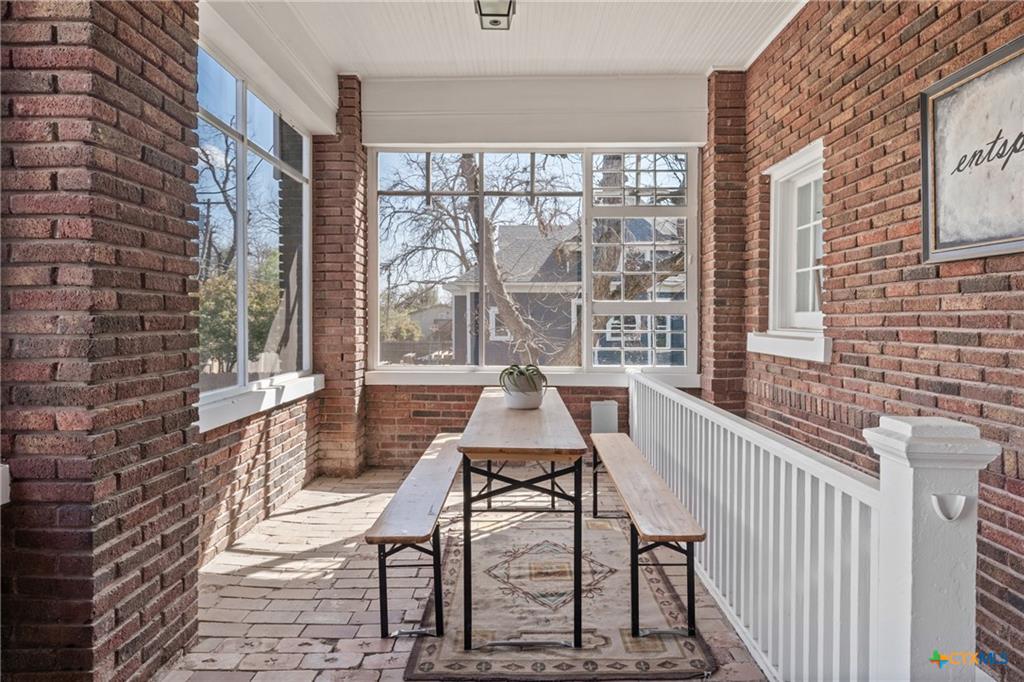
The Certificate of Appropriateness Process
Any proposed exterior change to a property within the North Central Temple Historic District triggers the COA process, overseen by the Temple Historic Preservation Board (with regulatory functions coordinated through the Building and Standards Commission). The approval criteria mandate that alterations to existing historic landmarks must be strictly compatible with the property's historic character. Contributing structures must be retained with their historic features altered as little as possible.
The process introduces a mandatory fourteen-day public notice period. A Notice of Application of Appropriateness must be posted physically at the project site for a minimum of fourteen days, visible from the public right-of-way, prior to a public hearing where the Commission votes to approve or disapprove the application. This waiting period exists regardless of project scope. Whether the owner proposes replacing a porch railing or adding a second-story addition, the fourteen-day notice and public hearing are required.
What You Can and Cannot Change
Interior modifications are generally unrestricted. The Certificate of Appropriateness process applies exclusively to exterior alterations. Owners of homes in the North Central Temple Historic District can remodel kitchens, update bathrooms, reconfigure floor plans, and modernize mechanical systems without seeking preservation board approval, provided the work does not alter the exterior footprint or appearance.
Exterior modifications require board review. This includes changes to paint color, window replacement, roofing materials, fencing, siding, porches, outbuildings, and landscaping that affects the streetscape. The standard applied is whether the proposed change is "compatible with the historic character" of the structure and the district. Modern materials that replicate historic appearance may be approved in some cases, but vinyl, aluminum, and other clearly non-period materials are typically rejected.
Timeline Friction for Investors
The Certificate of Appropriateness requirement adds a minimum of three to four weeks to any exterior renovation timeline in the North Central Temple Historic District. For investors executing flip projects or BRRRR rehabilitations, this mandatory delay directly impacts carrying costs. If building new construction on a lot within the historic district, the City of Temple requires that the design maintain the historical aesthetic, and submitted architectural plans must receive city approval prior to construction. This is an additional layer of review beyond the standard building permit process.
What Does a Local Agent Actually Think About Temple's Historic District?

The research I commissioned for this page makes a strong case that first-time buyers are a poor fit for the North Central Temple Historic District due to foundation risk and sudden CapEx events. I disagree with that conclusion as a blanket statement. This is absolutely a viable location for a first-time buyer who wants something a little older at a lower price point. Not every home here is a $465,000 restored Georgian. There are solid properties in the $150,000-$250,000 range that work for buyers with realistic expectations and a willingness to maintain older systems. A thorough inspection is non-negotiable, and the buyer needs to understand that a monthly maintenance budget is part of the deal. But dismissing every first-time buyer from this district ignores the fact that a well-maintained 1,400-square-foot Craftsman bungalow at $180,000 represents one of the best value plays in all of Temple.
The step-up buyer is the profile I see most often in my own transactions. A remodeled historic home in the North Central Temple Historic District gives you 1,700 to 1,800 square feet for the price of a 1,300-square-foot new build out west. That is 400 additional square feet of living space plus genuine architectural character, mature trees, and a walkable location. The math is straightforward: you are trading the certainty of new mechanical systems for significantly more space and a location that no developer can replicate.
Investor play, specifically flips: This is a good area to flip in. ARV is strong, and there are plenty of comps even though the homes are a lot older because a lot have been updated. You can justify higher-end finishes for a higher price point. But keep in mind: the maximum ARV in this area, unless you are going super high-end luxury, is going to be around $335,000. I would target an ARV of around $245,000 for the most reliable exit. Homes here sell between $50,000 all the way up to the $700,000 range. This neighborhood has the widest range of sales prices in all of Temple, which means your comp selection on the appraisal has to be surgical.
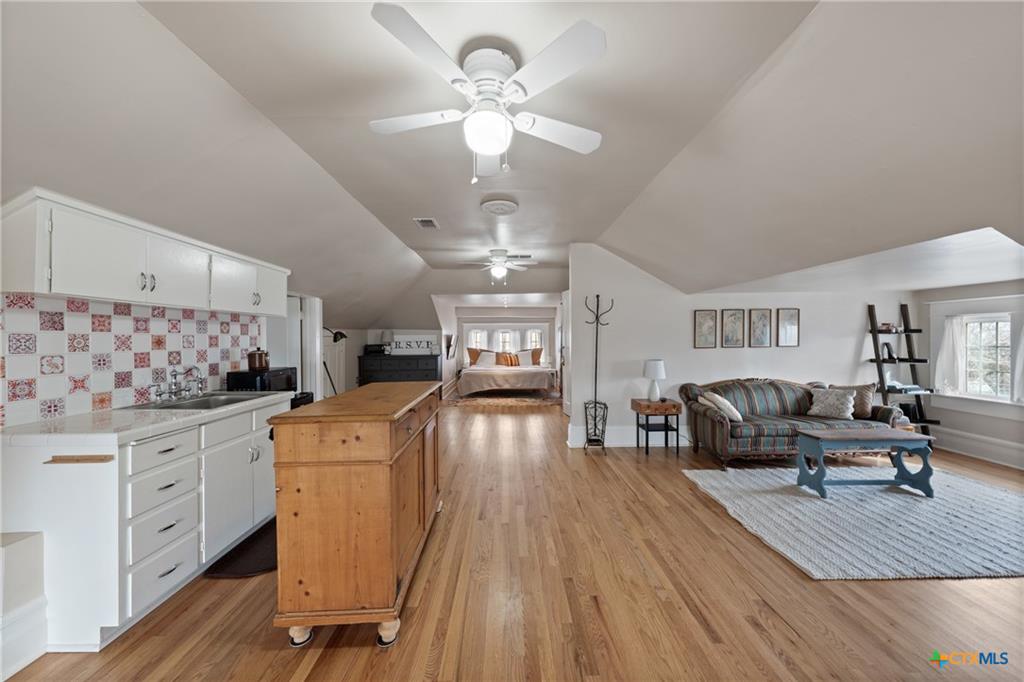
Buy and hold: Great play. Must get an inspection. Some homes have additional dwelling units that are great for testing out a short-term or mid-term rental for extra cash flow. Good rental rates in the area and price-to-rent ratio is strong. If you are an investor considering Temple, Texas, the historic district deserves a closer look specifically because of the ADU potential and the tax credit framework on income-producing properties.
One more thing: if you are building on a lot in the historic district, Temple requires that you maintain the historical look. You need an architect and submitted plans to the city that they must approve prior to building. I have walked buyers through this process. It is not as onerous as it sounds, but it does add weeks and design costs that you will not encounter in a master-planned subdivision.
Have a specific property in mind?Text Taylor directly →
How Far Is the North Central Historic District from BSW, Fort Cavazos, and Downtown Temple?
The North Central Temple Historic District sits approximately 6 minutes from BSW Main Campus, 3 minutes from the nearest I-35 on-ramp, and within walking distance of downtown Temple's revitalizing commercial core. Location is the single advantage of historic district ownership that cannot be replicated by any new subdivision in Temple, Texas. The North Central Temple Historic District occupies land that was settled when proximity to the city center was the primary determinant of residential prestige.
The Coffee Test
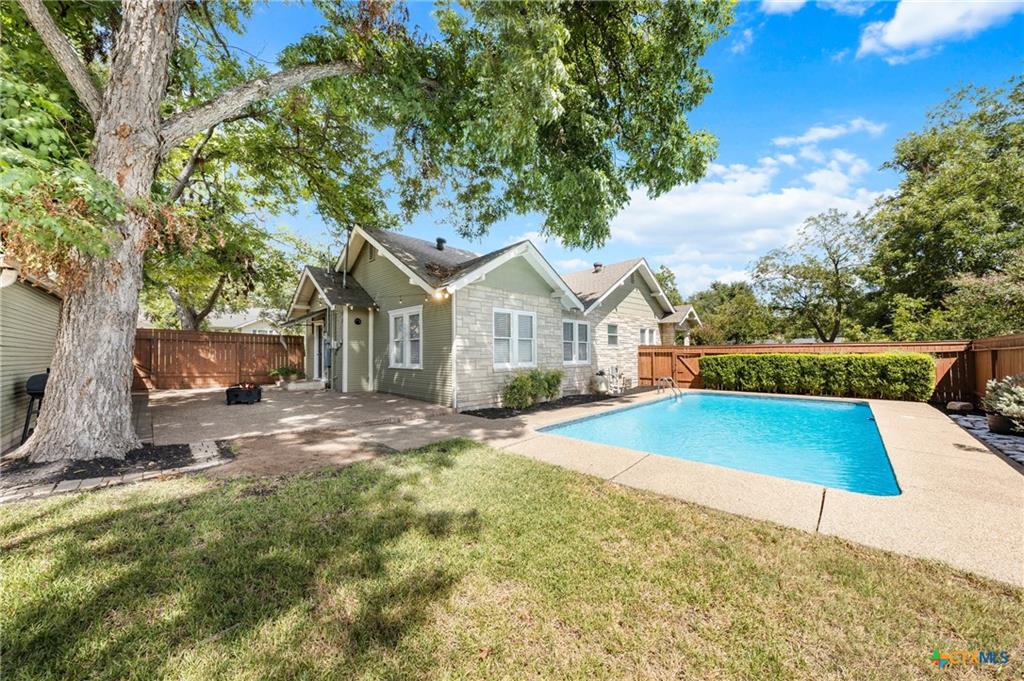
Taylor Dasch tells every buyer considering the North Central Temple Historic District to run "The Coffee Test" before making an offer. Drive to the district on a Saturday morning. Park on North 3rd or North 5th Street. Walk to First Street Roasters on South 1st Street for a pour-over, or head to 1914 Coffee House for espresso. Time the walk. Notice the tree canopy, the porch conversations, the absence of sound walls and strip-mall traffic. The walk takes twelve to fifteen minutes. The experience tells you more about daily life in the North Central Temple Historic District than any listing description ever will.
Downtown Temple's commercial revival has added restaurants, specialty retail, and civic events within walking distance of the historic district. This walkability is the compound advantage: residents of the North Central Temple Historic District access downtown amenities on foot while maintaining the privacy and scale of a single-family residential neighborhood. No other neighborhood in Temple offers this combination at any price point.
What Does Life Actually Look Like Inside Temple's Historic Homes?
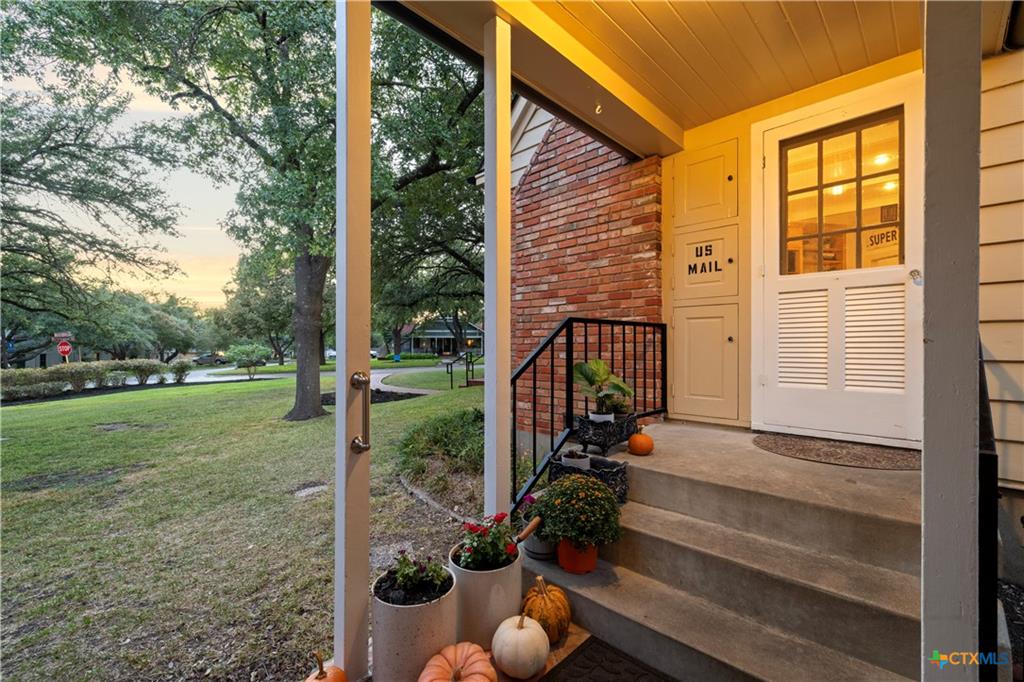
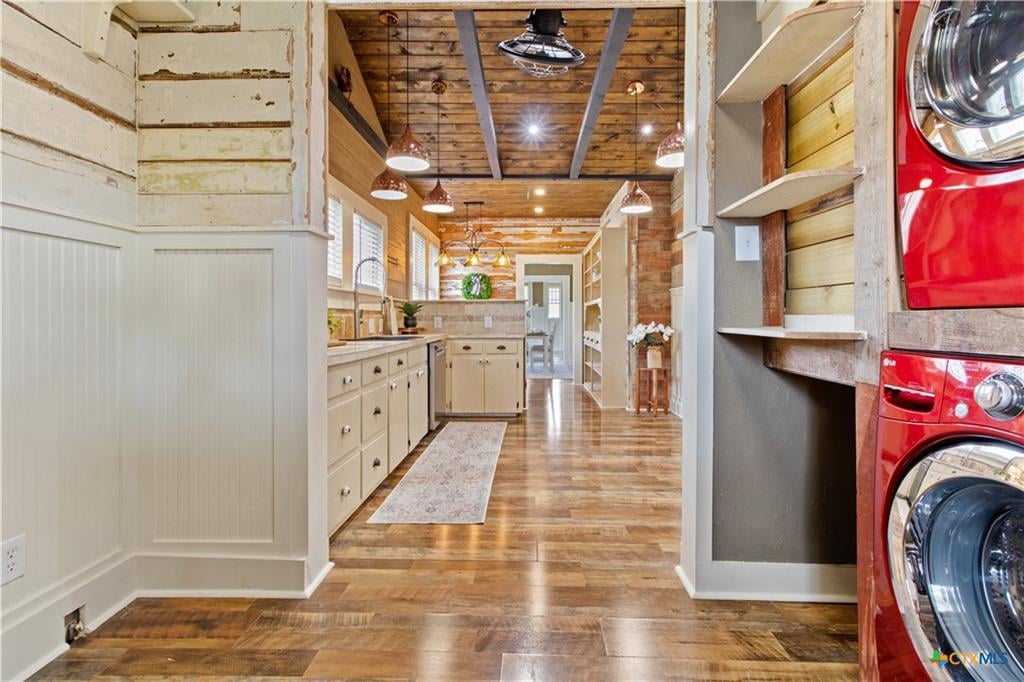
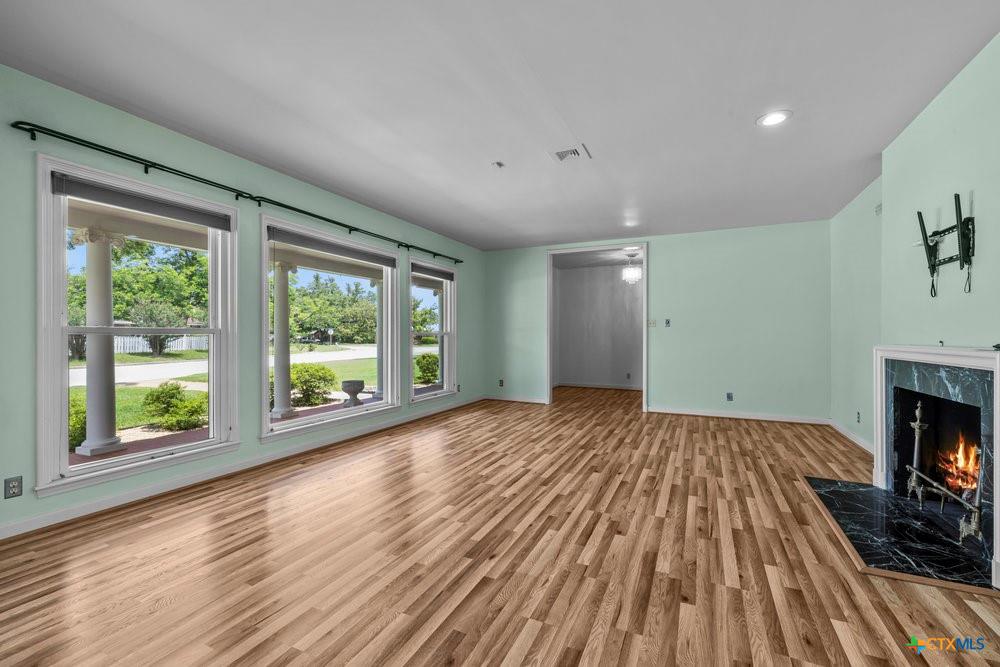
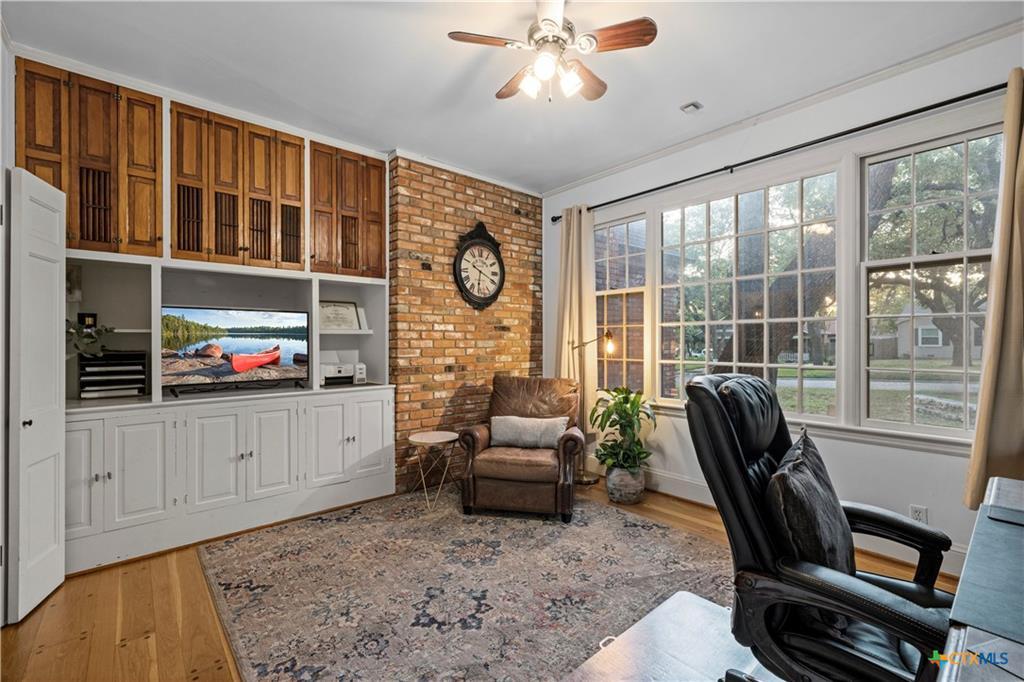
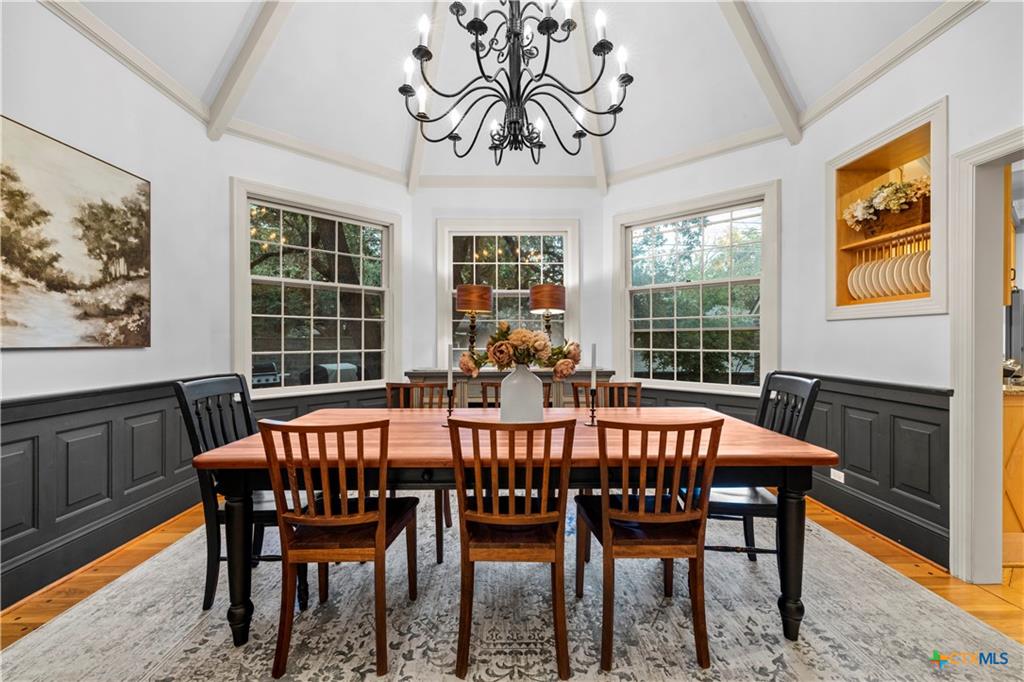
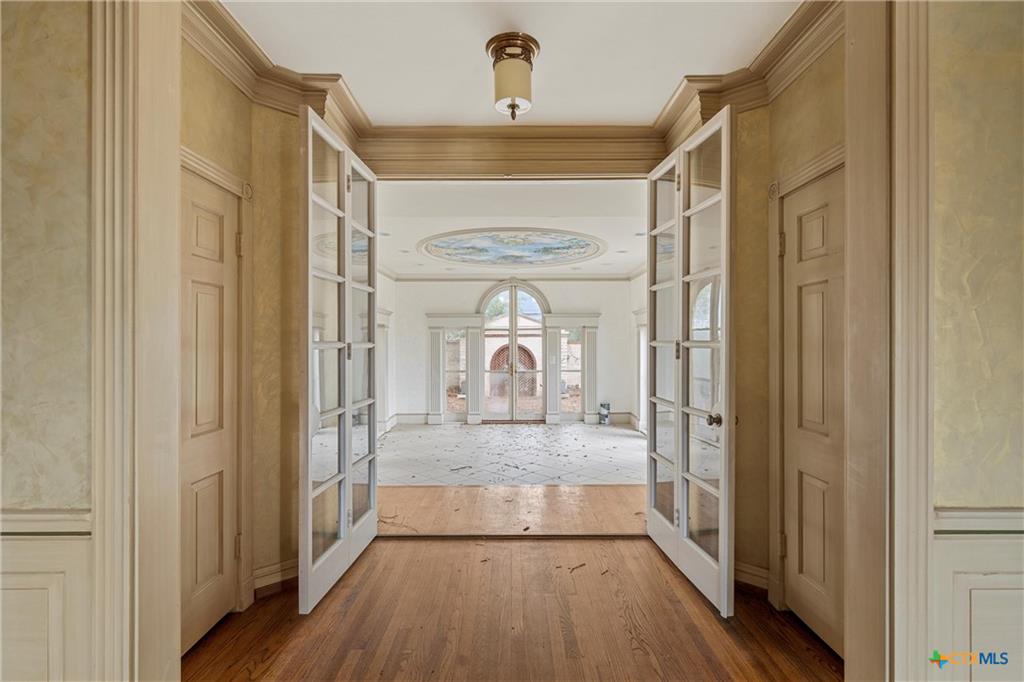
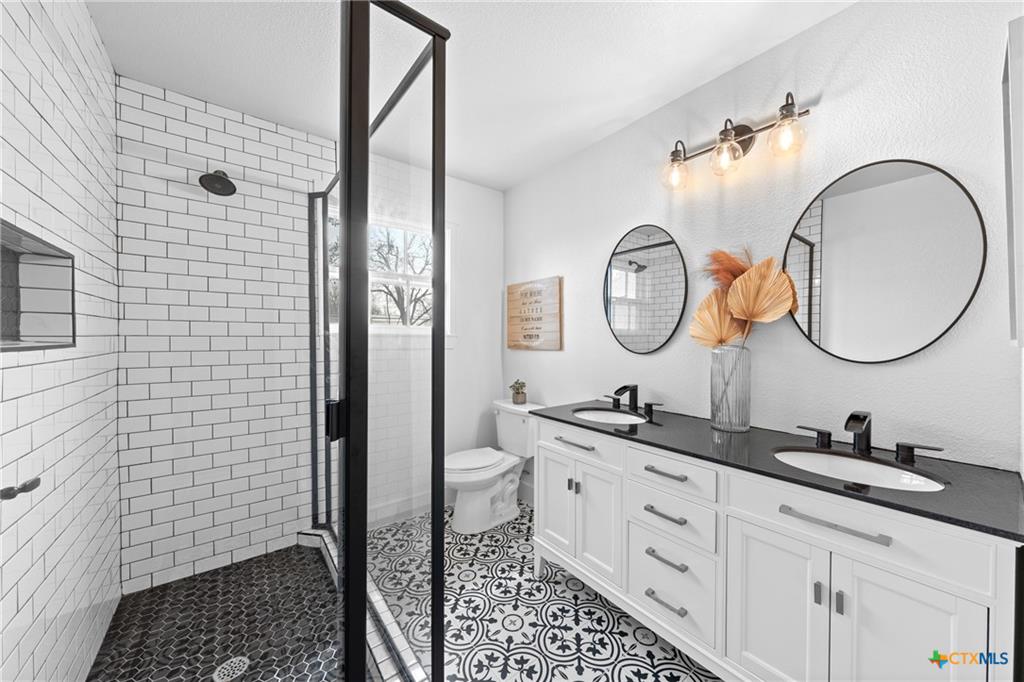
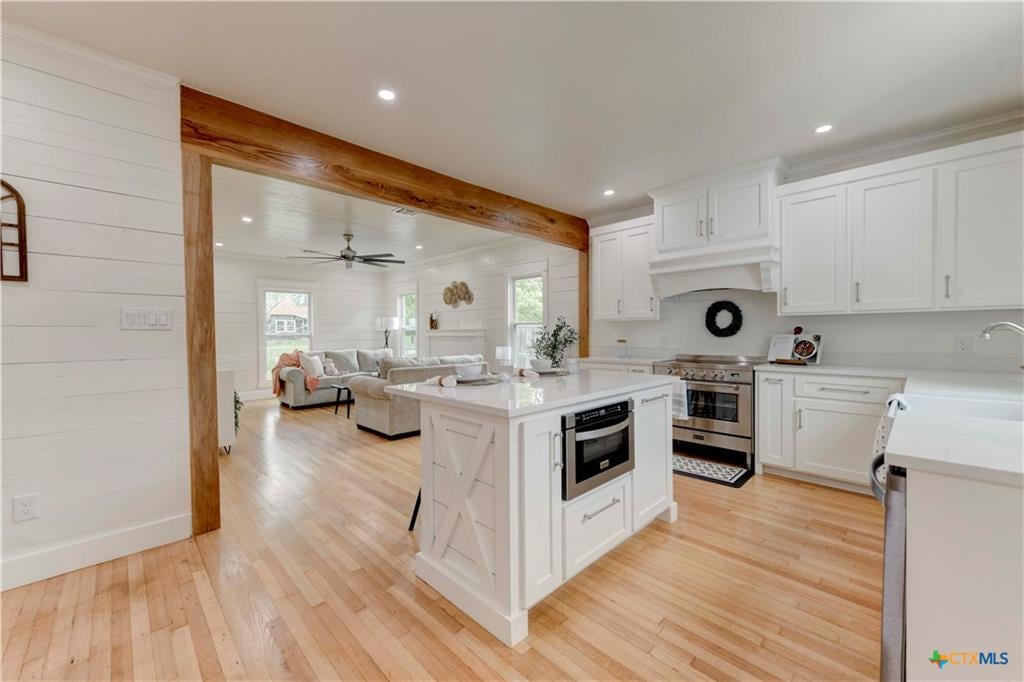
The following photographs document the range of interiors and exteriors found within the North Central Temple Historic District. These are not staged model homes. They represent the authentic condition of the district's housing stock, from original details to thoughtful modern renovations that preserve the architectural character while updating mechanical systems and living spaces for contemporary use.
What Questions Do Buyers Ask Most About Temple's Historic District?
Where exactly is the historic district in Temple, TX?
What architectural styles are found in the North Central Temple neighborhood?
How much do historic homes cost in Temple, Texas?
Is it harder to sell a historic home in Temple?
Do I get a tax break for buying a historic home in Bell County?
Are there specific tax credits for investors buying historic rentals in Temple?
What is a Certificate of Appropriateness in Temple, TX?
Can I change the exterior paint color of my historic house in Temple?
Are foundation problems common in older Temple homes?
Is it hard to insure an older house in Temple, Texas?
Is the North Central historic neighborhood walkable to downtown Temple?
Should first-time buyers purchase historic homes in Temple?
Who Should and Should Not Buy in the North Central Temple Historic District?
The North Central Temple Historic District is a long-term capital commitment, not a liquid financial instrument, and not every buyer belongs here. The 144-day average days on market confirms that exit strategies must be measured in months, not weeks. The Blackland Prairie Vertisol clay beneath every foundation in the district operates on geological timescales that no inspection can fully predict. The regulatory framework governing exterior modifications adds timeline friction that investors in modern subdivisions never encounter. This is the honest calculus.
This District Is Built For You If:
- You are a BSW physician or medical professional prioritizing a sub-six-minute commute over suburban convenience
- You are a preservation buyer who views homeownership as architectural stewardship, not passive consumption
- You are a capitalized buy-and-hold investor leveraging the 20%+25% historic tax credit on income-producing properties
- You are a step-up buyer seeking 1,700-1,800 sqft of remodeled space at 1,300-sqft new-build pricing
- You are a retiree (65+) accessing the school tax freeze in a walkable, established neighborhood
- You maintain a maintenance reserve 15-20% higher than modern-home owners
- You can absorb a $15,000-$25,000 foundation event without financial distress
Look Elsewhere If:
- You need to sell within 90 days for any foreseeable reason in the next five years
- You want perfectly level floors, modern insulation values, and zero-maintenance exteriors
- You are unwilling to navigate the Certificate of Appropriateness process for any exterior change
- You expect blanket tax credits simply for owning a "historic" home as an owner-occupant
- You lack the cash reserves to handle simultaneous foundation and plumbing failures
- You want cheap property insurance from a standard national carrier
- You are a flipper targeting a timeline under 120 days from close to resale
The construction quality inherent in properties built before 1940 is functionally impossible to replicate at modern replacement costs. Old-growth lumber framing with tighter grain and higher density than modern dimensional lumber provides structural resilience that no production builder can match. Custom millwork, authentic masonry, and period hardware retain intrinsic value independent of market cycles. Academic studies confirm that official historic district designation reliably supports and enhances residential property values over time because the supply constraint is permanent: no new historic homes can be built.
For the right buyer, the North Central Temple Historic District offers an asset class that outperforms, a location that cannot be replicated, and an architectural inheritance that grows more valuable with each decade. For the wrong buyer, it offers foundation bills, insurance fights, and a property that takes five months to sell. Know which buyer you are before you write the offer.
Request a Historic Home Risk Analysis
Taylor Dasch provides a fiduciary-level assessment of any historic property in the North Central Temple Historic District. Foundation risk evaluation, CapEx projections, insurance pathway, tax credit eligibility, and honest market positioning. No sales pitch. Just the numbers.

Explore more Temple neighborhoods: Bella Terra · Lake Pointe · Legacy Ranch · Prairie Ridge · BSW Relocation Guide