How to Set Up a Furnished Finder Rental in Temple, TX
A Landlord's Guide to Mid-Term Rentals Near Baylor Scott & White
How Do I Set Up a Furnished Finder Rental in Temple, TX?
To set up a Furnished Finder mid-term rental in Temple, Texas, landlords pay a $199 annual listing fee and optimize their property for 30+ day stays, directly targeting the 12,000+ regional employees and rotating medical residents at Baylor Scott & White Medical Center. By strictly enforcing a 30-day minimum lease using integrated tools like KeyCheck, Temple landlords legally classify tenants as "permanent residents," securing a full exemption from the 15% combined local and state Hotel Occupancy Tax (HOT) applied to short-term rentals. Furnished 3-bedroom homes in Temple currently list between $2,500 and $4,300+ per month on the platform—a 100-185% premium over unfurnished long-term rents of $1,020 to $1,500.
- Furnished Finder charges $199/year flat—zero booking commissions to landlord, zero service fees to tenant
- Temple MTRs (30+ days) pay 0% Hotel Occupancy Tax vs 15% for short-term rentals under 30 days
- BSW Temple employs 12,000+ regionally with rotating resident cohorts arriving every July
- Furnished 3BR homes in Temple list $2,500–$4,300+/month vs $1,020–$1,500 unfurnished
- KeyCheck screening costs the applicant $44.99—not the landlord
- Baselane Smart provides 2-day ACH rent payouts with AI-powered bookkeeping
Why Is Temple, TX a Top-Tier Market for Mid-Term Rentals?
Temple is not a speculative MTR play. The demand is institutional, cyclical, and recession-resistant—driven by a 640-bed teaching hospital, the largest active-duty military installation in the Western Hemisphere. Three distinct demand engines feed the Temple mid-term rental pipeline year-round.
The Baylor Scott & White Demand Engine
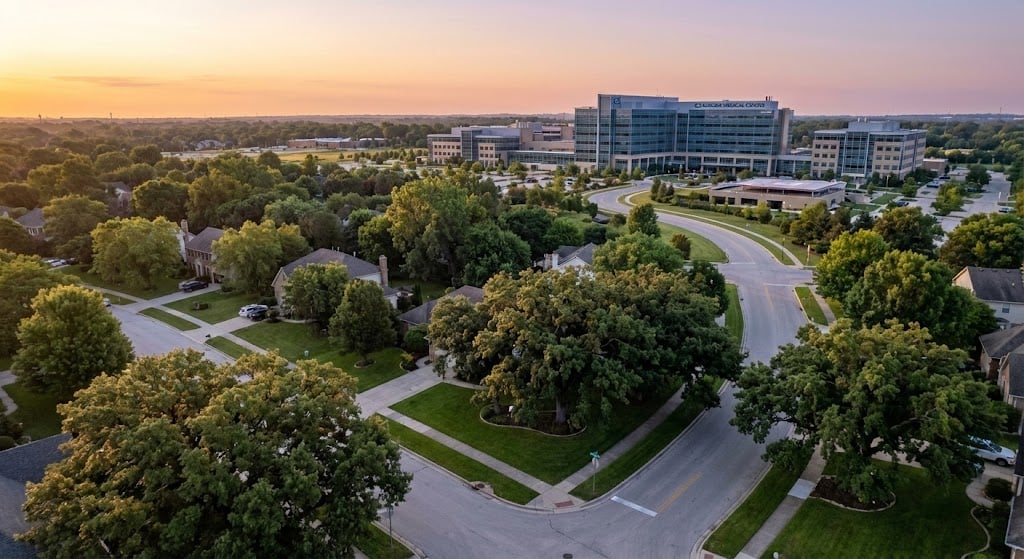
Baylor Scott & White Medical Center—Temple is a 640-bed Level I trauma center and the primary teaching hospital for the Texas A&M Health Science Center. The system employs over 12,000 workers regionally across its Temple and surrounding campuses. That headcount alone would justify a mid-term rental strategy, but the real engine is the institutional rotation cycle built into medical education.
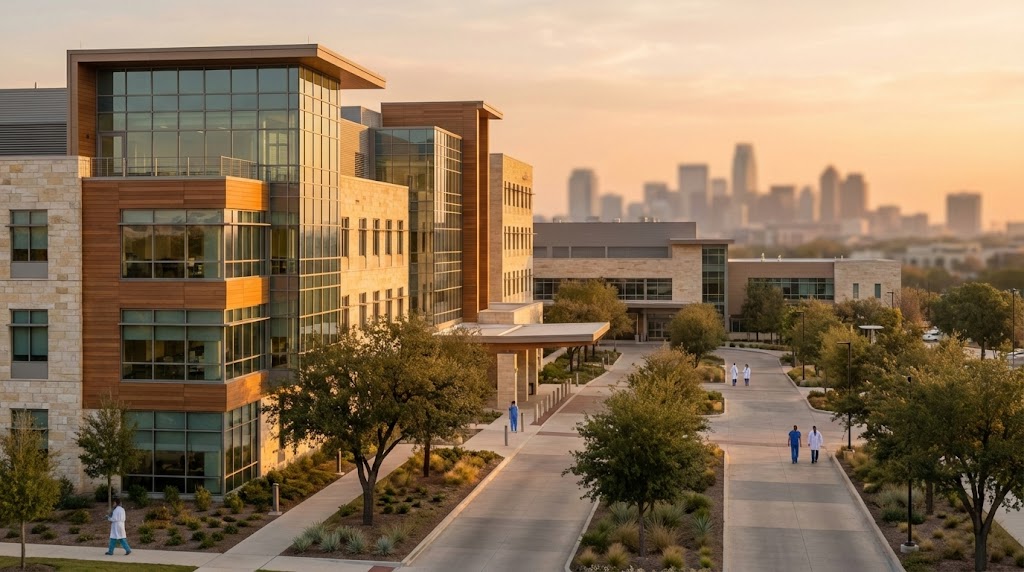
BSW Temple operates dozens of residency and fellowship programs spanning internal medicine, surgery, emergency medicine, family medicine, cardiology, and multiple subspecialties. The national Match Day occurs in mid-March each year, and the moment results drop, newly matched residents enter a 90-day housing sprint. They need housing secured by July 1—the universal residency start date—and the vast majority do not want to buy a home in a city they have never lived in. Mid-term furnished rentals are their default solution.
Beyond residents, BSW Temple continuously cycles travel nurses on 13-week (approximately 90-day) contracts. These contracts align with the standard Furnished Finder lease window. Relocating physicians and hospital executives also use MTRs for 60-to-120-day stays while house-hunting in a market they are unfamiliar with. The demand is not seasonal in the traditional sense—it has a peak (March through July) and a steady baseline (August through February) that rarely drops to zero.
Fort Cavazos Spillover and the Military Value Program
Fort Cavazos (formerly Fort Hood) is approximately 30 minutes from central Temple. It is the largest active-duty armored post in the U.S. military, and its constant Permanent Change of Station (PCS) cycles generate a continuous pipeline of incoming soldiers, contractors, and DoD civilians who need temporary housing.
The Housing Services Office (HSO) at Fort Cavazos operates the Military Value Program (MVP), which directly connects incoming military personnel and defense contractors with furnished off-post housing options. Landlords who register with the MVP can receive referrals for tenants whose Basic Allowance for Housing (BAH) covers or nearly covers the monthly rent. For reference, an E-6 with dependents at Fort Cavazos receives $1,920/month in BAH as of 2026—sufficient to cover a furnished 2BR in many Temple neighborhoods, or a significant portion of a 3BR lease.
PCS moves happen year-round but concentrate in the summer months (June through August), creating a secondary demand peak that overlaps with the BSW residency cycle. This overlap is what makes Temple's MTR market structurally stronger than markets that rely on a single demand source.
The Displaced Homeowner Demand
A secondary but lucrative tenant segment comes from homeowners displaced by insurance claims. When a Temple home suffers significant damage from storms, fire, or plumbing failures, the homeowner's Additional Living Expense (ALE) coverage under their homeowner's insurance policy pays for temporary furnished housing while repairs are completed. These tenants are not price-sensitive—they are spending insurance money, not their own. ALE-funded stays typically run 60 to 180 days, fitting the MTR model precisely. While you cannot build a business plan solely around displaced homeowners, they fill vacancy gaps between contracted medical tenants and represent a reliable supplementary income stream.
How Does Furnished Finder Work for Temple Landlords in 2026?
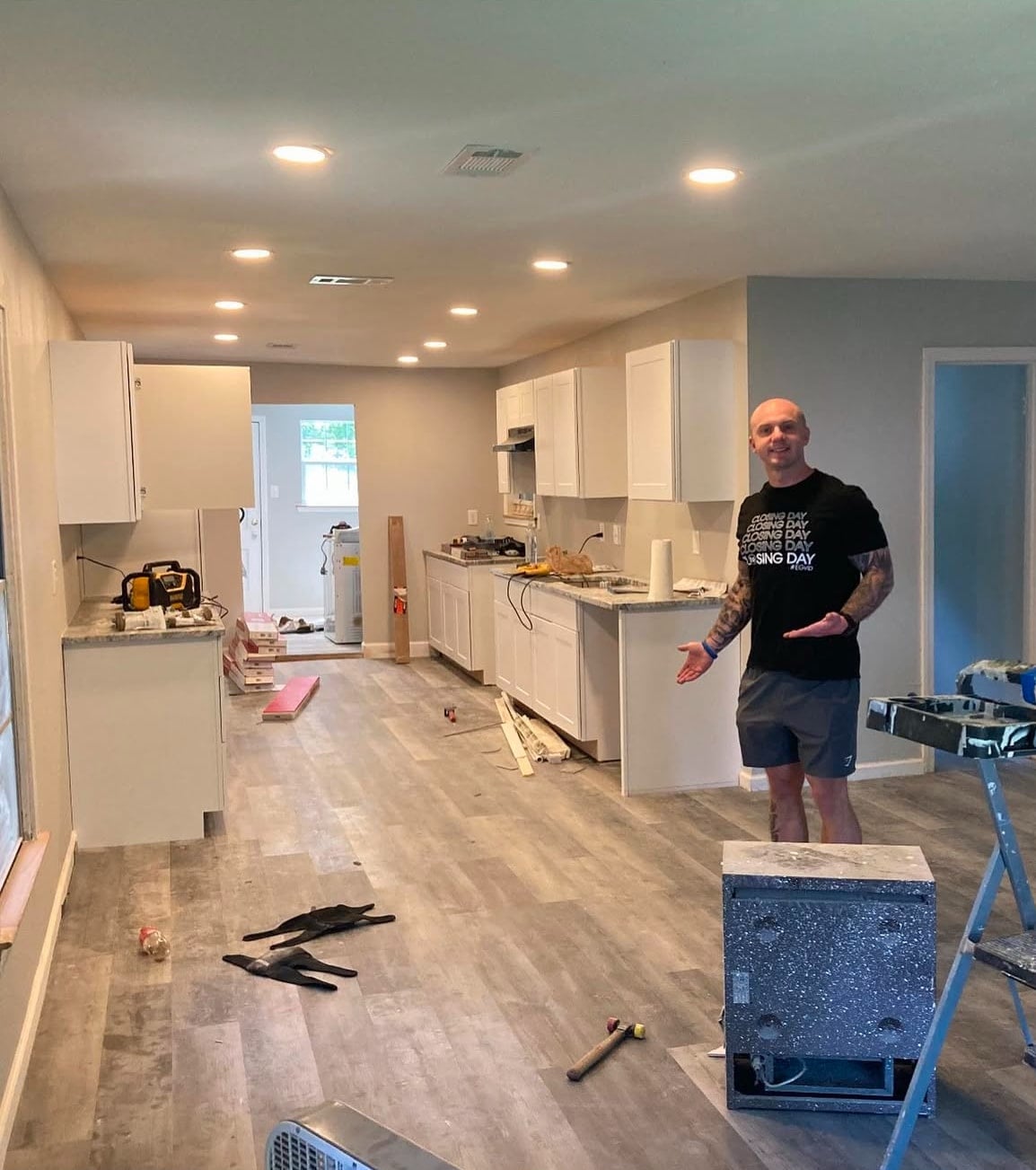
Furnished Finder is fundamentally different from Airbnb, VRBO, or any Online Travel Agency (OTA). Understanding this distinction is the first step to operating profitably on the platform.
Flat Fees vs. OTA Commissions
Furnished Finder charges landlords a flat $199 per year per listing. That is the total platform cost. There are zero booking commissions, zero transaction fees, and zero service fees charged to the tenant. Compare this to Airbnb, which typically takes 3% from the host plus 14-17% from the guest (effectively a 15-20% drag on the transaction), or VRBO, which charges similar rates. On a single 13-week travel nurse contract at $3,000/month, the Airbnb fee structure would cost approximately $1,350 to $1,800 in combined commissions. On Furnished Finder, you pay $199 for the entire year—regardless of how many bookings you secure.
Furnished Finder operates as a directory model, not an OTA model. The platform connects landlords with tenants and provides screening and payment tools, but the landlord retains full control over pricing, lease terms, communication, and the tenant relationship. There is no algorithm suppressing your listing for declining a booking. There is no dynamic pricing override. You set your terms and negotiate directly.
Tenant Screening with KeyCheck
KeyCheck is Furnished Finder's sister screening platform, integrated directly into the landlord dashboard. When a prospective tenant inquires about your property, you can request a KeyCheck screening report. The critical detail: the applicant pays the $44.99 screening fee, not the landlord. The report includes a credit check, criminal background check, and eviction history, and results are typically available within 24 to 48 hours.
For Temple landlords, KeyCheck screening is non-negotiable. Travel nurses and medical residents almost always pass clean—they have professional income and institutional affiliations. But the occasional inquiry from a non-medical tenant warrants full screening. The $0 cost to you removes any excuse for skipping due diligence.
Automating Rent Collection with the Baselane Smart Integration
As of February 2026, Furnished Finder replaced Stripe with Baselane Smart as the default rent collection integration for new landlord sign-ups. Existing Stripe users can continue their accounts, but new users are directed to Baselane. This matters because Baselane Smart offers capabilities that go well beyond simple payment processing.
New Furnished Finder landlords receive a free 1-year Baselane Smart subscription (a $240 value). The platform provides 2-day ACH rent payouts—faster than the standard 3-to-5-day ACH window most landlords experience. Beyond rent collection, Baselane Smart includes AI-powered bookkeeping with automated receipt matching, custom income and expense categorization, and deposit management tools. For landlords operating multiple MTR properties, this integration eliminates the need for a separate bookkeeping system. State-specific electronic leases (E-leases) are also available through the KeyCheck portal, enabling landlords to execute compliant Texas lease agreements without a separate document platform.
What Are the Legal and Tax Rules for Mid-Term Rentals in Temple?
This is where most Furnished Finder guides fail. They gloss over the tax implications with a line like "check your local laws." Here is the precise legal framework that governs mid-term rentals in Temple, Texas, as of March 2026.
The 15% Hotel Occupancy Tax Trap
Any rental of a furnished dwelling in Texas for fewer than 30 consecutive days is classified as a Short-Term Rental (STR) and is subject to the Hotel Occupancy Tax (HOT). In Temple, the combined HOT rate is 15% of gross receipts, broken down as follows: 6% Texas State HOT, 7% City of Temple HOT, and 2% Bell County HOT. This is not a marginal rate applied to profit—it is applied to gross rental income. On a $3,000 monthly rent, that is $450 per month in tax liability. This is the single most important number in the Temple MTR equation, because every dollar of HOT avoided by maintaining 30+ day leases flows directly to net operating income.
How Do Temple Landlords Secure the 30-Day Permanent Resident Exemption?
Texas Tax Code Section 156.101 provides that a person who has the right to use or possess a room for at least 30 consecutive days is classified as a "permanent resident" and is fully exempt from Hotel Occupancy Tax. The exemption is total: 0% state, 0% city, 0% county. But the exemption hinges on documentation.
To claim the permanent resident exemption, the landlord must have a written lease or reservation agreement that confirms the tenant's intent to stay 30 or more consecutive days at the time of check-in. A signed lease agreement with a 30+ day term satisfies this requirement. Without written documentation of the 30-day intent, Texas law requires the landlord to collect HOT for the first 30 days and then refund the tax on day 31. This creates a cash flow complication and a compliance headache that is entirely avoidable with proper lease documentation.
Texas Comptroller Form 12-302 (Hotel Occupancy Tax Exemption Certificate) exists as a formal exemption document, but a signed lease clearly stating the 30+ day term is generally sufficient as proof of the permanent resident exemption. The lease is your primary defense in an audit.
If a tenant signs a 90-day lease but breaks it and moves out on day 28, the stay legally reverts to a Short-Term Rental under Texas law. The landlord immediately becomes liable to remit the 15% Hotel Occupancy Tax for those 28 days—out of pocket. On a $3,000/month rent, that is a $420 tax bill that materializes with zero notice. Always secure the first month's rent and a sufficient security deposit upfront to protect against early termination.
Texas Property Code and Security Deposits
Texas does not impose a statutory maximum on the amount a landlord may charge as a security deposit. For mid-term rentals—particularly furnished properties with $8,000 to $15,000 in furniture and appliances—a deposit equal to one month's rent is standard, but a higher deposit is legally permissible if justified by the asset value.
Under Texas Property Code Chapter 92, the landlord must return the security deposit (or provide an itemized list of deductions) within 30 calendar days after the tenant surrenders the property and provides a written forwarding address. Failure to comply within the 30-day window exposes the landlord to liability for three times the deposit amount plus $100 in statutory damages, plus reasonable attorney's fees. On a furnished MTR with a $3,000+ deposit, non-compliance is an expensive mistake.
| STR (<30 Days) | MTR (30+ Days) | |
|---|---|---|
| State HOT | 6% | 0% (Exempt) |
| City of Temple HOT | 7% | 0% (Exempt) |
| Bell County HOT | 2% | 0% (Exempt) |
| Total Tax Burden | 15% | 0% |
| Permit Required | Check local ordinance | No |
| Lease Required | Varies | Yes (critical for exemption) |
What Are the Real Economics of a Temple Mid-Term Rental?
The rent premium on furnished mid-term rentals in Temple is real, but it is not free money. Operating expenses are materially higher than a standard long-term rental, and the landlords who fail to underwrite those costs accurately are the ones who end up underwater.
Expected Rents for Furnished Homes in Bell County
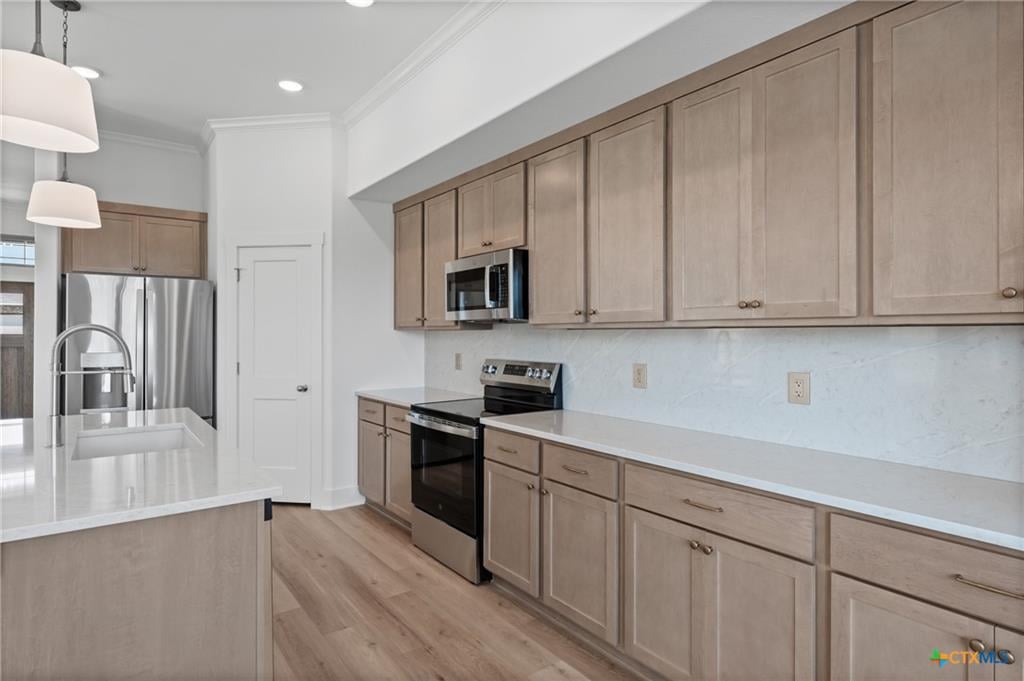
Unfurnished long-term rental (LTR) rents in Temple currently range from $1,020 to $1,500 per month for a standard 3-bedroom home, depending on location, condition, and proximity to BSW. The furnished mid-term rental (MTR) market commands a significant premium: 3-bedroom furnished homes list between $2,500 and $4,300+ per month on Furnished Finder, while 2-bedroom units list between $1,800 and $2,300 per month.
The premium depends on three factors: asset quality (updated kitchens and bathrooms command higher rents than dated properties), BSW proximity (properties within 10 minutes of the medical center consistently outperform those further out), and furnishing quality (a properly staged MTR with quality furniture, blackout curtains, and a premium mattress rents for 15-25% more than one furnished with discount furniture). The $2,500 floor assumes a clean, adequately furnished home in a decent location. The $4,300+ ceiling reflects newer construction, premium furnishings, and a 5-to-8-minute commute to BSW.
| Property Type | LTR Rent | MTR Rent | Premium |
|---|---|---|---|
| 2BR Home | $900–$1,200 | $1,800–$2,300 | +80–100% |
| 3BR Home | $1,200–$1,500 | $2,500–$4,300+ | +100–185% |
What Should Temple MTR Landlords Budget for Utilities, Insurance, and Vacancy?
On a mid-term rental, the landlord covers all utilities. This is not optional—it is a market expectation on Furnished Finder. Travel nurses and medical residents are not setting up utility accounts for a 90-day stay. Budget for electric ($150–$250/month depending on season and home size), water and trash ($60–$90/month), internet ($60–$80/month for the high-speed service medical tenants require for charting), and streaming services ($15–$30/month). Total utility budget: $285 to $450 per month, with summer electric bills on the higher end due to Central Texas heat.
Insurance is the expense most new MTR landlords underestimate or ignore entirely. A standard homeowner's insurance policy does not cover a property used for commercial rental operations. If a travel nurse trips on a stair and files a claim, and the insurer discovers the property is operating as a furnished rental, the claim can be denied. Landlords need a specialized MTR or landlord insurance policy. These policies typically run 15-30% more than standard homeowner's coverage but are non-negotiable for liability protection. Get a quote from a carrier that explicitly covers furnished mid-term rental operations—not a standard landlord policy that assumes unfurnished LTR tenants.
Do not underwrite a mid-term rental assuming 100% occupancy. Budget for a 10% to 15% vacancy buffer to account for the dead time between 13-week travel nurse contracts or shifting residency cycles. A 3-bedroom home listed at $3,200/month with a 12% vacancy buffer effectively generates $2,816/month in annualized income. That is still a significant premium over the $1,200–$1,500 LTR baseline, but it is a fundamentally different number than the $3,200 headline figure that amateur investors fixate on.
What Is the Step-by-Step Process to Set Up a Furnished Finder Listing in Temple?
Setting up a profitable Furnished Finder listing is not a weekend project. It requires deliberate property selection, targeted furnishing, and listing optimization designed for the specific tenant pool in Temple. Here is the operational playbook.
Which Temple Neighborhoods Should MTR Investors Target?
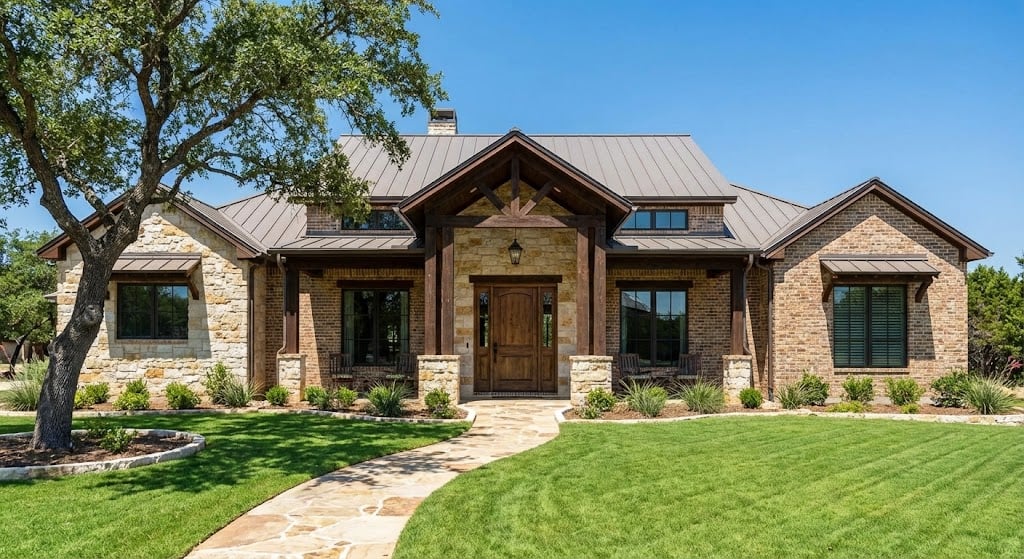
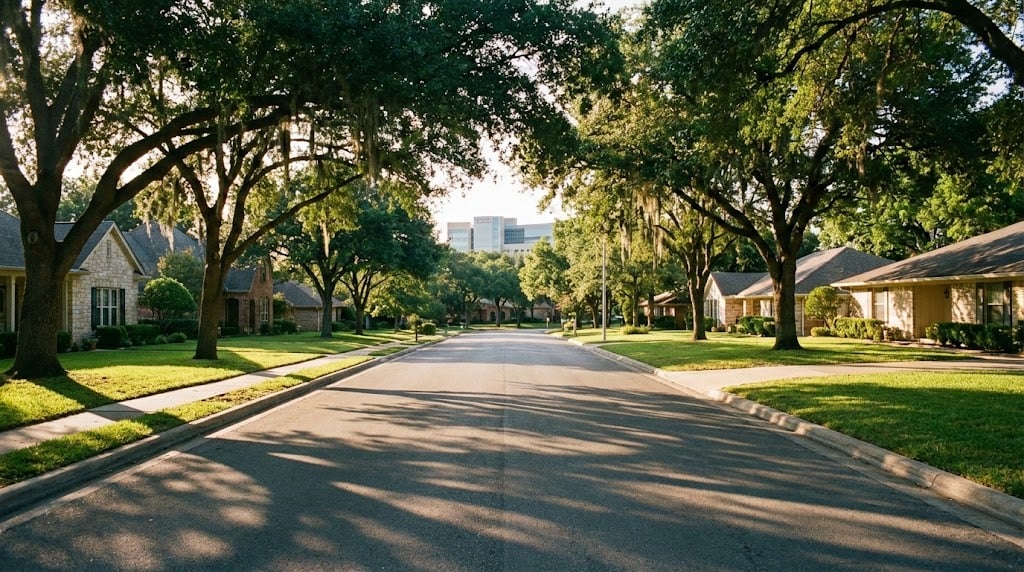
Wyndham Hill: 5 to 8 minutes to BSW Main Campus. Sidewalk-friendly streets, established neighborhood feel, and consistently high demand from medical tenants. This is the default recommendation for first-time Temple MTR investors. Properties here rarely sit vacant for more than 2 weeks between contracts during peak season.
Bella Terra & West Temple: 8 to 12 minutes to BSW. Newer construction with open floor plans that photograph well and require less deferred maintenance. Slightly lower price-per-square-foot than Wyndham Hill, offering better entry points for investors focused on cash-on-cash returns.
Lakewood Ranch & Parks at Westfield: 10 to 15 minutes to BSW. These neighborhoods provide accessible entry points with home prices $20,000 to $40,000 below Wyndham Hill comparables. The slight commute increase is a non-issue for tenants with vehicles, though it does narrow your appeal slightly for travel nurses who value walkable proximity.
Canyon Creek / TMED: 5 to 7 minutes to BSW, locationally optimal. However, investors must verify specific addresses for FEMA flood risk—pockets of this area carry a 4% to 10% flood risk designation, which affects both insurance costs and tenant comfort. Do not buy in Canyon Creek without pulling the flood determination certificate for the specific parcel.
Properties on Loop 363 or I-35 frontage: Avoid. Travel nurses working the night shift must sleep during the day. Road noise from major arterials is the single most common complaint in negative MTR reviews. It will kill your occupancy rate and your review score.
What Amenities Do Travel Nurses and Medical Residents Require?
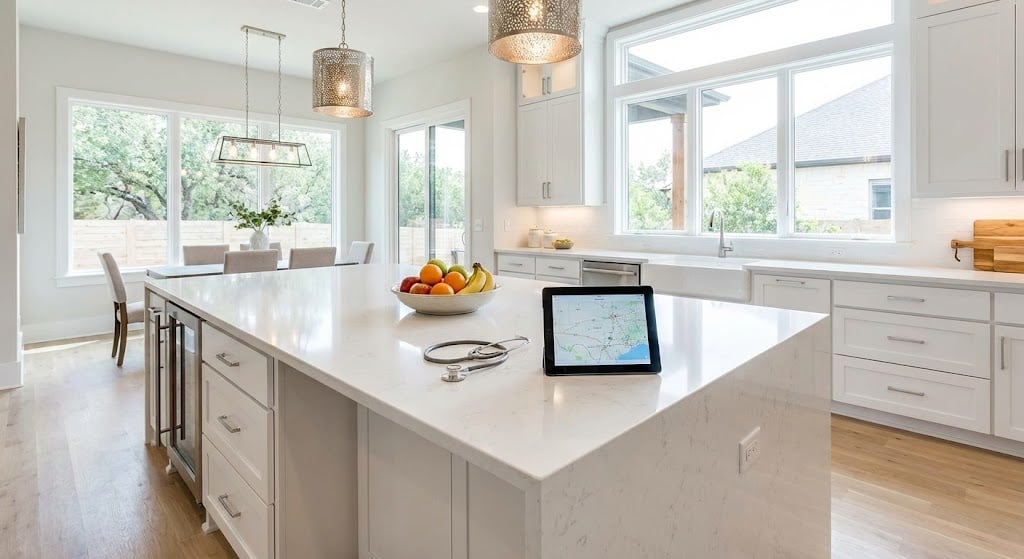
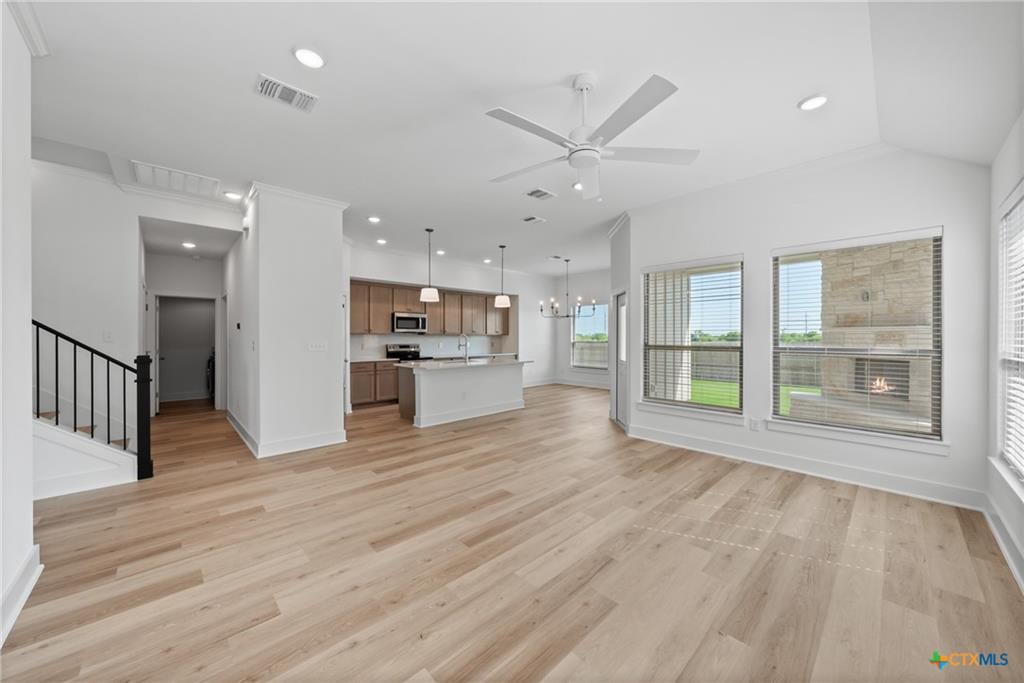
True blackout curtains are non-negotiable. Not blackout-lined curtains from a big-box store—actual multi-layer blackout panels that eliminate 99%+ of light. Travel nurses working the night shift at BSW Temple must sleep at noon in Central Texas sun. This is the single most impactful amenity investment you can make, and it costs under $200 per bedroom.
A premium mattress is the second most cited feature in positive travel nurse reviews. A 12-inch memory foam or hybrid mattress in queen or king size. Budget $400 to $800 per bed. The per-unit cost is trivial against the monthly rent, and it directly affects tenant retention and review quality.
High-speed Wi-Fi (minimum 200 Mbps) is essential, not optional. Medical professionals chart patient records from home, attend virtual meetings, and access hospital systems remotely. Unreliable or slow internet is a deal-breaker, not an inconvenience.
Additional requirements: in-unit washer and dryer (not shared, not coin-operated), secure off-street parking (garage preferred), and pet-friendly terms with a non-refundable pet deposit. Allowing pets with a $250 to $500 non-refundable deposit significantly increases your lead volume—a substantial percentage of travel nurses travel with pets, and the non-refundable structure protects against damage while expanding your tenant pool.
Prepare a welcome binder for each tenant: BSW parking routes and badge office location, nearest grocery stores (H-E-B on S 31st St and the Belton H-E-B), trash pickup schedule, emergency contacts (plumber, electrician, HVAC), Wi-Fi password, smart lock instructions, and your direct phone number for maintenance requests.
How Do You Craft a High-Converting Furnished Finder Listing?
Your listing title is the single most important conversion element. Use this formula: "[X] Min to BSW / [Beds]BR / [Key Feature] / Pet Friendly." Example: "7 Min to BSW / 3BR / Blackout Curtains + Home Office / Pet Friendly." Travel nurses scanning Furnished Finder results make split-second decisions based on commute time and key amenities. Front-load both.
Professional photography is not optional. Hire a real estate photographer ($150–$250) and ensure they capture the workspace, kitchen, and bedroom with blackout curtains drawn and open. Bright, well-lit photos of functional spaces outperform glamour shots of empty rooms. Include a photo of the exterior showing off-street parking and exterior lighting—safety is a priority for tenants arriving at unfamiliar addresses late at night.
In your listing description, state the commute time to BSW in the first line. Disclose all fees upfront: cleaning fee (if any), pet deposit amount, and utility inclusion. Transparency in the listing eliminates back-and-forth messaging and accelerates bookings. Mention smart locks and exterior lighting—these are security signals that increase conversion rates, particularly among female travel nurses who represent the majority of the Furnished Finder tenant pool.
Travel nurses working the night shift at BSW Temple must sleep at noon. Installing true, high-quality blackout curtains and providing a white noise machine in the bedroom will dramatically increase your positive reviews and tenant retention. This $220 investment per bedroom is the highest-ROI amenity upgrade in the entire MTR furnishing budget.
What Are the Biggest Risks for Furnished Finder Landlords in Temple?
Every Furnished Finder guide on the internet sells the upside. Here are the six ways Temple MTR landlords actually lose money.

Overpricing based on Airbnb nightly rates. New investors look at Airbnb nightly rates in Temple ($120–$180/night), multiply by 30, and assume they can charge $3,600–$5,400/month on Furnished Finder. That math is wrong. Travel nurse housing stipends and military BAH rates set the effective ceiling on MTR pricing. An E-6 with dependents receives $1,920/month in BAH. A travel nurse's housing stipend in Temple typically falls between $2,000 and $3,200/month. Price your listing against what tenants can actually pay, not what Airbnb's dynamic pricing algorithm suggests for a Saturday night in October.
HOT audit exposure from missing lease documentation. If the Texas Comptroller audits your rental income and you cannot produce a signed lease confirming 30+ day intent at check-in, you are liable for the full 15% Hotel Occupancy Tax on every stay—retroactively. This is not a theoretical risk. Comptroller audits of short-term rental operators in Texas have increased since 2023. A signed lease is your insurance policy.
Insurance gaps from standard homeowner policies. If a tenant or guest is injured in your furnished rental and your insurer discovers the property is operating commercially, the claim will be denied. You will be personally liable. Specialized MTR insurance costs more, but the alternative is financial exposure that can exceed the property's value.
HOA pushback on minimum lease durations. Several Temple HOAs have CC&Rs that restrict rentals to minimum 6-month or 12-month lease terms. A 90-day Furnished Finder lease may violate these restrictions. Review the CC&Rs for any prospective investment property before closing—not after. An HOA violation can result in daily fines, forced lease termination, or legal action.
Generic listing copy that fails to convert. "Beautiful home with lovely finishes near the hospital" tells a travel nurse nothing. Utility-driven copy wins: "Quiet cul-de-sac for day-sleeping, 200 Mbps for charting, 7 minutes to BSW main entrance, blackout curtains in every bedroom." Every word in your listing should answer a specific concern of your target tenant.
Bad location on a noisy arterial. Properties on Loop 363, I-35 frontage roads, or major commercial corridors generate noise complaints from day-sleeping night-shift workers. One bad review mentioning road noise will suppress your listing's conversion rate for months. Location selection is the first and most consequential decision in the MTR setup process.
Taylor's Take

I have underwritten and operated mid-term rentals in Temple, and the numbers work—but only if you underwrite them honestly. The spread between LTR and MTR rents looks enormous on a spreadsheet. A $1,300 LTR versus a $3,200 MTR is a $1,900/month premium that makes any investor's pulse quicken. But that premium comes with real costs: $300–$450/month in utilities you are now covering, $200–$400/month in additional insurance, $8,000–$15,000 in upfront furnishing costs, and the management intensity of turning units every 90 days instead of every 12 months.
What most agents and online guides miss about Temple's MTR market is the cyclicality. The BSW residency Match Day in mid-March creates a 90-day booking window that is the single most important revenue period of the year. If your listing is not live, optimized, and competitively priced by March 15, you have missed the primary demand event. The July-through-September period is strong due to overlapping residency starts and military PCS moves. October through February is your soft season—not dead, but vacancy rates climb and you may need to adjust pricing 10–15% to maintain occupancy.
The detail nobody publishes: BSW's internal housing coordinator informally refers travel nurses and new residents to properties they have received positive feedback on. There is no formal referral program, but word-of-mouth within the hospital system functions as one. Landlords who maintain clean, well-furnished properties and respond to maintenance requests within 24 hours build a reputation that generates repeat bookings without platform marketing. I have seen landlords with zero Furnished Finder marketing fill properties exclusively through BSW word-of-mouth after their first year of operations. That organic pipeline is worth more than any listing optimization.
My honest advice: start with one property in Wyndham Hill or Bella Terra, furnish it properly (do not cut corners on the mattress or the blackout curtains), price it at $2,800–$3,200 for a 3BR, and treat the first year as a learning year. You will make mistakes on utility budgeting and turnover timing. That is fine. The market fundamentals are strong enough to absorb first-year operator errors. But do not scale to your second property until you have a full year of operational data on the first one.
Want to run the numbers on a specific deal? Text Taylor directly →
What the Big Sites Won't Tell You
Match Day → July 1 Housing Sprint
The national residency Match Day in mid-March triggers a 90-day housing search sprint among hundreds of newly matched BSW residents. This institutional timeline is invisible to platforms like Zillow and Realtor.com. Landlords who have optimized listings live by March 15 capture the highest-quality, longest-term tenants of the year.
The Exact 15% HOT Penalty Breakdown
Most guides say "check your local tax rules." Here is the breakdown no one explains correctly: 6% State + 7% City of Temple + 2% Bell County = 15% total on gross receipts for any stay under 30 days. On a $3,000 rent, that is $450/month in taxes you owe if your lease documentation fails. The signed lease is not paperwork—it is a $5,400/year liability shield.
Baselane Smart Replacing Stripe (2026)
As of February 2026, new Furnished Finder landlord sign-ups are directed to Baselane Smart instead of Stripe for rent collection. Existing Stripe accounts remain active, but the platform's tech stack has shifted. Baselane offers 2-day ACH payouts, AI bookkeeping, and automated receipt matching—capabilities that Stripe's basic payment processing did not provide.
Fort Cavazos MVP Program
The Housing Services Office at Fort Cavazos operates the Military Value Program (MVP), a direct referral pipeline connecting incoming military personnel and defense contractors with furnished off-post housing. Most real estate blogs do not mention this program because it operates outside public-facing platforms. Registering with the MVP is free and generates leads that do not compete with Furnished Finder's tenant pool.
ALE Insurance Displaced Homeowners
When a Temple homeowner's property is damaged (storms, fire, plumbing), their Additional Living Expense (ALE) insurance coverage pays for temporary furnished housing. These tenants are not price-sensitive—they are spending insurance money. ALE stays typically run 60 to 180 days and fill vacancy gaps between contracted medical tenants. No competing guide identifies this as a secondary demand pipeline.
BSW Internal Housing Referrals
BSW's housing coordinator informally tracks which furnished rentals receive positive feedback from residents and travel nurses. There is no public-facing directory, but landlords who maintain high-quality properties and fast maintenance response times build an organic referral pipeline within the hospital system that can eventually replace platform-dependent marketing entirely.
BSW Residency Housing Sprint Timeline
The annual demand cycle that drives Temple's MTR market. Landlords who align listing optimization with this timeline capture the highest-quality tenants at peak rates.
Results released nationally
Residents actively searching
Contracts finalized
Residency programs begin
+ Military PCS overlap
Travel nurse contracts fill gaps
New Match Day results
MTR vs LTR Cash Flow Calculator
Adjust the purchase price to see estimated monthly cash flow for a long-term rental versus a mid-term Furnished Finder rental in Temple. All assumptions based on Bell County 2026 market data.
Frequently Asked Questions
Local Rules & Taxes
Does Temple, TX require a special permit to operate a Furnished Finder mid-term rental?
Do I have to pay Hotel Occupancy Tax (HOT) in Temple for a mid-term rental?
What happens if a Furnished Finder tenant leaves my Temple property before 30 days?
How do I prove to Bell County that my rental is tax-exempt?
What is the maximum occupancy for a rental property in Temple, TX?
How long does a landlord have to return a security deposit in Texas?
Furnished Finder Platform Mechanics
How much does it cost a landlord to list on Furnished Finder in 2026?
Does Furnished Finder charge booking or service fees to the tenant?
How do I screen a tenant on Furnished Finder?
How do landlords collect rent on Furnished Finder?
Can I use Stripe to collect rent on Furnished Finder?
How quickly does Baselane deposit rent into a landlord's account?
Do I need a written lease for a Furnished Finder tenant?
Can I list my property on both Airbnb and Furnished Finder?
Temple & BSW Market Demand
Are travel nurses the only tenants on Furnished Finder in Temple?
When is the peak season for medical resident housing in Temple?
What neighborhoods in Temple are best for Baylor Scott & White staff?
Is Canyon Creek a good neighborhood for a mid-term rental?
How does the Fort Cavazos Military Value Program (MVP) work for landlords?
What is the average rent for an unfurnished home in Temple, TX?
What is the average rent for a furnished mid-term rental in Temple, TX?
Setup & Operations
What specific amenities do travel nurses look for in Temple, TX?
Do I need special insurance for a mid-term rental in Texas?
Who pays for utilities on a Furnished Finder lease?
Should I allow pets in my Temple mid-term rental?
Do I need an LLC to rent a house on Furnished Finder?
What should a landlord include in a MTR welcome binder?
How do I underwrite vacancy for a mid-term rental?
Are mid-term rentals subject to HOA rules in Temple?
How do I handle maintenance requests from a Furnished Finder tenant?
Ready to Build Your Temple MTR Portfolio?
Get a no-obligation analysis of any Temple property's MTR potential—actual rents, real expenses, honest projections.