Real Deals. Real Numbers.
Real Losses Too.
6 Temple TX investment deals broken down with actual purchase prices, rehab costs, and returns. Including the flip that lost $16K — because publishing your losses is how investors know you’re telling the truth.
Temple TX investment deals produce approximately 17% average ROI across flips, BRRRR, mid-term rentals, buy-and-hold, and creative strategies. That number includes early mistakes and a $16K+ loss on a flip — because the real average matters more than cherry-picked wins. Below are 6 deals Taylor Dasch has personally invested in or managed, each broken down with actual purchase prices, rehab costs, timelines, and honest assessments of what went right and wrong.
What does a real investment deal in Temple TX actually look like?
A typical Temple TX investment deal involves purchasing a property between $96K and $137K, investing $25K-$50K in rehab, and either renting for $1,550-$1,850/month or selling for a profit. Returns vary significantly by strategy and execution quality — experienced investors target 6%-9% annual ROI on buy-and-holds, while flips and BRRRR deals can exceed 25% or lose money depending on comp accuracy, contractor quality, and market timing.
- Buy-and-hold rentals in Temple cash flow $300-$450/month after financing at current rates
- Mid-term rentals near Baylor Scott & White produce significantly higher cash flow than LTR on the same property
- Flip profits range from $50K+ (918 N 13th) to -$16K (River Oaks) — comp accuracy is everything
- BRRRR works in older neighborhoods where purchase + rehab is well below appraisal value
- Rehab budgets in Temple should include 20-30% contingency for foundation ($7,800+) and plumbing ($8,600+)
- Sub-to and creative strategies have netted $16K+ more than traditional sales on the same property
If you’re looking for guaranteed returns, passive income with zero effort, or an agent who tells you every deal is a home run — this is the wrong page. These case studies include real losses and real mistakes. Temple TX is a strong investment market, but only if you underwrite correctly and work with someone who has done the math wrong before and learned from it.
The Portfolio at a Glance
Aggregate numbers across all Temple TX investment deals — wins, losses, and everything in between.
~17%
6
$96K–$137K
$25K–$50K
$1,550–$1,850
-$16K
The Deal Breakdowns
Filter by strategy or scroll through all six deals. Each includes actual numbers, honest assessments, and the lesson that made the next deal better.
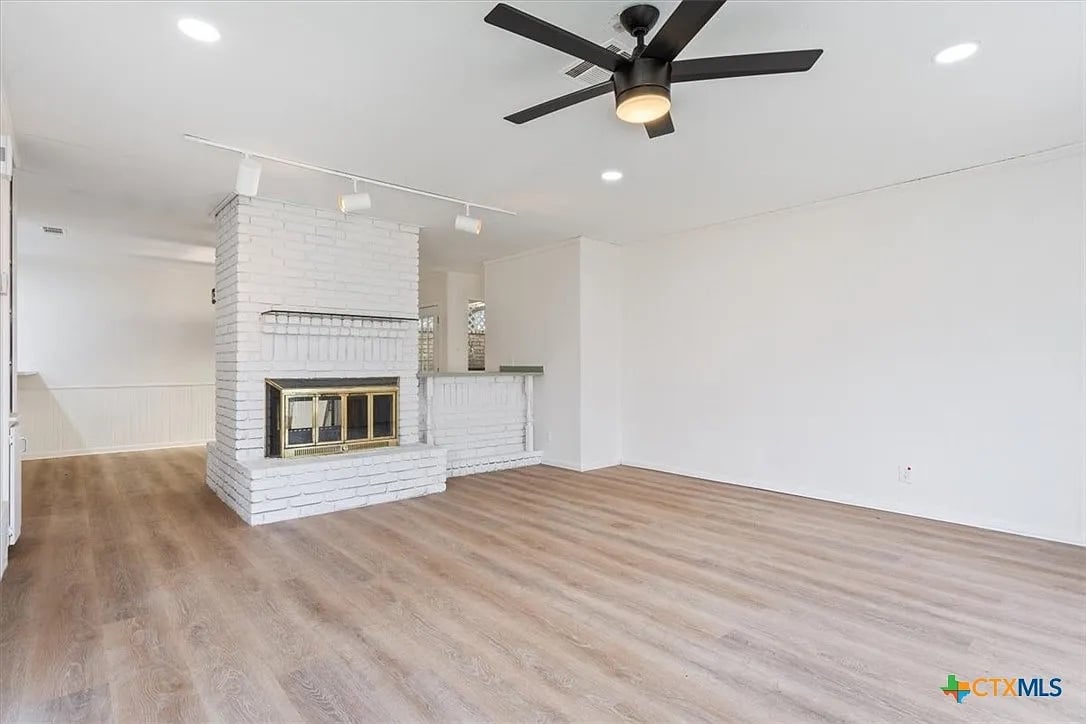
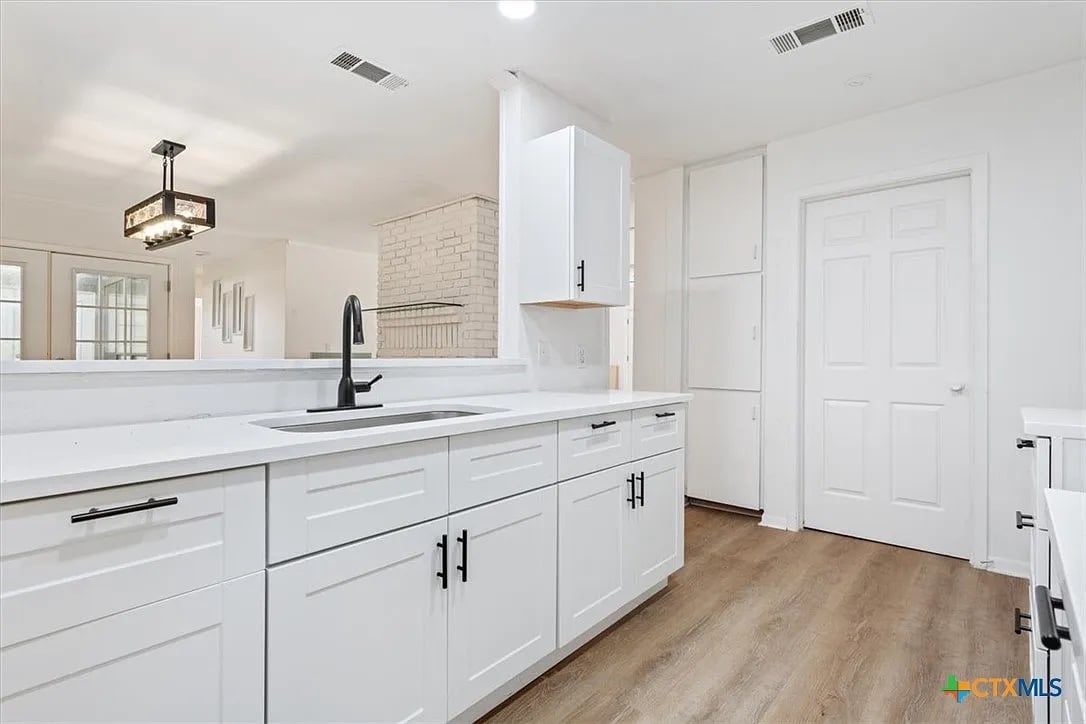
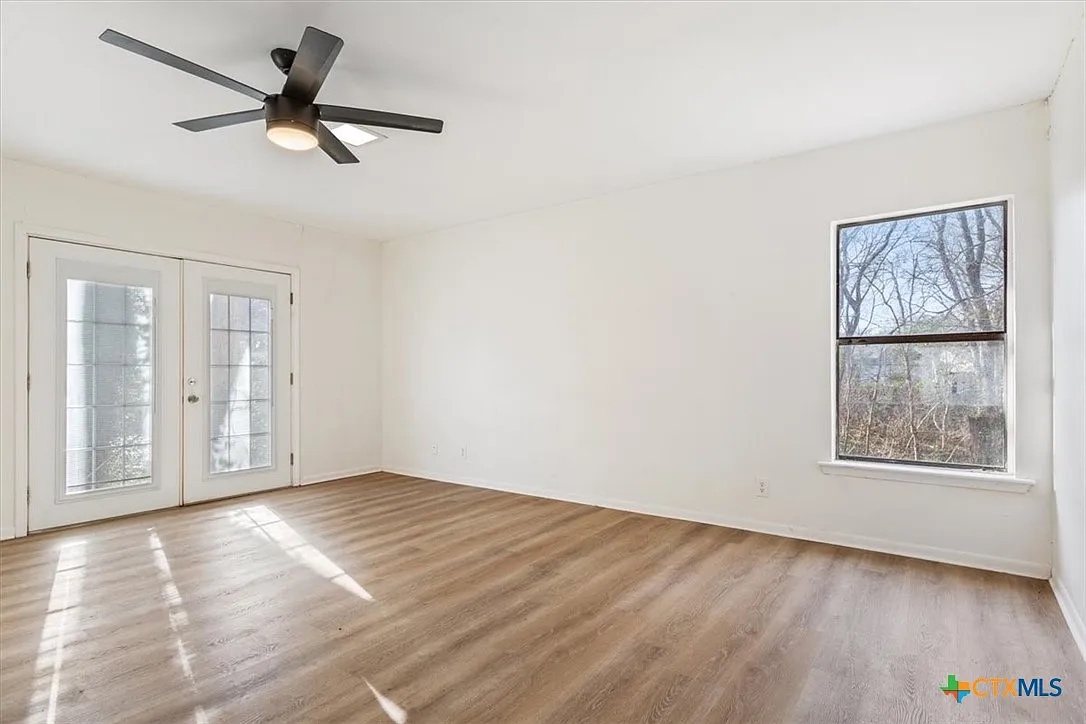
3807 River Oaks Cir
“The Expensive Lesson”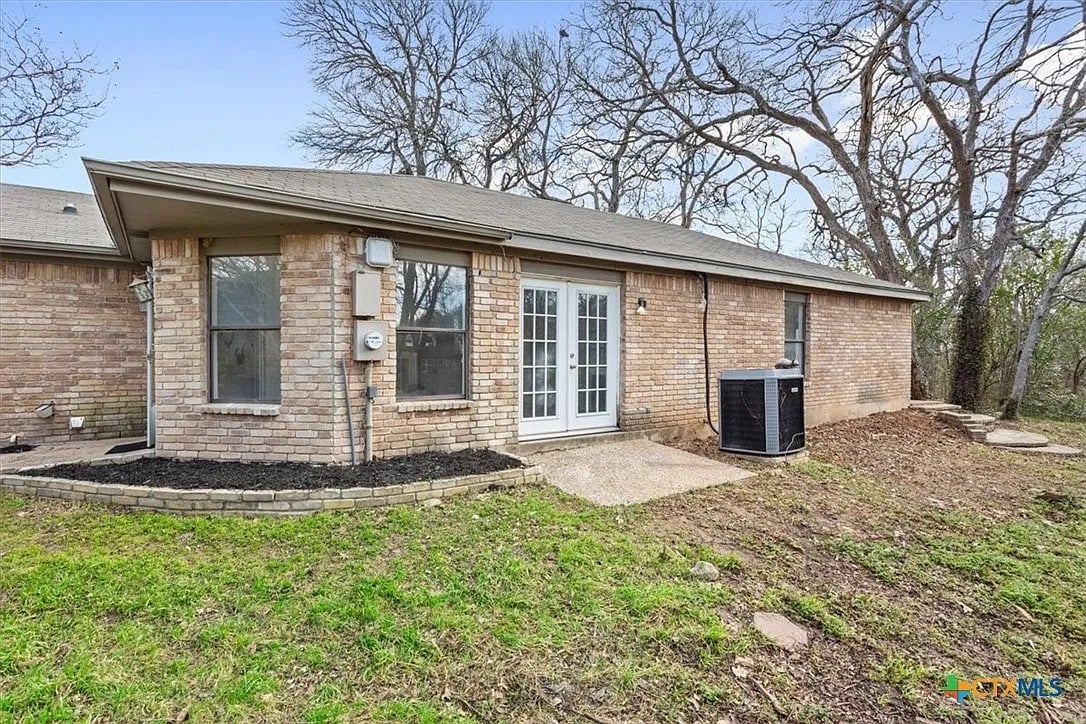
The Story
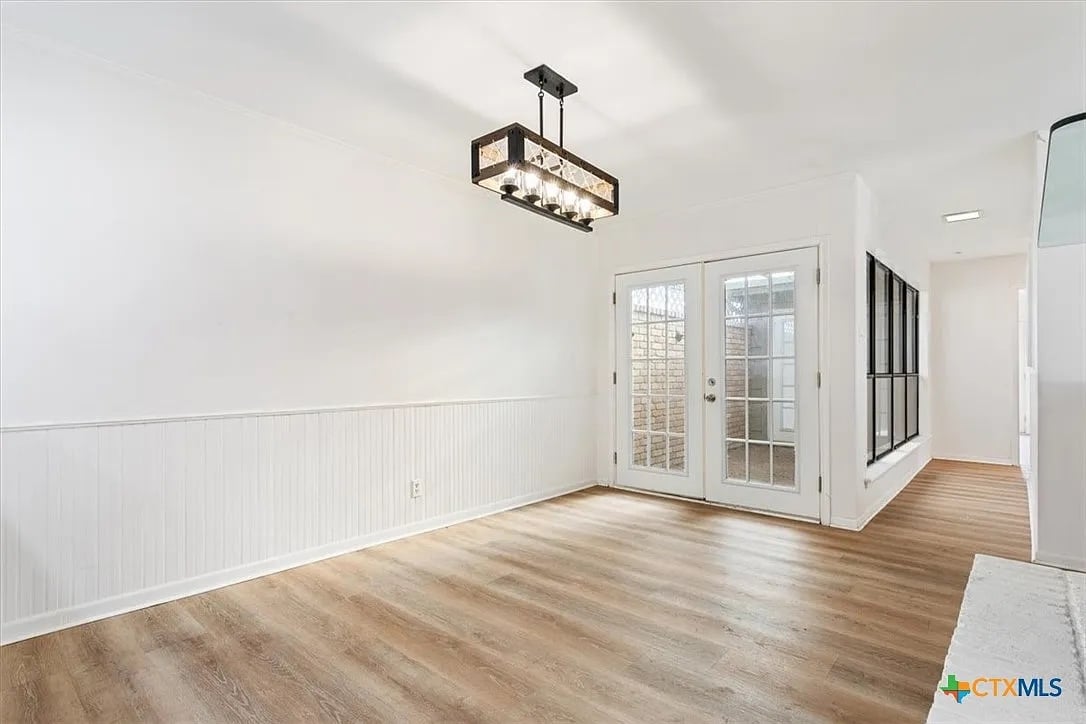
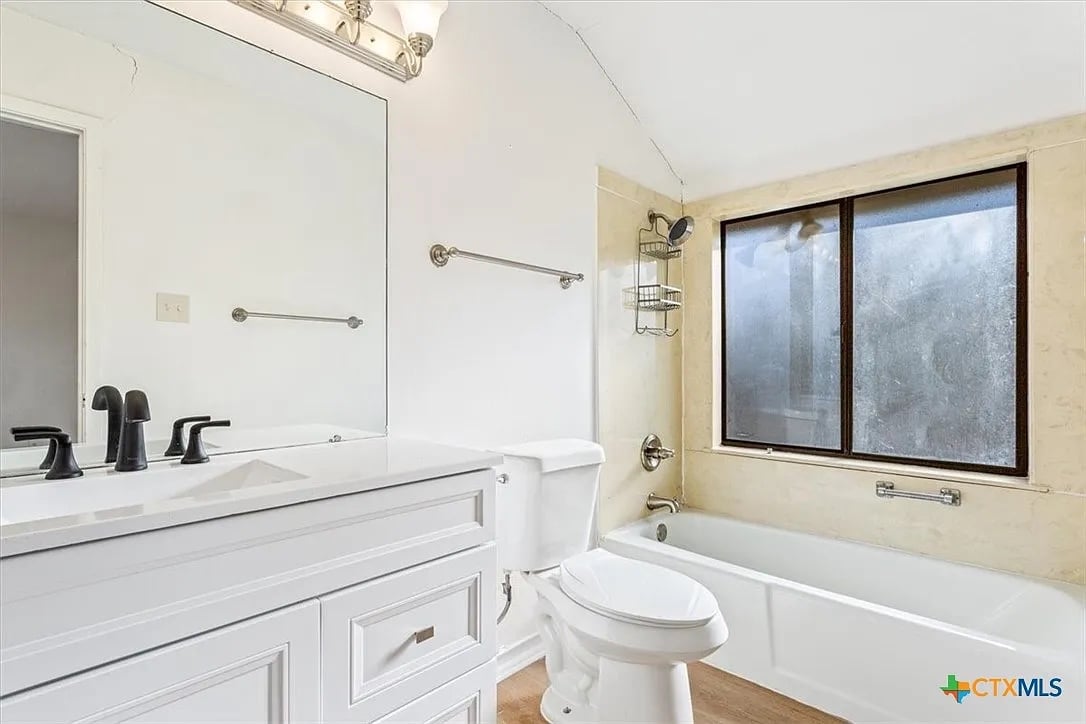
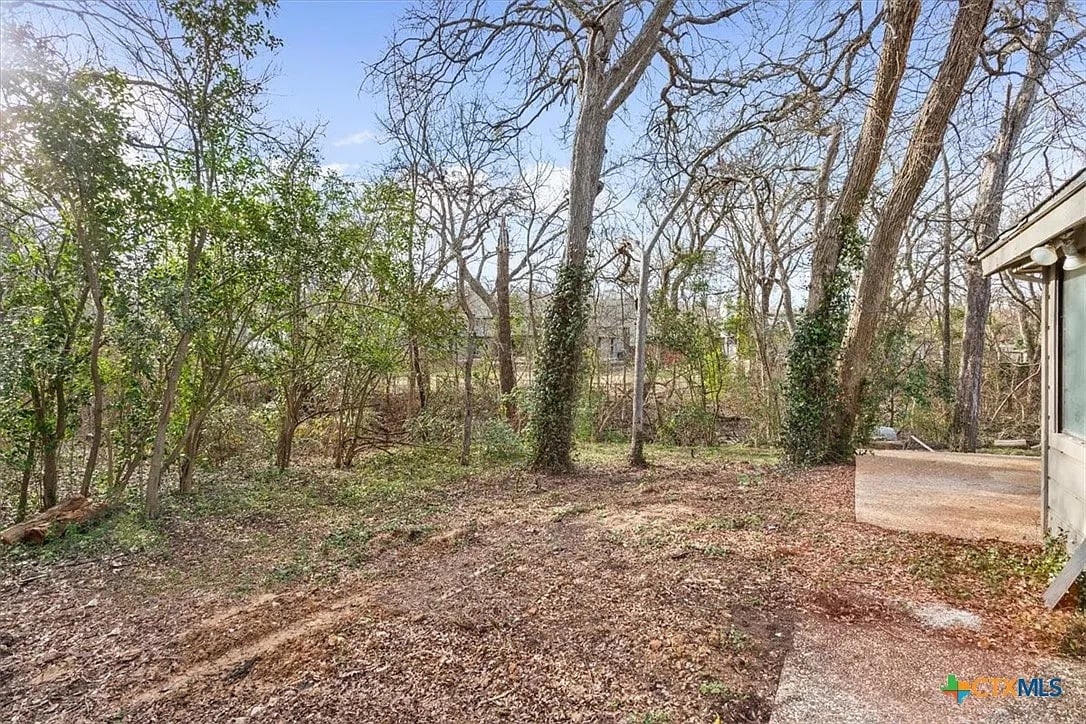
Off-market lead from mass texting. Probate situation. Purchased for $120K with a $35K cosmetic rehab plan. Then the inspection revealed $7,800 in foundation work and $8,600 in plumbing — $16,400 in unplanned costs before a single cosmetic update.
Listed at $215K. Dropped to $210K. Then $200K. Got a contract at $195K — which fell through because the buyer’s dad was concerned about the foundation (even though it had been repaired and passed inspection). Relisted at $190K. Eventually sold for approximately $178K.
Timeline: 4+ months on market. Total cost all-in was well over $170K. Net loss: approximately $16,000+.
What Went Right
- Found a true off-market deal through hustle (mass texting)
- Probate sellers are motivated — got a good purchase price
- Completed the rehab and got the property to market
What Went Wrong
- 2/2 comped against probable 3/2s — bed/bath count matters more than you think
- Foundation that LOOKS bad kills deals even when inspection is clean
- Had offers at $200K early and held out for full profit — should have taken them
- $16,400 in unplanned foundation + plumbing costs destroyed the margin
A foundation that passes inspection can still kill a deal if it doesn’t LOOK right to a nervous buyer. First-time homebuyers see cracks and walk — they don’t read the engineer’s report. See the flip from a buyer’s eyes, not yours.
Lost $16K+. But this deal taught two lessons worth far more: take early offers when the spread is thin, and never comp a 2/2 against 3/2s. Every deal Taylor underwrites today runs through these filters first.
5122 Sam Houston Dr
“The California Connection”The Story
Adam and Brianna — out-of-state investors from California. They wanted a Temple TX buy-and-hold. Taylor was filming YouTube content in the Cimarron subdivision, walked this property, and immediately sent it to them. It was slightly above their target price range, but the numbers worked.
Purchased under asking with closing costs paid. 2021 build, beautifully remodeled. Taylor’s mom handled the furnishing for $3,000-$3,300. Renting at $1,850/month with strong cash flow and solid appreciation potential in one of Temple’s best-performing subdivisions.
What Went Right
- YouTube content led directly to finding this deal — content creates deal flow
- Newer build (2021) means minimal maintenance surprises
- Cimarron is a proven rental market with strong tenant demand
- Under asking + closing costs paid = strong basis from day one
- Low furnishing cost created immediate rent-readiness
What To Watch
- OOS investors need strong local boots on the ground — this worked because Taylor managed the process end-to-end
- Property was above the original target — sometimes stretching the budget is correct, but it requires discipline on the numbers
Sometimes the best deal finds YOU while you’re doing content for another property. Taylor was filming YouTube videos in Cimarron, walked this house, and knew immediately it fit his OOS investors. Being active in the market — physically present — creates opportunities that MLS alerts never will.
A clean OOS investor buy-and-hold. Strong cash flow, a 2021 build in a proven subdivision, and a purchase basis below asking. This is what a “boring, good” investment looks like — the kind that compounds quietly for 15 years.
1805 S 7th St
“The Over-Rehab”The Story
Taylor’s first true investment property (not a nomad play). Couldn’t find an investor-friendly agent — didn’t know what to look for. Paid full asking price of $125K on a property that had been sitting for 100 days with a fresh price reduction. Should have negotiated. Didn’t.
Locked a 3.25% investor loan rate. Started the rehab DIY — paint, flooring — then realized his mistakes would cost more to fix than hiring pros. Brought in a contractor friend. Added central AC and full electrical update. Over-rehabbed significantly for a rental. The granite doesn’t matter when the neighborhood doesn’t support it in the comps.
Renting at $1,550/month with approximately $450/month cash flow. The 3.25% rate makes this a keeper — refinancing to 6.5%+ makes zero mathematical sense even when you want to scale.
What Went Right
- 3.25% investor loan — golden handcuffs in today’s rate environment
- $450/month cash flow is solid and consistent
- Reliable long-term hold with minimal vacancy
- Learned DIY limits early — cheaper than learning later on a bigger project
What Went Wrong
- Paid full price on a 100-DOM listing — should have negotiated 5-10% off
- Over-rehabbed for a rental — comps don’t care about your granite if the neighborhood doesn’t support it
- DIY phase cost more in time and rework than hiring pros from the start
- Didn’t have an investor-friendly agent (the problem Taylor now solves for others)
A 3.25% rate on an investment property is a golden handcuff. The math says don’t refinance even when you want to scale — going from 3.25% to 6.5% on the same property would cut your cash flow in half. Sometimes the smartest move is doing nothing.
Every mistake a new investor makes, Taylor made on this property. Paid full price, over-rehabbed, tried DIY first. But the 3.25% rate and $450/month cash flow make it a hold-forever asset. Sometimes you stumble into the right deal despite yourself.
1814 S 7th St
“The MTR Eye-Opener”The Story
Taylor’s proudest deal strategically. The tenant at 1805 S 7th (the property next door) knocked on Taylor’s door asking when this house would be ready. Taylor contacted the landlord, who originally wanted to list it at $125K. Taylor walked it, saw the vaulted ceilings and proximity to the hospital, and immediately recognized MTR potential.
Originally offered $106K. Probate delays killed the buyer’s conventional financing, which gave Taylor leverage to renegotiate down to $96K. Invested ~$25K in rehab. Appraised at $158K — over $37K in equity created on day one.
The MTR cash flow was significantly better than what an LTR would produce on the same property. This deal opened Taylor’s mind to mid-term rentals as a serious strategy — particularly near Baylor Scott & White where traveling nurses and medical professionals need 3-6 month housing.
Had to sell due to financing issues. Three full rehabs running simultaneously with maxed credit cards on materials and no real estate income was too much leverage. The property was sold tenant-occupied.
What Went Right
- Negotiated $10K off the price using probate delay leverage
- Created $37K+ in equity with a $25K rehab
- Discovered MTR strategy — significantly higher cash flow than LTR on same property
- Hospital proximity = built-in tenant demand for medical professionals
- Deal sourced from a relationship with a neighboring tenant — hustle created opportunity
What Went Wrong
- Three simultaneous full rehabs with maxed credit cards — too much leverage
- When conventional financing falls through, that’s a red flag to consider flipping instead of holding
- Selling tenant-occupied is difficult and limits your buyer pool
- Had to exit a performing asset because of cash flow constraints elsewhere
Same property, different strategy, dramatically different cash flow. This deal opened Taylor’s mind to MTR — the numbers were significantly better than LTR with the same property. If you’re near a hospital, a university, or a military base, mid-term rental should be your first underwrite, not your afterthought.
Taylor calls this his proudest deal strategically. Bought at $96K, appraised at $158K, and MTR cash flow proved the strategy works. Had to sell due to over-leverage — the deal itself was a winner, the portfolio management wasn’t. The lesson: don’t let three good deals destroy your portfolio by running them all at once.
918 N 13th St
“The Historic District Goldmine”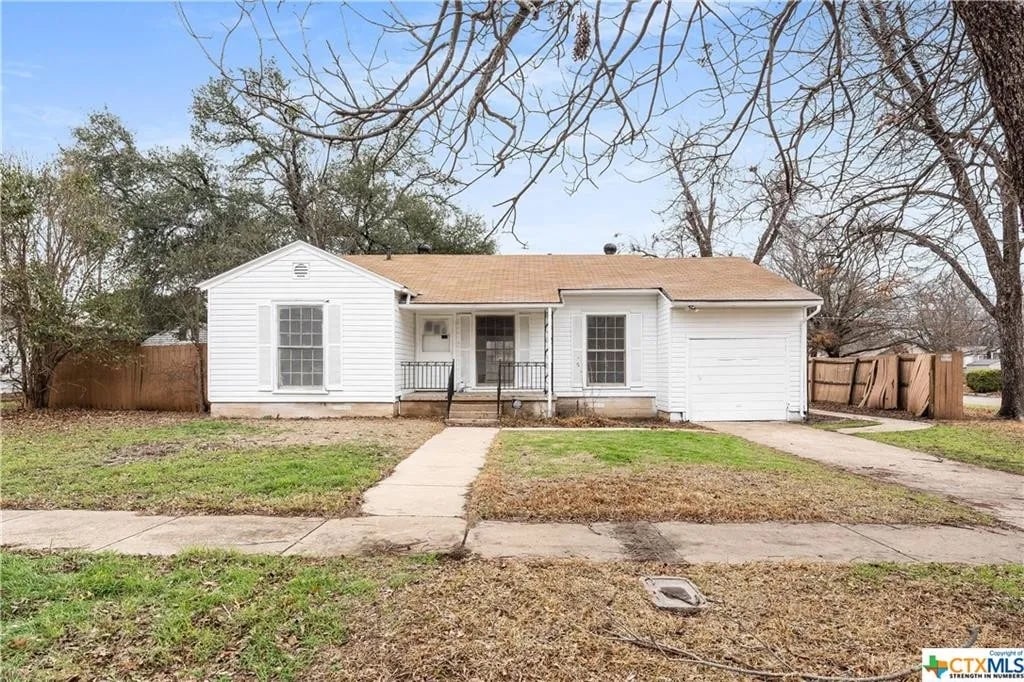
The Story
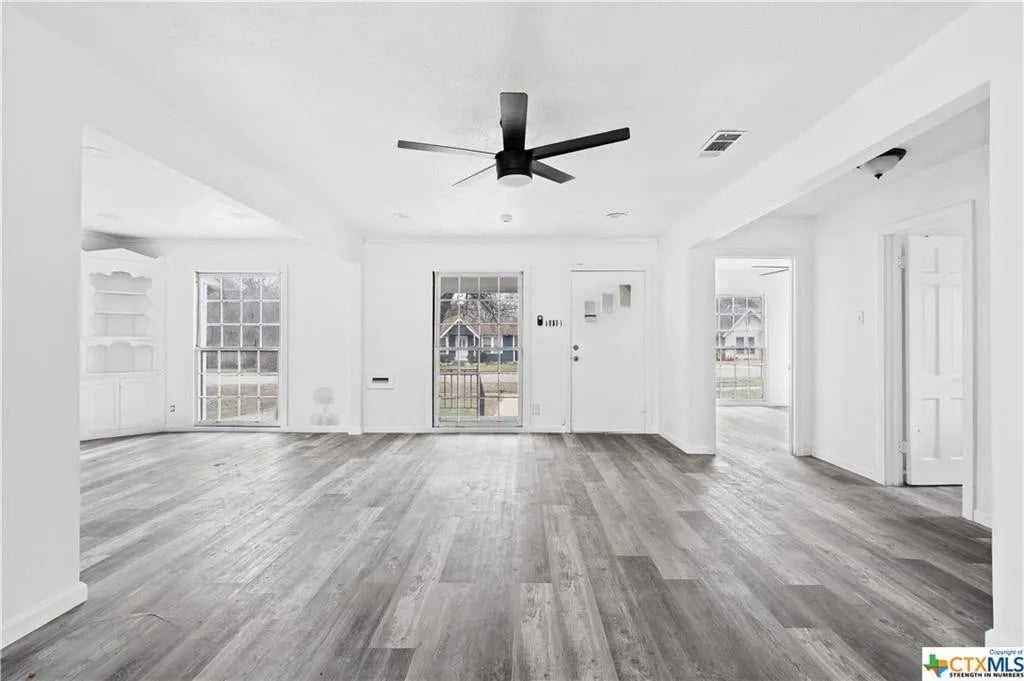
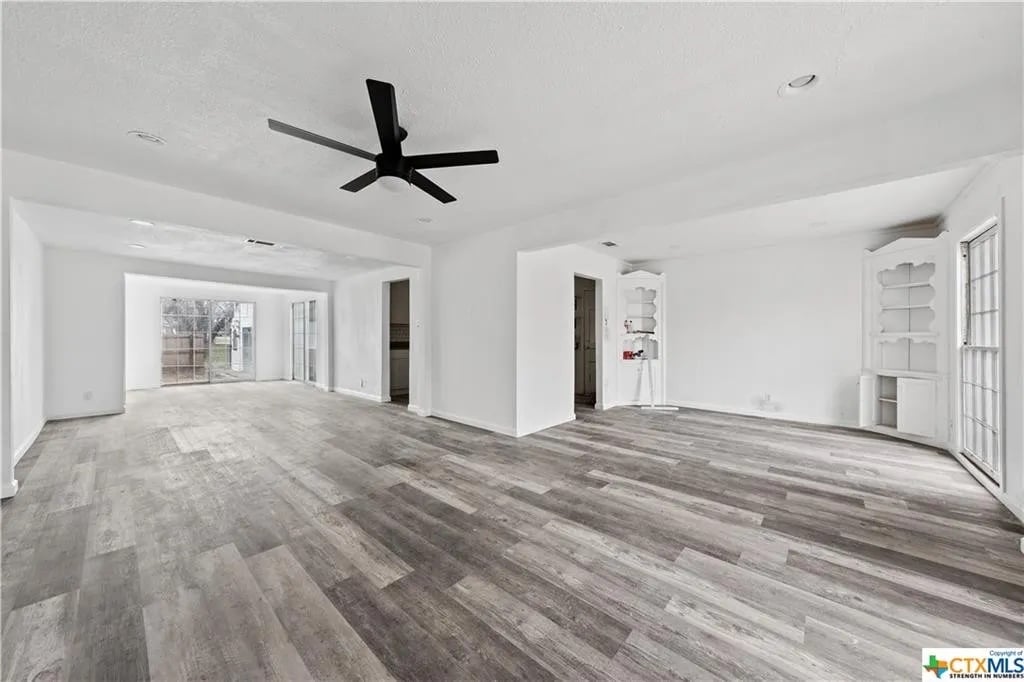
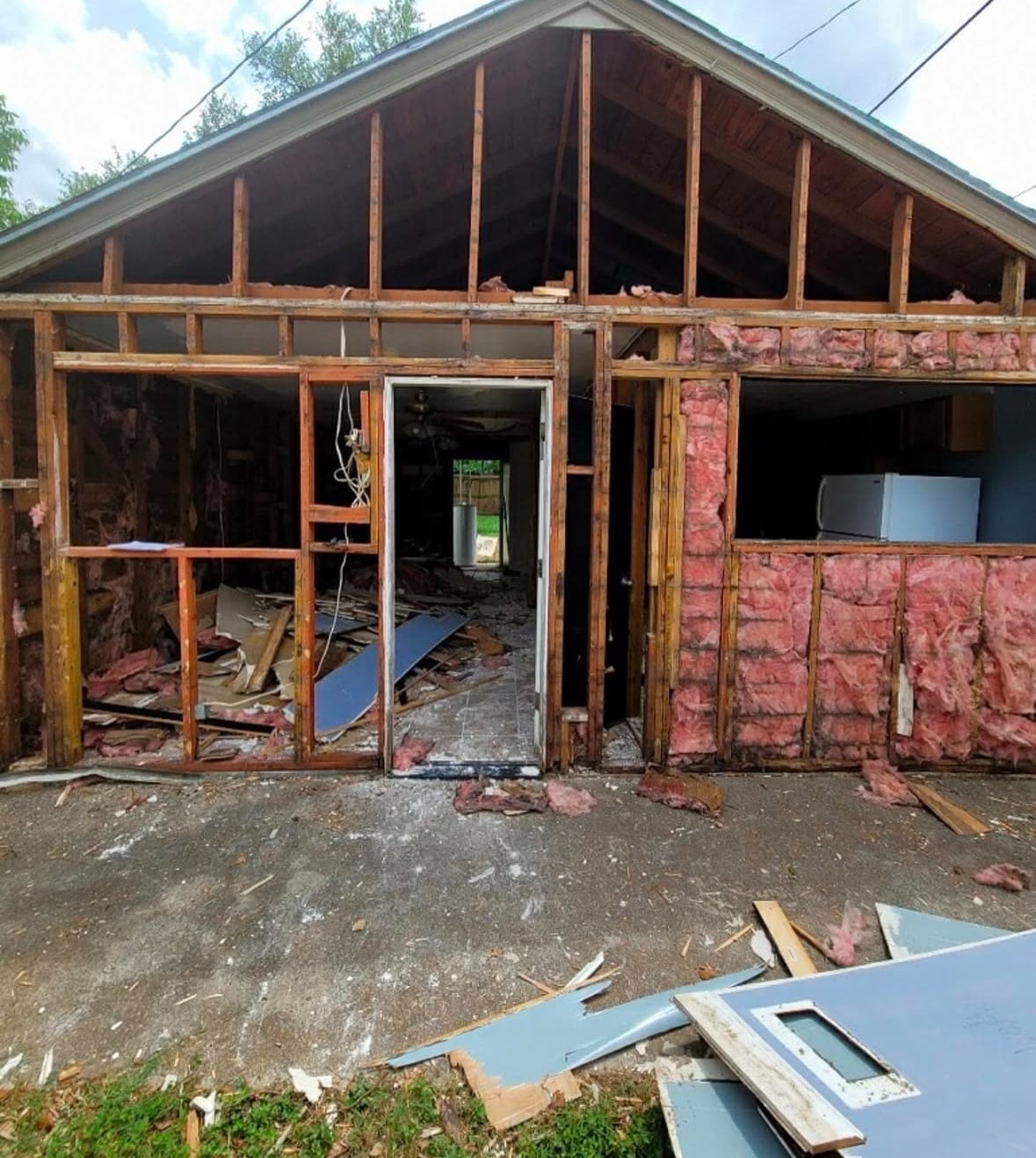
Door-knocked Temple’s historic district. A neighbor mentioned a vacant house — the one at 918 N 13th. Mail went through a slot in the door, so it never showed as “vacant” on any list. Zero competition. Taylor emailed the owner.
The owner wanted $125K. Taylor — being honest — told him he could probably get $184K on the open market. The owner asked for $140K; Taylor negotiated to $137K. In hindsight, Taylor should have just offered $125K and not coached the seller upward. Honesty has a cost.
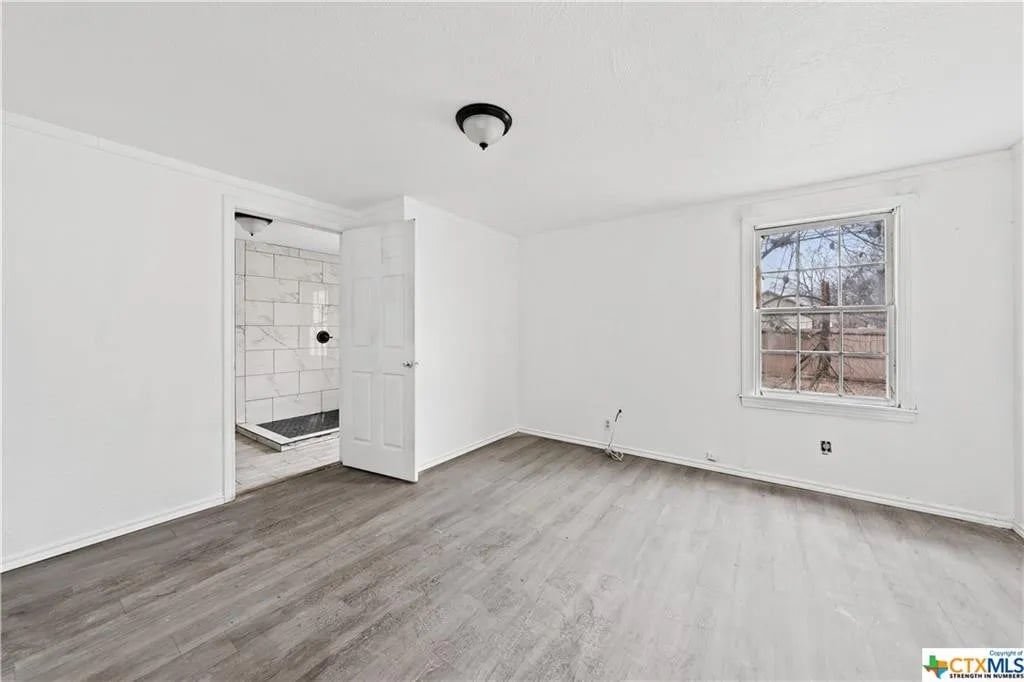
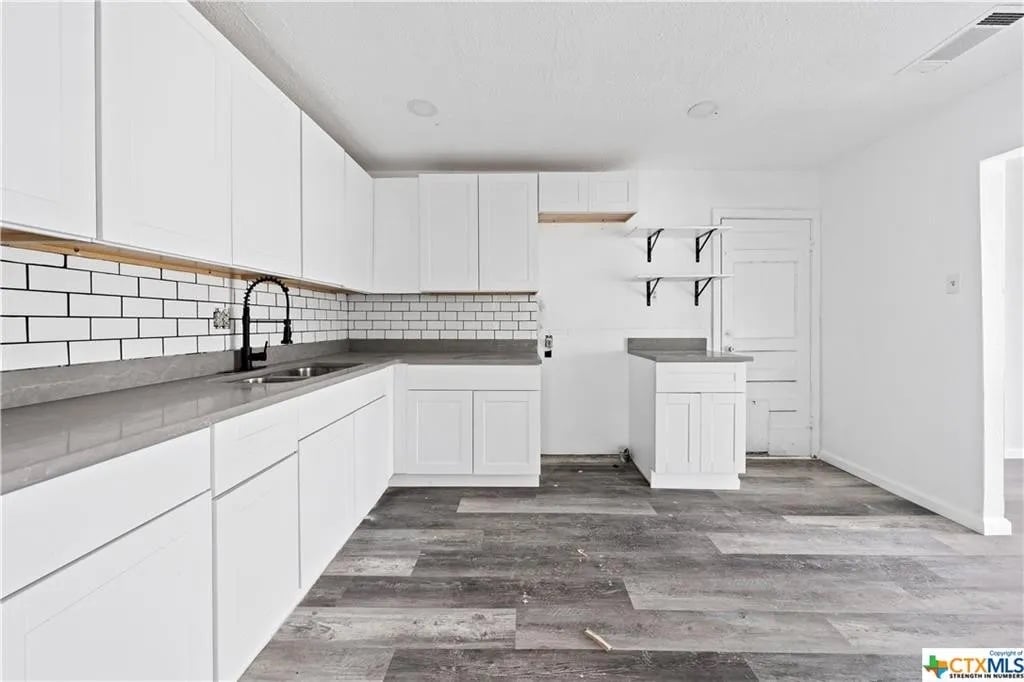
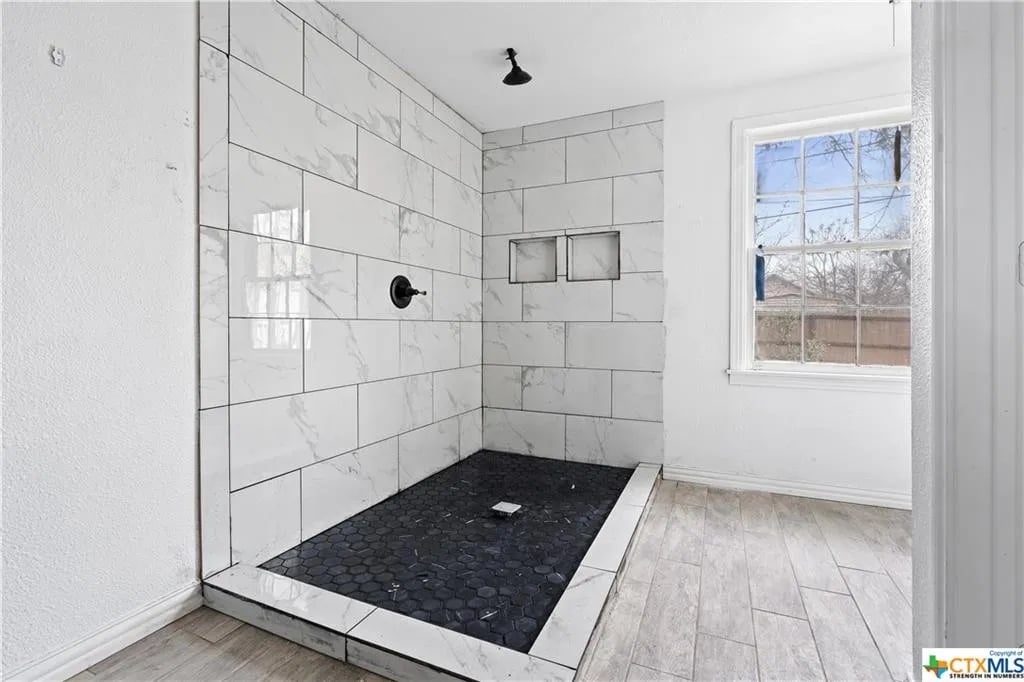
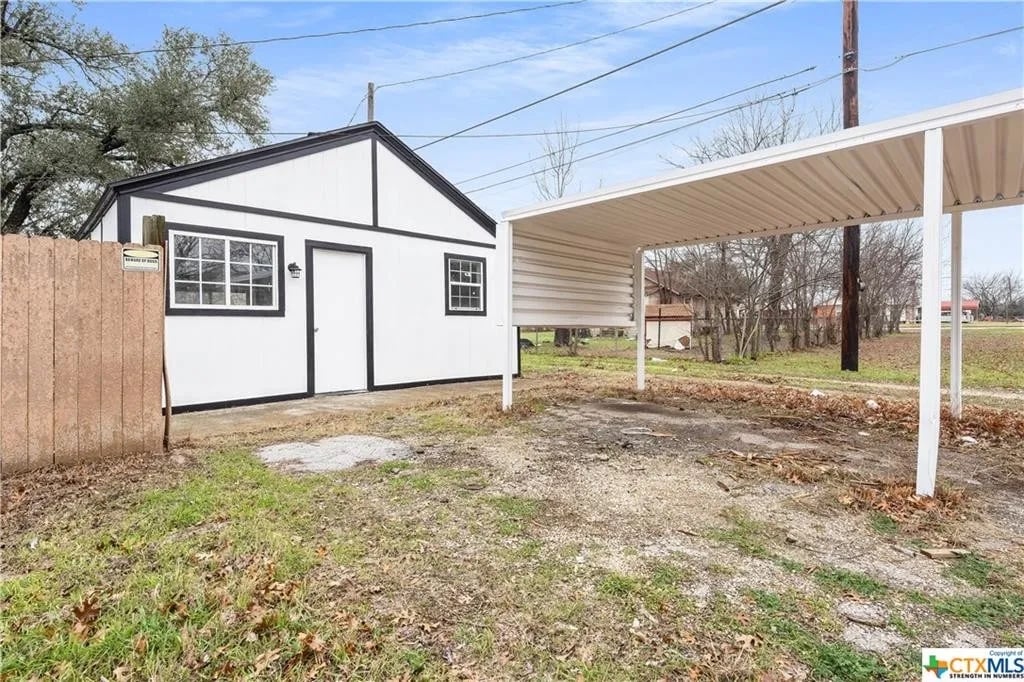
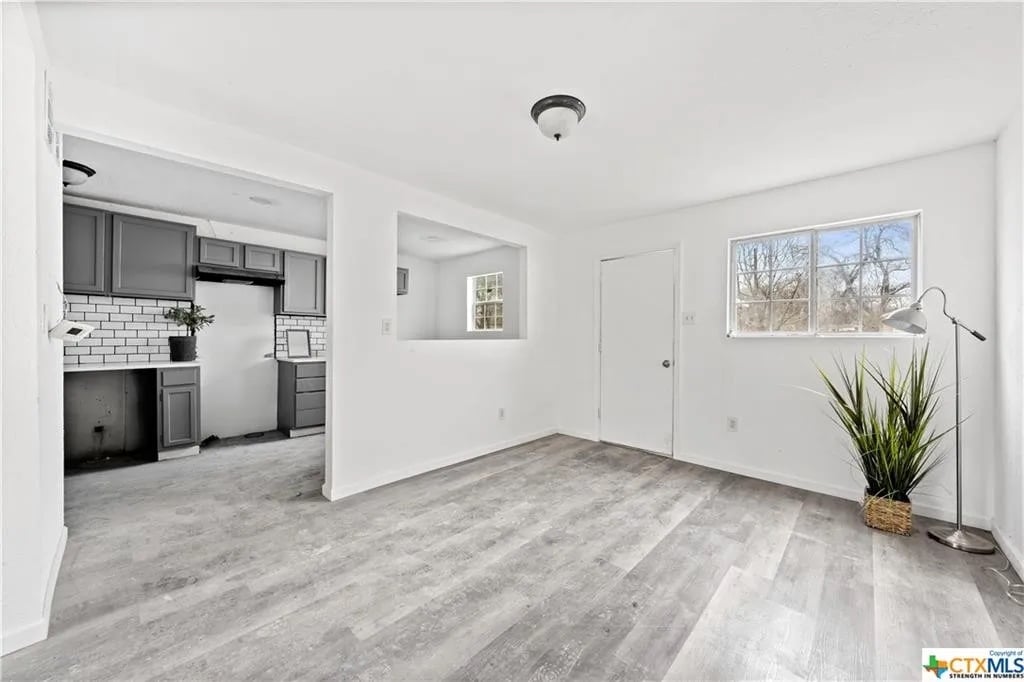
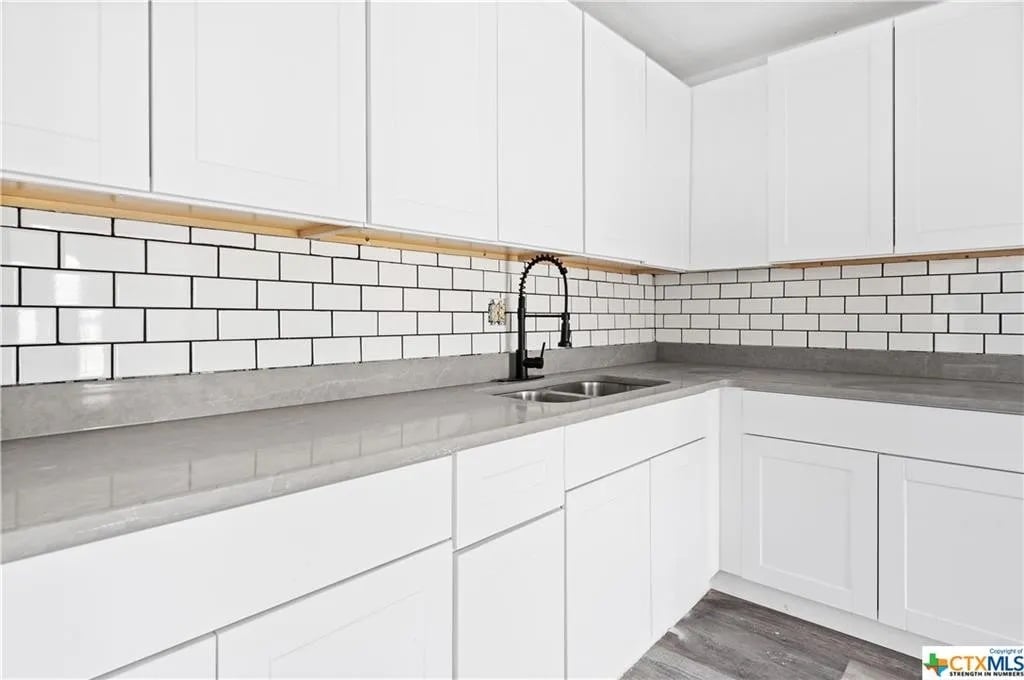
1,700 sqft main house + 600 sqft detached ADU. Closed with hard money in 14 days — only $5K to close, but $1,700-$2,000/month in interest-only payments. Wasted $10K on a cheap contractor who did subpar work. Hired good contractors for $40K. Then the plumber cut off the water line to the ADU and nobody could figure out where — cost $10K to replumb.
Total all-in: approximately $190K including holding costs. Appraised at $300K. Primary unit rented as LTR, ADU as a furnished MTR (elderly tenant who always paid on time but called constantly). Couldn’t refinance due to financing issues — market had slowed. Sold for $240K.
What Went Right
- Door knocking + neighbor tip found a zero-competition deal
- Hard money closed in 14 days — only $5K out of pocket
- Created $110K in equity on paper ($190K all-in vs $300K appraisal)
- ADU as MTR produced strong additional cash flow
- Still netted ~$50K profit even with every mistake in the book
What Went Wrong
- Told the seller his house was worth $184K — could have bought at $125K instead of $137K
- Cheapest contractor wasted $10K before getting fired
- Plumber cut off ADU water line — $10K replumb nobody saw coming
- Hard money holding costs ($1,700-$2,000/mo) eat profit fast
- Sold at $240K when it appraised at $300K — timing and market slowdown
- Selling tenant-occupied limited the buyer pool
Door knocking a neighborhood + a single neighbor tip found a property that wasn’t flagged as vacant because mail went through a slot. Zero competition on a deal that created $110K in equity. The best deals are invisible to everyone searching online.
~$50K profit on a deal riddled with mistakes. Imagine the return with experienced execution: buy at $125K instead of $137K, skip the $10K bad contractor, budget for the plumbing, and sell at full market. This deal’s profit came from finding it — not from operating it well. That’s the power of sourcing.
The Nomad Method
930 KC Dr → 2001 Broken Shoe Trl → 4601 Calle RobleThe Story
The nomad method: buy a primary residence, live in it for a year (qualifying for owner-occupied rates and low down payments), then move out and convert to a rental. Repeat. Taylor did this three times.
930 KC Dr: Original primary home. ~$1,000/month payment. Converted to rental when Taylor moved. Still a performing rental today — Taylor lives here again as primary residence.
2001 Broken Shoe Trl: Carriage House Trails. Interest rate in the low 2s. $1,300/month payment. Beautiful house. Sold after approximately one year with 13 offers — likely priced too low in the COVID market run-up.
4601 Calle Roble: Bought cheap. ~1,000 sqft. Did flooring, paint, light fixtures. Hated living there — the piano took up the entire living room. Moved back to KC Drive. Sold sub-to for approximately $29K versus an estimated $13K through a traditional market sale. No negative credit consequences.
What Went Right
- Locked a rate in the low 2s on Broken Shoe — owner-occupied financing is a weapon
- Sub-to sale on Calle Roble netted $16K MORE than traditional market sale
- Built a rental portfolio using primary residence financing terms
- 13 offers on Broken Shoe proved the Temple market demand
What Went Wrong
- Nomad method requires moving UP in price — lenders won’t approve a downgrade
- Probably priced Broken Shoe too low — left money on the table with 13 offers
- Didn’t account for lifestyle in the Calle Roble purchase — 1,000 sqft with a piano doesn’t work
- Moving is expensive and disruptive (this is the hidden cost of nomad)
Sub-to sale netted $16K more than a traditional market sale on the same property. Most agents don’t even know sub-to exists. It’s not for every deal, but when the math works, it’s a significantly better exit than listing on the MLS.
The nomad method works if you plan the moves correctly — always move UP in price (lender rule), know your lifestyle minimums (piano + 1,000 sqft = bad idea), and explore creative exits like sub-to. Three properties, multiple locked-in low rates, and a $29K sub-to exit that outperformed a traditional sale by $16K.
The Investor’s Evolution
Every deal taught something the previous one didn’t. Here’s the progression from first-time mistakes to experienced execution.
Taylor’s Take

Average ROI across all my deals — including the learning phase mistakes — sits around 17%. If I knew then what I know now, I have no doubt it would be in the 20%-30% range. The deals above aren’t theoretical. I bought them, rehabbed them, made money on some, and lost money on others.
“Temple is a GREAT market for people who invest correctly. There are value adds, properties that cash flow or break even, and a diverse enough housing market to where just about any strategy works here.”
My personal strategy going forward: flips to build capital, then diversifying my rental portfolio into two categories — cash flow plays and long-term holds. The long-term play theory is simple: if it cash flows or breaks even right now, it will eventually cash flow very well whenever interest rates go down.
For buy-and-holds, a 6%-9% ROI per property is going to be a good number. Don’t let anyone tell you 15% cash-on-cash is normal for a stabilized buy-and-hold. It’s not. Those numbers come from value-add deals or creative financing — and they come with proportional risk.
“The biggest mistake new investors make? Seeing a property for super cheap and buying it without knowledge of the issues of the area, the ARV, rental comps. They just think it’s so cheap what can really go wrong — but there is a lot of stuff that can potentially go wrong.”
The MTR at 1814 S 7th was my proudest deal. It made me open up my mind to a whole new investment strategy that actually works and fits my goals. The River Oaks flip was my worst. Lost $15K+. But I learned to look at the rehab through a buyer’s eyes — and that lesson has saved me (and my clients) significantly more than $15K since.
If you’re doing due diligence on Temple TX, you’re in the right place. These case studies are here so you can learn from my mistakes instead of making your own. If you want to talk numbers on a specific deal or neighborhood — call me. I’ll tell you exactly what I think, including when I think you should walk away.
— Taylor Dasch | 254-718-4249 | dealswithdasch@gmail.com
Investor Questions — Answered
Across the case studies shown here, approximately 17% average ROI. For stabilized buy-and-hold properties, 6%-9% annual ROI is a realistic target. Flips can produce higher returns — the 918 N 13th deal netted ~$50K — but they also carry more risk. The River Oaks flip lost $16K+. If I knew then what I know now, I have no doubt the average would be in the 20%-30% range.
Buying a cheap property without understanding the area’s issues, the after-repair value, or rental comps. New investors see a low price tag and assume the risk is low. But cheap properties in Temple often come with foundation problems ($7,800+), plumbing issues ($8,600+), or neighborhood comps that won’t support the rehab investment. A 2/2 in a neighborhood of 3/2s will always comp poorly — no amount of granite countertops fixes that.
Depends on strategy. Buy-and-hold: tenant placed within 30-60 days of close. Cosmetic rehab: 2-4 months. Major rehab with foundation or plumbing: 4-6 months. Flips average 4+ months from purchase to sold — longer if you miss the market on pricing. Hard money holding costs ($1,700-$2,000/month on a $137K purchase) make timeline accuracy critical for profitability.
Strong market for OOS investors with reliable local representation. Median home prices between $200K-$280K with rental demand from Baylor Scott & White (Temple’s largest employer) and Fort Hood military tenants. The Sam Houston Dr deal above was an OOS investor purchase from California — purchased under asking, $1,850/month rent, strong cash flow from day one. The key is having someone on the ground who knows the block-by-block differences, not just the zip code averages.
Temple supports multiple strategies. Buy-and-hold LTR is the most common — 6%-9% annual ROI, consistent tenant demand. Mid-term rentals near Baylor Scott & White produce significantly higher cash flow than LTR on the same property (the 1814 S 7th case study proved this). Flips work when comps are airtight and bed/bath counts align. BRRRR works in older neighborhoods where purchase + rehab is well below appraisal (918 N 13th: $190K all-in, $300K appraisal). Creative strategies like sub-to can net $16K+ more than traditional sales.
Cosmetic rehabs (paint, flooring, fixtures) run $15,000-$25,000 for a typical 3/2. Full rehabs with mechanical updates run $35,000-$50,000+. Always add 20-30% contingency — foundation repairs ($7,800+) and plumbing ($8,600-$10,000) are common surprises in Temple’s older housing stock. And do not go with the cheapest contractor. I wasted $10K on one before hiring competent crews. The money you save on a cheap contractor, you’ll spend twice fixing their work.
Rather than naming specific streets, here’s what to verify on any Temple TX deal: flood zone status (some areas flood regularly), foundation soil conditions (expansive clay is common in central Texas), rental comps for the exact block (not just the zip code), and bed/bath count alignment with neighborhood comps. A 2/2 in a neighborhood of 3/2s will comp poorly regardless of rehab quality. Drive the neighborhood at different times of day before committing capital.
I’m an active investor with personal holdings across flips, long-term rentals, mid-term rentals, BRRRR, and nomad strategy properties in Temple TX. My personal strategy right now: flips to build capital, then diversifying my rental portfolio into cash-flow plays and long-term appreciation holds. I publish my losses alongside my wins — including the $16K+ I lost on River Oaks — because I’d rather you trust my numbers than wonder if I’m cherry-picking success stories.
Want to See Deals Like These
Before They Hit the Market?
Taylor sends deal breakdowns, off-market leads, and market intelligence to serious investors. If you’re deploying capital in Temple TX — or thinking about it — start here.