


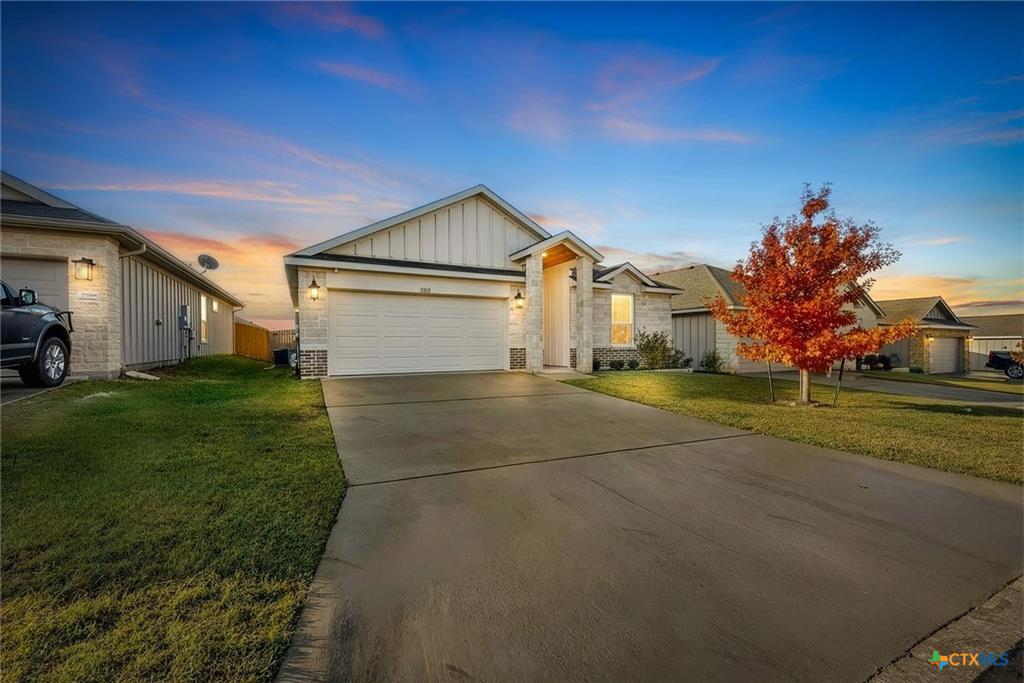
How 7713 Purvis Street sold in 34 days after the prior listing expired.
A West Temple expired listing relisted at the exact same price with new photography, then moved one time on price after modeling the rental alternative with the sellers. Under contract within two weeks. Closed at full $250,000 list.
7713 Purvis Street in Reserve at Pea Ridge (West Temple, Belton ISD) closed on May 22, 2026. It was an expired listing when I took it — the previous agent had it at $265,000 with no accepted offer. I relisted it at the same $265,000 with new professional photography, let the market vote on the new presentation, modeled the rental hold alternative with the sellers, agreed on a single move to $250,000, went under contract within one to two weeks, and closed at the full $250,000 list price.
Total days on market under the new listing: 34. The most recent comparable sale on the same street — 7917 Purvis, same subdivision, larger 2,028 sqft home, different brokerage — took 115 days to sell during the prior cycle. This case study is the full strategy, in order, with what worked and what I'd do the same next time.
Diagnose the listing before changing the price. If the photos are the weakest link, relist at the same price with professional photography first — that isolates whether photos or price was the actual problem. If the market still says no, model the alternatives (rental hold, different season, price reduction) with the sellers before defaulting to a price cut. 7713 Purvis Street in Pea Ridge sold in 34 days using this approach — vs 115 days for the most recent comparable sale on the same street.
- Step 1: relist at the same price with new photography to isolate the variable
- Step 2: keep weekly seller updates even when the listing is quiet
- Step 3: model the rental hold alternative side-by-side with any price reduction
- Step 4: move once on price, not in repeated incremental drops
- Step 5: run repair amendment coordination and labor directly to protect close date
Diagnose the listing first. Don't default to "drop the price."
The photos on the original (expired) listing were not good. That's where I start with every expired listing: if the photos don't make a buyer stop scrolling, the price isn't even getting a chance to be evaluated.
So I relisted at the exact same $265,000 the previous agent had it at, with new professional photography. Same number, better presentation. That isolates the variable. If buyers respond at the original price, photos were the problem. If they don't respond, the price was wrong. This is how you find out which lever actually needs to move — instead of guessing and cutting price first.
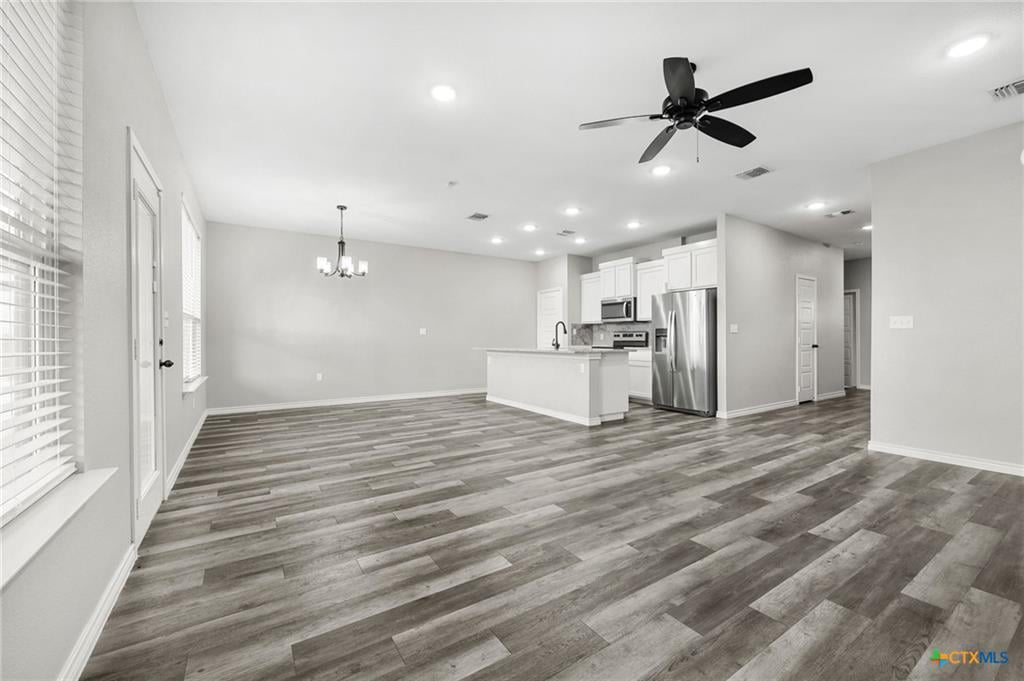
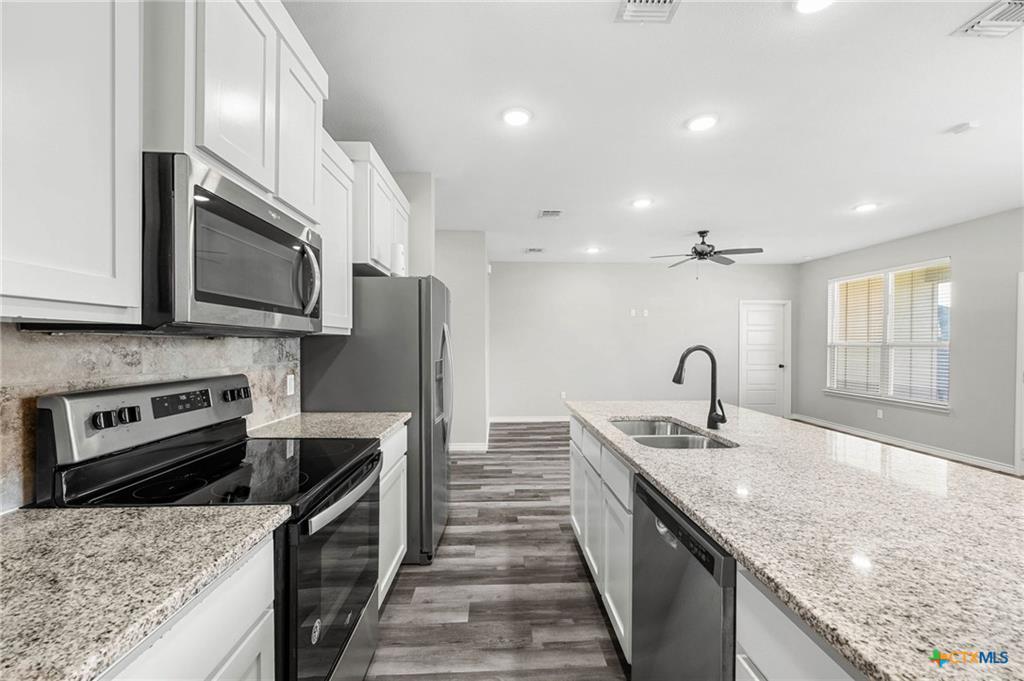
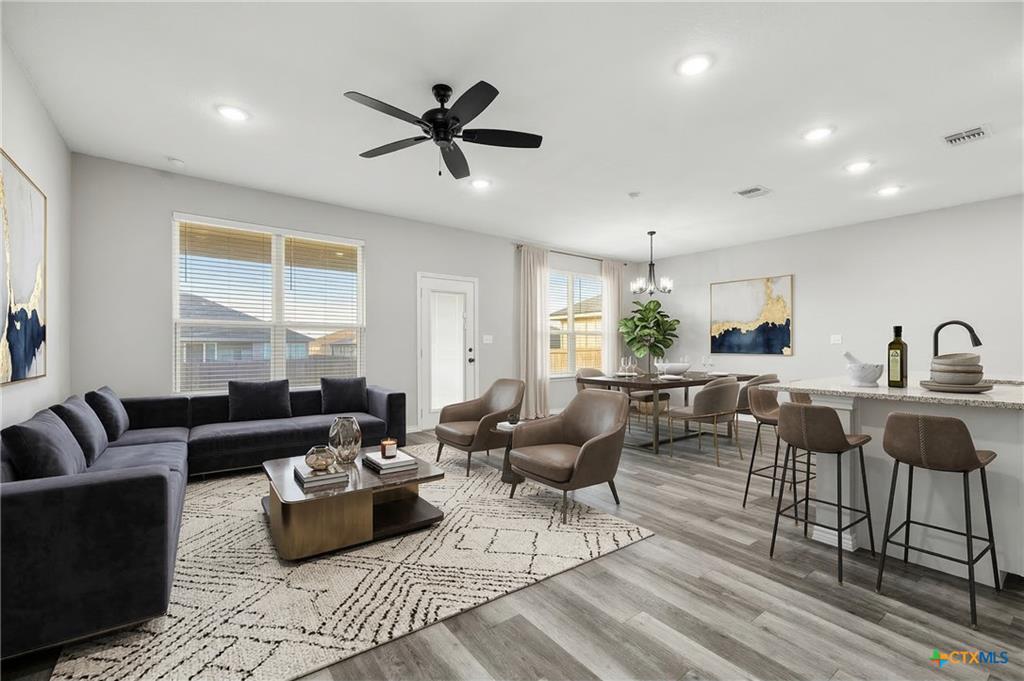
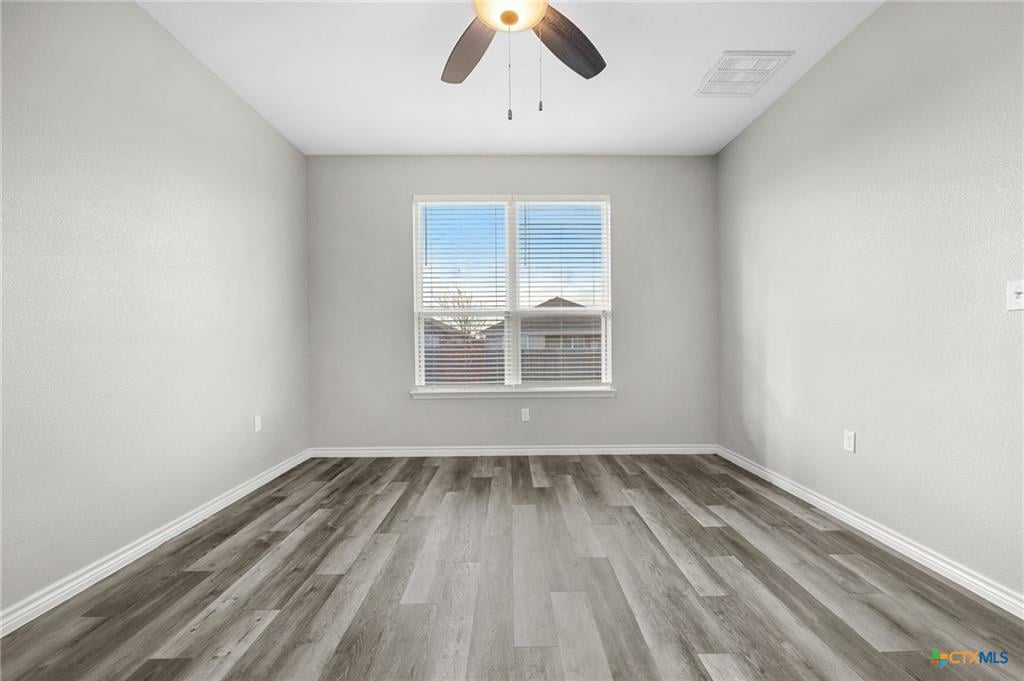
Two quiet weeks. Recommended a reduction. The sellers wanted to hold.
After roughly two weeks at $265,000 with no showings, I went back to the sellers with a price-reduction recommendation. They wanted to hold the number. That's fine — sellers know their cash position better than I do, and they weren't under pressure to move.
What I did do was keep the weekly seller updates going. Most agents stop weekly contact once a listing goes quiet because there's nothing to report and the calls feel uncomfortable. That's exactly when sellers need the contact — silence makes the relationship feel like neglect even when the agent is still working. The weekly calls preserved the trust we needed for what came next.
Modeled the rental hold side-by-side with a price reduction before choosing.
When the sellers were ready to revisit, we didn't just pick a lower number. We modeled the rental hold together: what does waiting the market out as a cash-flow hold actually look like — monthly rent, expenses, debt service, holding cost — vs accepting a lower sale price now? Some sellers walk away from that conversation and decide to lease the property instead. These sellers ran the numbers and decided $250,000 was the right move. That's a $15,000 reduction off the original $265,000 list — a 5.7% single move, not a series of incremental drops.
Most expired-listing advice defaults to "drop the price and hope." Modeling the actual alternatives is how you turn a price decision into a financial decision, and how sellers feel ownership over the outcome instead of feeling like they got talked into it.
Under contract within 1–2 weeks of the price move. Closed at full list.
The contract came in within one to two weeks of dropping to $250,000, at the full $250,000 list price. No further negotiation off the new number — and that's the signal that we hit the right price, not a price with chip-down room. Total days on market: 34. Closed May 22, 2026.
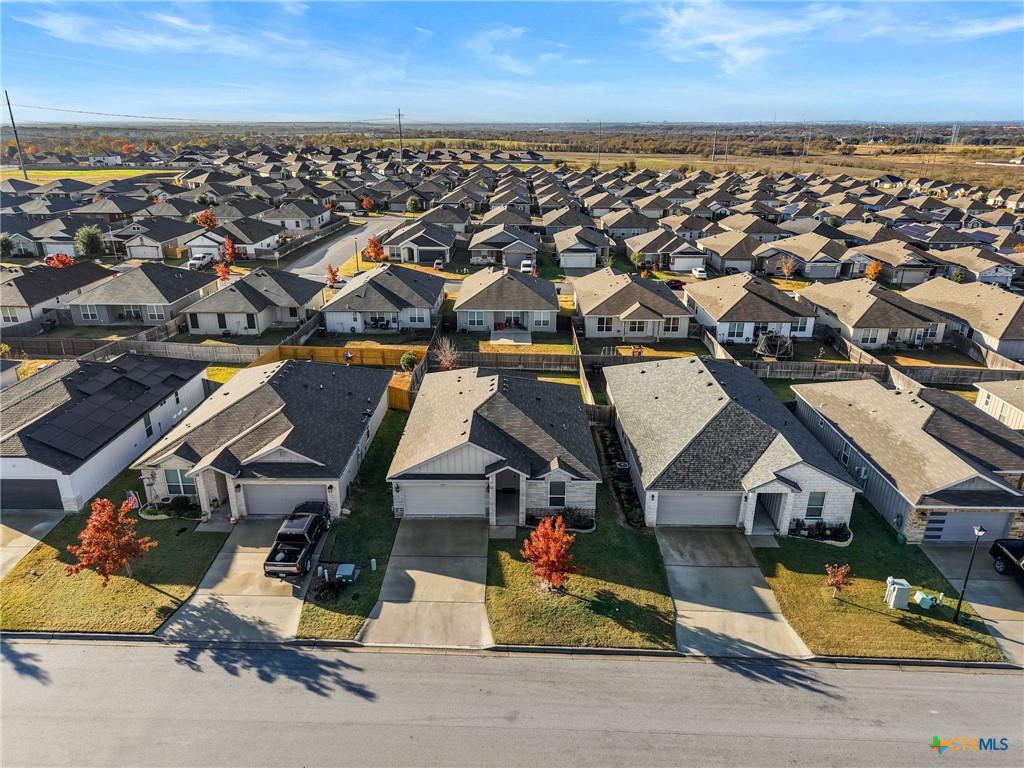
Same street. Same subdivision. ~70% less time on market.
Detail-oriented buyers. Repair amendment. A cleaner who couldn't reschedule.
The buyers were detail-oriented, which is the right way to buy a home. The contractor came back to finish the final repair amendment touch-up, and after that the property needed one more cleaning before the buyer's final walk-through. The cleaner I had scheduled couldn't get back out in time. Rather than push the close back, I drove to the property and finished the cleaning myself.
I also ran the repair amendment coordination directly with the contractor rather than bouncing it back to the sellers. None of that goes in a marketing photo. It's what a listing agent is supposed to do, and it's why this close hit the calendar date both sides agreed to.
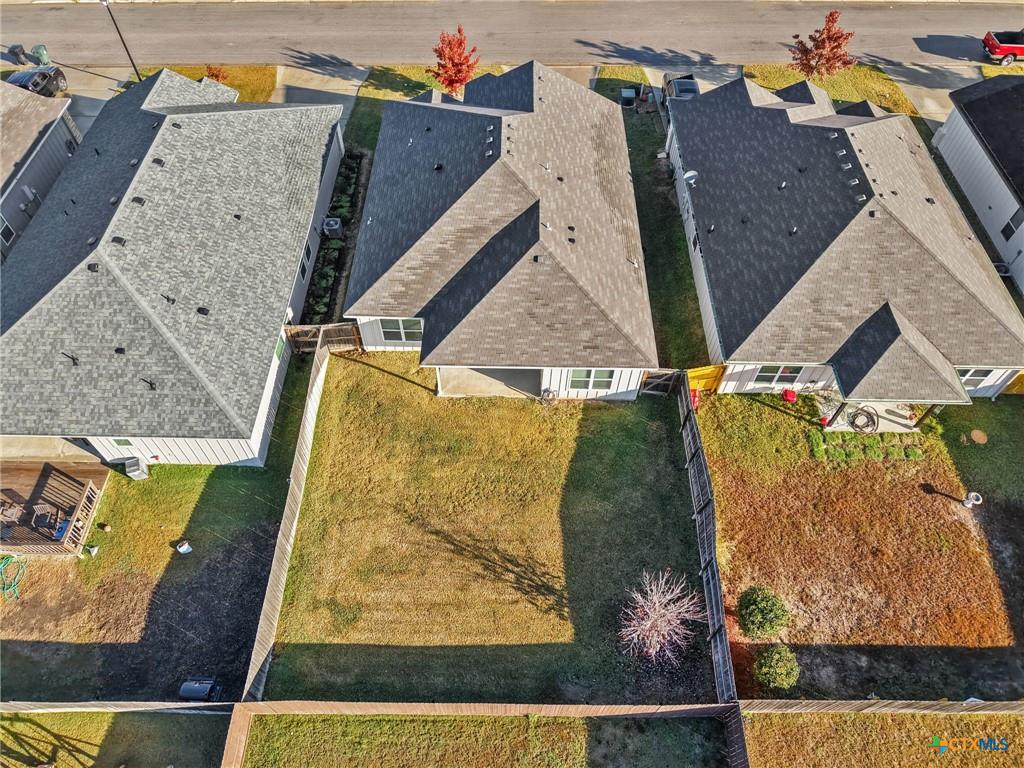
"If your listing expired or has been sitting, the instinct is to hire the next agent who promises the highest number. That usually puts you right back where you were. The better instinct is to diagnose what's actually broken, isolate the variables one at a time, and model the alternatives with you before defaulting to a price cut. That's what we did on Purvis — 34 days, closed at full list."
What this means if your listing is expired or sitting in Temple or Belton
A re-list strategy is a sequence, not a single decision. Most of the value is in the order.
- Diagnose the listing before touching the price. Photography, write-up, MLS data fields, days-on-market story, status changes — fix what's actually broken before you reduce. A same-price re-list with new photography isolates whether photos or price was the real problem.
- Model the alternatives, not just a reduction. A rental hold, a seasonal delay, a strategic withdrawal-and-relist, a single decisive price move — each is a different financial outcome for you. Run the numbers together with your agent before deciding.
- Move once on price, not in incremental drops. Repeated small cuts tell buyers the seller is desperate and there's more room to chip. One decisive move at the right number signals the seller knows the market.
- Hire the agent who shows their work weekly, not just at the listing presentation. Silence between offers is when sellers lose trust — and lose deals.
- Make sure your agent will run the unglamorous parts. Repair amendment coordination, contractor logistics, last-minute cleaning gaps — these are where deals fall apart in the last 10 days. The agent should remove that load from you, not add to it.
For sellers thinking about price, timing, or whether to re-list
Questions sellers ask about expired listings and re-listing
If your listing expired or has been sitting, get a real diagnostic — not a price-cut pitch.
I'll walk through what a re-list strategy would look like for your specific home — photography, pricing, timing, alternatives — same approach I used on 7713 Purvis. No obligation.