The Honest Guide to Investing in Texas Real Estate: Temple vs. Austin vs. DFW
A data-driven market comparison for out-of-state buy-and-hold investors. Updated March 2026.
Which Texas Market Actually Cash Flows for Rental Investors in 2026?
For investors requiring immediate cash flow and lower capital entry, Temple is the strongest Texas market. A $240,000 entry point with a 2.07% effective tax rate and $160/month insurance creates the most favorable P&L among the three major Texas MSAs. Austin's $435,000 median and 14% apartment vacancy eliminate cash flow. DFW's 2.22% taxes and extreme hail insurance erode margins.
- Temple median entry: $240,000 | Bell County tax: 2.07% | Insurance: $160/mo
- Austin median entry: $435,000 | Travis County tax: 2.18% | Apartment vacancy: 10-14.5%
- DFW median entry: $395,000 | Dallas County tax: 2.22% | Hail insurance: $300-$375/mo
- Temple rent-to-price ratio: 0.55% — highest among the three metros
The Executive Verdict
Temple delivers the best risk-adjusted return for buy-and-hold investors deploying $60,000-$80,000 in capital. The combination of a $240,000 entry, 2.07% tax rate, $160/month insurance, and recession-resistant tenant demand from Baylor Scott & White and Fort Cavazos produces a P&L that Austin and DFW cannot match at current interest rates. Austin is an appreciation bet requiring deep reserves. DFW demands institutional-grade submarket expertise to avoid yield traps.
The Apples-to-Apples Market Data: Killeen-Temple vs. Austin vs. DFW
Temple wins on entry price and rent-to-price ratio. Austin wins on absolute rent. DFW wins on employment diversity. None of these metros is universally "best" — the right market depends entirely on your capital stack, risk tolerance, and return timeline. Here is the raw data.
| Metric | Temple (Bell County) | Austin (Travis County) | DFW (Dallas County) |
|---|---|---|---|
| Median Investor Entry | $240,000 | $435,000 | $395,000 |
| Average SFR Rent | $1,320/mo | $1,554/mo | $1,750/mo |
| Days on Market | 67 | 89 | 68 |
| Rent-to-Price Ratio | 0.55% | 0.36% | 0.44% |
| Effective Tax Rate | 2.07% | 2.18% | 2.22% |
| Economic Anchors | Military, Medical, Logistics | Tech, State Gov, University | Corporate HQs, Finance, Logistics |
Sources: Bell CAD, Travis CAD, Dallas CAD, Zillow Research, FRED Economic Data, Texas Real Estate Research Center. Data as of Q1 2026.
The Silent Return Killers: Property Taxes and Insurance
Property taxes and insurance — not purchase price — determine whether a Texas rental cash flows. Texas has no state income tax, which means local governments fund services through property taxes averaging 2.07-2.22% across these three metros. Combined with insurance that varies wildly by geography, your operating expenses can swing $3,000+ per year on identical properties.
The Hidden P&L Drag: $300,000 Property Comparison
| Annual Expense | Bell County (Temple) | Dallas County (DFW) | Difference |
|---|---|---|---|
| Property Tax (annual) | $6,210 | $6,660 | +$450 |
| Landlord Insurance (annual) | $1,920 | $4,500 | +$2,580 |
| Combined Annual Cost | $8,130 | $11,160 | +$3,030/yr |
| Monthly Impact | $678/mo | $930/mo | +$253/mo |
That $3,030/year operating expense gap means a DFW investor needs $253 more per month in rent just to match Temple's expense baseline — before mortgage, management, or CapEx. For a detailed breakdown of Temple's rental market fundamentals, see our 2026 analysis.
Roof Insurance Reality Check: ACV vs. RCV
DFW's hail frequency has forced most carriers to switch from Replacement Cost Value (RCV) to Actual Cash Value (ACV) roofing endorsements. The difference is devastating: after a hailstorm destroys your 12-year-old roof, RCV pays full replacement (~$12,000-$18,000). ACV depreciates the roof's value and pays a fraction — leaving you with a $15,000+ out-of-pocket surprise. Temple sits outside the primary Texas hail corridor, and most Bell County policies still offer standard RCV coverage. This single policy difference can destroy an entire year's cash flow on a DFW rental.
Temple Real Estate: The Math-First, Low-Hype Market
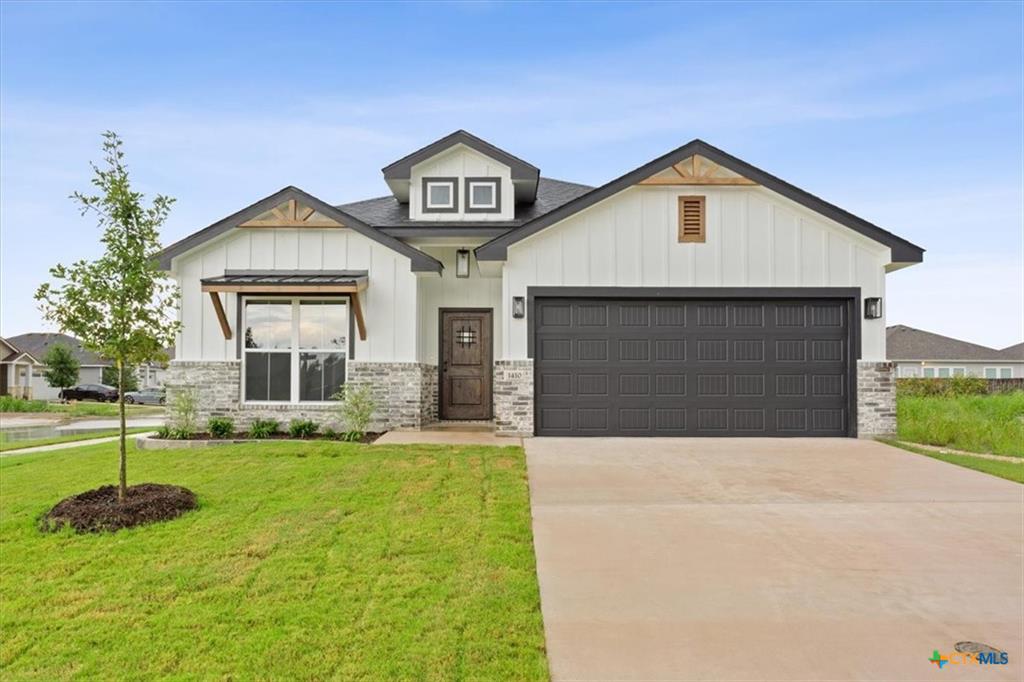
Temple's investment thesis is not appreciation speculation — it is structural demand from three recession-resistant employers creating a tenant floor that does not evaporate during downturns. The Killeen-Temple MSA has maintained sub-6% unemployment through the last two recessions because its economic base is non-cyclical: military, medical, and federal payrolls.
Three Economic Pillars That Create a Tenant Floor
Medical: Baylor Scott & White
8,800 employees at Temple's flagship medical campus. 31 Graduate Medical Education programs cycle new residents, fellows, and attending physicians annually — each needing 1-5 year housing. BSW is the largest non-government employer in Bell County. Top neighborhoods for BSW staff here.
Military: Fort Cavazos
153,000 total jobs with an $18.2 billion annual GDP impact. The E-6 with dependents BAH (Basic Allowance for Housing) is $1,920/month — setting a reliable rent floor. PCS orders create predictable 2-3 year lease cycles. The base is the largest active-duty installation in the western hemisphere.
Logistics: The I-35 Corridor
McLane Company (Berkshire Hathaway subsidiary) headquarters, Walmart distribution center, and a growing logistics cluster leveraging Temple's I-35 position halfway between Austin and DFW. These blue-collar and mid-management employees are long-term tenants who prefer renting SFRs over apartments.
The Temple Investor Buy Box
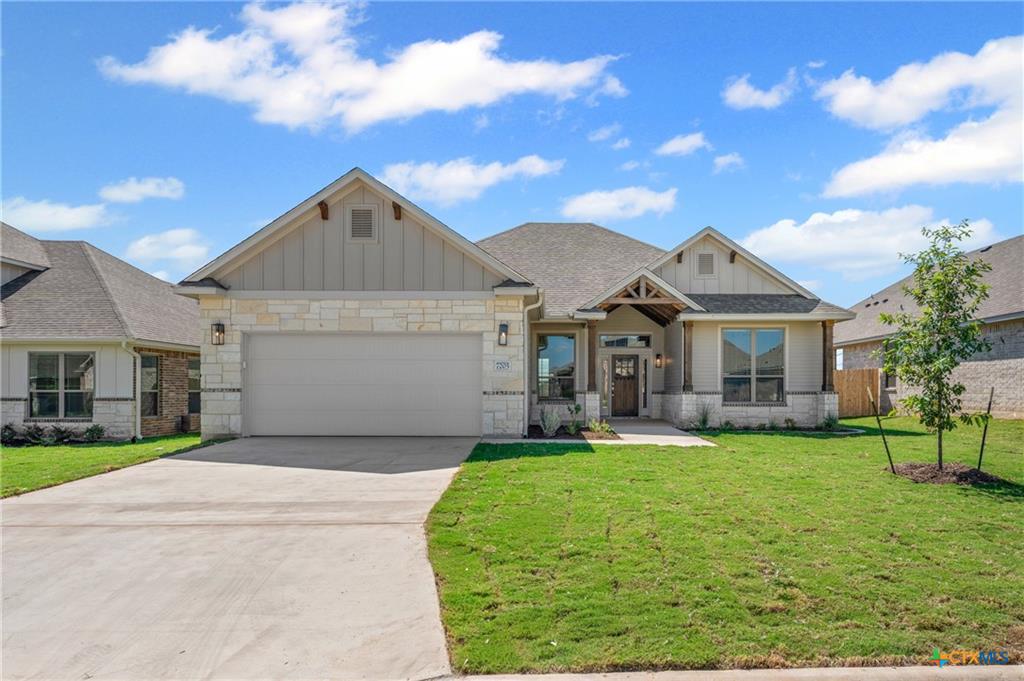
The optimal Temple rental acquisition: 3BR/2BA, 1,500-1,800 sqft, built 2010 or newer, $220,000-$260,000, within a 5-15 minute commute of BSW Medical Center or Fort Cavazos. This profile minimizes CapEx risk (newer roof, newer HVAC), maximizes tenant appeal (families and professionals), and hits the rent-to-price sweet spot. Run these numbers in our Deal Analyzer.

Austin Real Estate: High Appreciation, Negative Cash Flow?
Austin's multifamily oversupply has created a contagion effect that suppresses single-family rental income across the metro, making cash flow functionally impossible at 7% interest rates. Apartment vacancy ranges 10-14.5%, with complexes offering 2 months free rent concessions. This pulls SFR tenants back into apartments, compressing rents while prices remain elevated at $435,000.
The Multifamily Contagion Effect
Between 2021-2024, Austin permitted roughly 60,000 new apartment units during the pandemic migration boom. Those units are delivering into a market where tech layoffs have reduced demand. The result: 10-14.5% apartment vacancy across the metro, with Class B and C properties offering 2 months free rent to fill units.
For single-family rental investors, this creates a devastating dynamic. A prospective tenant choosing between your $435,000 SFR at $1,554/month and a new apartment effectively offering $1,250/month (after concessions) will choose the apartment. Your vacancy extends, your effective rent drops, and your $9,483/year property tax bill ($435,000 x 2.18%) keeps compounding.
Austin remains a legitimate appreciation play for investors with deep reserves who can float $1,500-$2,000/month in negative cash flow for 3-5 years. But calling it a "cash flow market" is dishonest. For a comparison of more accessible markets, see our Temple vs. Killeen investment breakdown.
Austin P&L Warning
$435,000 purchase x 2.18% tax = $9,483/year in property taxes alone. That is $790/month before mortgage, insurance, management, or maintenance. At $1,554 average rent, taxes consume 51% of gross revenue. No leverage structure produces positive cash flow at these numbers.
DFW Real Estate: A Mega-Market Disguised as a City
DFW is not one market — it is 30+ submarkets with wildly different risk profiles, and institutional investors have already captured the best inventory. With 100+ corporate headquarters, DFW has the strongest employment diversity in Texas. But that macro strength does not translate into easy cash flow for individual investors facing 2.22% taxes, extreme hail insurance, and institutional competition.
The DFW Submarket Framework
Yield Traps
South Dallas, parts of Fort Worth, Pleasant Grove. Sub-$200K purchase prices look attractive on spreadsheets. Reality: high crime, 40%+ tenant turnover, eviction-heavy, deferred maintenance. The 1.2% rent-to-price ratio disappears after vacancy and repair costs. Out-of-state investors lose money here consistently.
Appreciation Plays
Collin County (Frisco, McKinney, Prosper). Beautiful homes, strong schools, corporate relocations. But $450,000-$600,000 entry points with 2.2%+ tax rates produce deeply negative cash flow. This is Austin's playbook in a different zip code — viable only with substantial reserves.
Balanced Exurbs
Forney, Melissa, Anna, Royse City. The closest DFW gets to cash-flow viability: $280,000-$340,000 entry, newer construction, decent tenant demand from DFW commuters. But hail insurance ($300-$375/mo) and institutional buyer competition still compress margins significantly versus Temple. For guidance on remote property acquisition, see our step-by-step guide.
The DFW Hail Insurance Crisis
North Texas receives more damaging hailstorms than any other metro in the United States. The result: landlord insurance premiums of $300-$375/month ($3,600-$4,500/year) — roughly 2-2.5x what Temple investors pay. Carriers have implemented ACV roofing endorsements across DFW, meaning a single spring hailstorm can generate a $15,000+ out-of-pocket roof replacement. This is not a theoretical risk — DFW averages 8-12 significant hail events annually.
What $60,000 Down Actually Buys You
$60,000 meets the 25% conventional investment property minimum in Temple — but falls short of the 20% threshold in Austin and barely qualifies for a distressed DFW asset. This is the real capital constraint most individual investors face, and it eliminates two of three markets before a single spreadsheet is opened.
Temple: $240,000 Purchase
25% down = $60,000. This buys a stabilized 3BR/2BA built 2012 or newer with low CapEx risk. Tenants are medical professionals, military families, and logistics workers. Conventional financing at standard investment property rates. Move-in ready, cash-flowing from Day 1.
Austin: $435,000 Purchase
$60,000 = 13.8% down. Does not meet the 20% conventional minimum for investment properties. You would need $87,000 minimum down payment — 45% more capital than Temple requires. Even with adequate down payment, cash flow is deeply negative at current rates and rents.
DFW: $395,000 Purchase
$60,000 = ~15% down. Also falls short of the 20% conventional investment threshold ($79,000 needed). Even targeting a $300,000 DFW property, $60,000 gets you a 1985-era asset likely needing $20,000+ in immediate repairs — roof, HVAC, plumbing — plus hail insurance at $375/month.
Who Should Invest Where? The Investor Strategy Matrix
The right Texas market depends on your capital, timeline, and ability to absorb negative cash flow — not which city has the best podcast hype. Here is the honest breakdown of which investor profile matches which market.
Temple: The Pragmatic Wealth Builder
Profile: Out-of-state buy-and-hold investor. 20-25% conventional down payment. Seeks Day-1 positive or near-break-even cash flow with steady equity building. Values simplicity, low maintenance, and recession-resistant tenant demand.
Timeline: 5-10 year hold. Expected return: 8-12% total return (cash flow + principal paydown + modest appreciation + depreciation). See travel nurse housing investment strategy.
Austin: The Patient Capitalist
Profile: Deep reserves ($150K+ liquid). Willing to float $1,500-$2,000/month negative cash flow for 3-5 years. Betting on long-term tech economy equity appreciation. Already has cash-flowing assets elsewhere to offset Austin's drag.
Timeline: 7-15 year hold. Expected return: Back-end-loaded appreciation or loss if tech sector contracts further.
DFW: The Sophisticated Operator
Profile: High-net-worth or institutional investor with submarket expertise. Can identify balanced exurbs, navigate hail insurance complexity, and compete with Invitation Homes on deal flow. Needs boots-on-the-ground relationships.
Timeline: Varies by submarket. Expected return: Highly variable — 15%+ or negative, depending entirely on submarket selection and insurance management.
Who Should NOT Buy in Temple
Honesty builds trust. Temple is not for investors seeking: rapid equity spikes (3-5% annual appreciation is steady, not explosive), luxury exit strategies ($500K+ resale market is thin), massive portfolio scale (inventory is limited vs. DFW's volume), or speculative plays (this is a fundamentals market, not a momentum market). If you want a moonshot, look elsewhere. If you want to sleep at night, explore Temple neighborhoods like Canyon Creek.
The Capital Allocator: Real P&L Math by Market
Select a market below to see the actual monthly P&L on a typical investor acquisition — no cherry-picked numbers, no best-case projections. These calculations use 7% interest rates, 25% down (where possible), 10% property management, and real insurance quotes.
Temple: $240,000 | 25% Down = $60,000
| Loan Amount | $180,000 @ 7% |
| P&I Payment | $1,198/mo |
| Property Tax | $414/mo (2.07%) |
| Insurance | $160/mo |
| Property Management (10%) | $132/mo |
| Total Monthly Expense | $1,904/mo |
| Monthly Rent | $1,320/mo |
| Monthly Cash Flow | -$584/mo |
The honest picture: At $240,000 and 7% rates, Temple does not produce positive cash flow on paper. However, with a $220,000 acquisition, cash flow improves to -$384/month. Factor in ~$200/month in principal paydown and annual tax depreciation benefits ($240K / 27.5 years = $8,727 paper loss), and effective wealth building is positive. This is why acquisition price discipline matters — every $10,000 below median shifts the P&L meaningfully. Check HOA rental restrictions before buying.
Austin: $435,000 | 20% Down = $87,000
| Loan Amount | $348,000 @ 7% |
| P&I Payment | $2,315/mo |
| Property Tax | $790/mo (2.18%) |
| Insurance | $250/mo |
| Property Management (10%) | $155/mo |
| Total Monthly Expense | $3,510/mo |
| Monthly Rent | $1,554/mo |
| Monthly Cash Flow | -$1,956/mo |
Negative $1,956 per month. That is $23,472/year in losses before vacancy, maintenance, or CapEx. Austin requires an investor willing and able to write a check every single month for years, betting that appreciation will recover the shortfall. This is not cash-flow investing — it is speculative equity growth with guaranteed operating losses.
DFW: $395,000 | 20% Down = $79,000
| Loan Amount | $316,000 @ 7% |
| P&I Payment | $2,102/mo |
| Property Tax | $731/mo (2.22%) |
| Insurance | $375/mo |
| Property Management (10%) | $175/mo |
| Total Monthly Expense | $3,383/mo |
| Monthly Rent | $1,750/mo |
| Monthly Cash Flow | -$1,633/mo |
Negative $1,633/month on a median-price DFW property. Even targeting a $300,000 balanced exurb reduces this to roughly -$900/month — still significantly negative. DFW's higher rents ($1,750) cannot compensate for the combination of 2.22% taxes and $375/month hail insurance. Add institutional buyer competition, and individual investors face a structurally disadvantaged position.
The Remote Landlord Stress Index
Temple's concentrated geography and simple vendor management make it the lowest-stress market for out-of-state landlords among the three metros. DFW's urban sprawl, hail dispatch logistics, and institutional competition create the highest operational friction.
Temple: Low Stress
Concentrated geography (everything within 15-minute radius). 3-4 reliable PM companies. Simple insurance structure. One property tax jurisdiction. Medical and military tenants with stable income verification. Full remote investing guide here.
Austin: Moderate Stress
Larger geography but still manageable. Negative cash flow creates constant financial stress. Tenant pool competition with apartment concessions increases vacancy risk. Higher PM turnover in competitive market.
DFW: High Stress
70-mile metro sprawl makes vendor coordination difficult. Hail damage requires emergency dispatch 8-12 times per year. Institutional competitors poach your best tenants with faster responses. Submarket expertise required to avoid yield traps. Not recommended for first-time remote investors.

Taylor's Take: Why I Invest in Temple (and What I Tell Every Client)
"I tell every investor the same thing: Temple won't make you rich overnight. But it also won't eat you alive with a $7,000 insurance bill after a spring hailstorm."

I built my own portfolio in Bell County for the same reasons I recommend it to clients: the math works without requiring heroic assumptions. I do not need Austin-level appreciation or DFW-level rents to make my P&L function. I need a stable tenant, a reasonable insurance premium, and a property that does not surprise me with a $15,000 repair bill every spring.
The honest limitations of Temple: it is a smaller market with limited inventory. You will not build a 50-door portfolio here. Luxury exit strategies above $500,000 are thin. And roughly 40% of the tenant base is connected to Fort Cavazos — which means military PCS cycles create predictable but manageable vacancy windows in June-August.
What Temple does offer: structural demand from BSW medical professionals and military families who need 3-bedroom houses near good schools. A 2.07% tax rate that does not destroy your cash flow. Insurance that costs $160/month instead of $375. And a market small enough that one experienced agent can cover every pocket — no submarket gambling required.
I have underwritten over 200 investor acquisitions in this market. I know which streets flood, which HOAs restrict rentals, which property managers actually return phone calls, and which zip codes have the strongest rent growth trajectory. If you are serious about deploying capital in Texas and want someone who will show you the real numbers — not a pitch deck — call me directly at 254-718-4249.
Insider Intel: Data Competitors Don't Have
These are the four market dynamics that separate informed Temple investors from tourists running Zillow comps. Each one affects your actual P&L in ways that generic market reports miss entirely.
Year 2 Escrow Shock
Texas counties reassess property tax value after purchase, often to full market value. If you buy a $240,000 home previously assessed at $195,000, your Year 2 escrow payment jumps by $77/month when the county catches up. Budget for this. Every out-of-state investor who does not gets a surprise letter from their lender 14 months after closing. This is the single most common complaint from new Texas landlords.
The BAH Floor
Fort Cavazos BAH (Basic Allowance for Housing) for an E-6 with dependents is $1,920/month in 2026. This federal housing stipend creates a reliable rent floor — military tenants receive this amount regardless of local economic conditions. When you price a rental at $1,300-$1,500, you are well within BAH range, making your property attractive to a tenant pool with guaranteed government income. Civilian landlords rarely understand this structural advantage.
The Match Day Cycle
Every May-July, Baylor Scott & White's 31 GME programs cycle new medical residents and fellows into Temple. This creates a predictable annual leasing surge: 200-300 incoming medical professionals needing housing within a 2-3 week window. Landlords who time vacancy for this cycle fill units faster and at stronger rents than any other time of year. List your vacancy by April 15 to capture Match Day demand.

Frequently Asked Questions: Texas Real Estate Investing
For cash-flow-focused investors, yes. Temple's $240,000 entry point with 2.07% property tax and $160/month insurance produces a significantly better monthly P&L than Austin's $435,000 median with 10-14.5% apartment vacancy suppressing rents. Austin is only viable for investors with deep reserves betting on 3-5 year appreciation cycles.
Bell County (Temple) has an effective rate of 2.07%. Travis County (Austin) averages 2.18%. On a $300,000 property, that translates to $6,210 vs $6,540 annually — a $330/year difference that compounds across a portfolio.
DFW landlord insurance runs $300-$375/month ($3,600-$4,500/year) due to extreme hail frequency — 2-2.5x Temple's $160/month. Most DFW carriers now issue ACV roofing endorsements, meaning a hailstorm on a depreciated roof could cost you $15,000+ out of pocket. Temple sits outside the primary hail corridor.
Yes. Austin apartment vacancy is 10-14.5% with complexes offering 2 months free rent concessions. This oversupply pulls SFR tenants into apartments, compressing single-family rental pricing and extending vacancy periods across the metro.
Expect 8-10% of collected rent across all three metros. In Temple that is $105-$132/month. Additionally, most managers charge a leasing fee (50-100% of first month's rent), a lease renewal fee ($150-$300), and maintenance markup (10-15% on vendor invoices). Budget 12-13% of gross rent for total PM costs.
Balanced exurbs like Forney, Melissa, and Royse City offer the best cash-flow potential at $280,000-$340,000 entry points. Avoid inner-ring yield traps (South Dallas, Pleasant Grove) with high crime and turnover. Collin County appreciation plays produce deeply negative cash flow.
Three non-cyclical economic anchors: Fort Cavazos (153,000 jobs, $18.2B GDP), Baylor Scott & White Medical Center (8,800 employees, 31 GME programs), and federal/state government payrolls. These sectors are funded by federal budgets, not consumer spending, making them resistant to economic contractions.
In Temple, yes — with realistic expectations. At 7% interest rates, true paper-positive cash flow requires acquisition pricing below median ($220K range). However, principal paydown (~$200/month) and depreciation tax benefits make Temple the strongest Texas market for total wealth building even at break-even monthly cash flow.
Increasingly, yes. Invitation Homes, American Homes 4 Rent, and other institutional buyers dominate DFW's best submarkets with cash offers and bulk purchasing power. Individual investors face a structural disadvantage on deal flow, pricing, and tenant acquisition in competitive pockets.
Temple's typical investor entry point is $240,000 for a stabilized 3BR/2BA. Austin's metro median sits at $435,000. That $195,000 gap means Temple requires $48,750 less in down payment capital at 25% down — and generates a significantly better rent-to-price ratio (0.55% vs 0.36%).
Texas property taxes range 2.07-2.22% for these metros. On a $300,000 property, that is $6,210-$6,660/year ($517-$555/month) before mortgage, insurance, or management. Combined with no rent control and high insurance, taxes are the primary reason most Texas rentals struggle to cash flow at current interest rates.
Three primary drivers: Baylor Scott & White medical staff (8,800 employees plus rotating residents), Fort Cavazos military personnel receiving BAH ($1,920/month for E-6 w/dependents), and I-35 corridor logistics workers.
Depends on reserves and risk tolerance. Austin requires floating -$1,956/month for 3-5 years betting on appreciation. Temple produces near-break-even returns from Day 1 with steady 3-5% annual appreciation. Most individual investors are better served by Temple's predictable wealth-building trajectory than Austin's speculative upside.
Year-2 escrow shock (tax reassessment after purchase, +$77/month), DFW hail insurance ($4,500+/year), PM fees beyond the base percentage (leasing fees, renewal fees, maintenance markup), HOA rental restrictions, and military PCS vacancy cycles. Budget 15-20% above your initial expense estimate to account for these.
Strongly recommended. A general buyer's agent will not underwrite deals, vet property management companies, or flag HOA rental restrictions. Investor-focused agents provide acquisition analysis, PM referrals, insurance guidance, and ongoing market data. Taylor Dasch at EG Realty specializes in remote investor acquisitions — 254-718-4249.
Ready to Deploy Capital in Texas?
Get the real numbers on your specific scenario. No pitch deck. No pressure. Just math.